Magicite (Completed)


Magicite First Impression

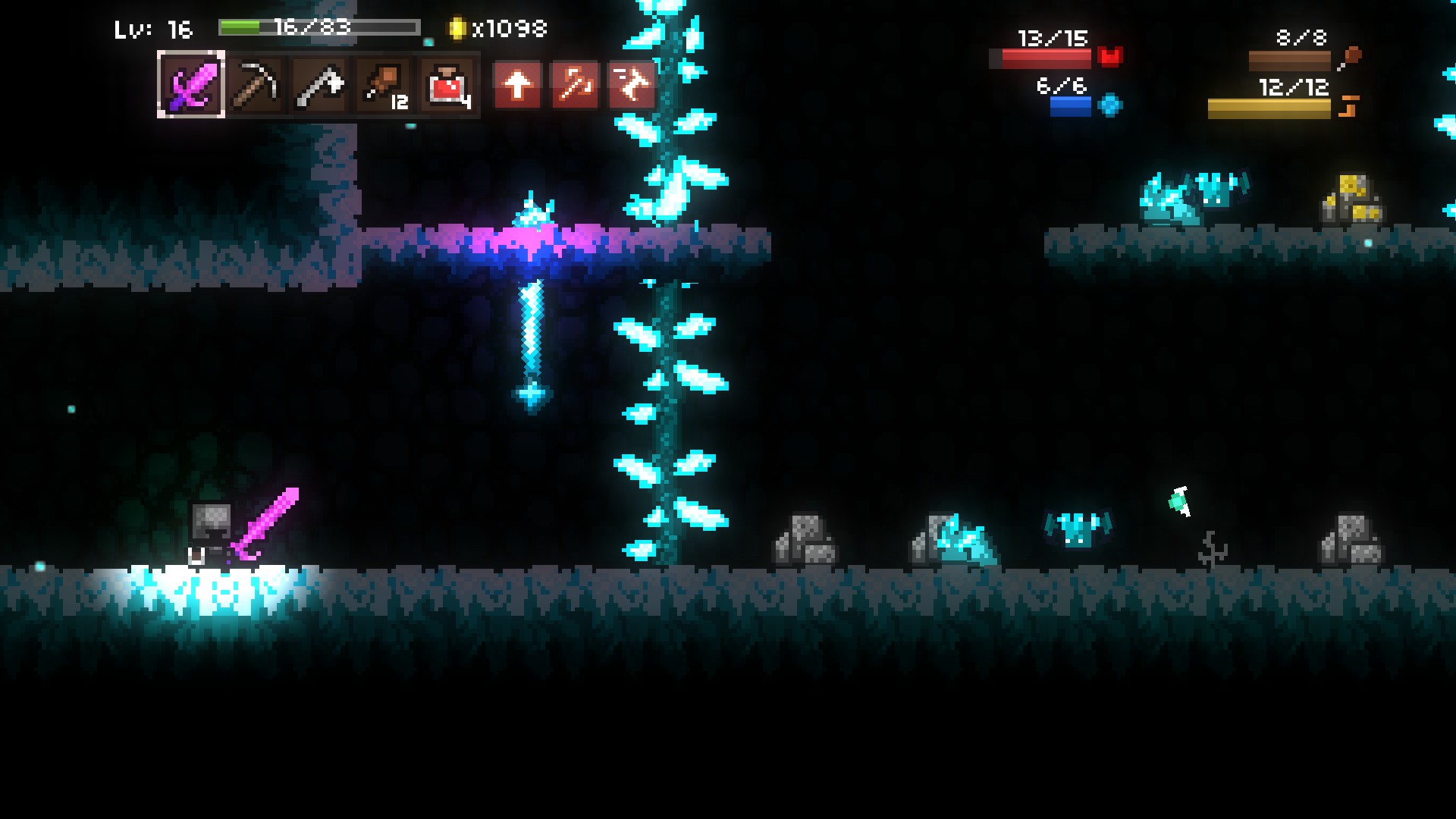
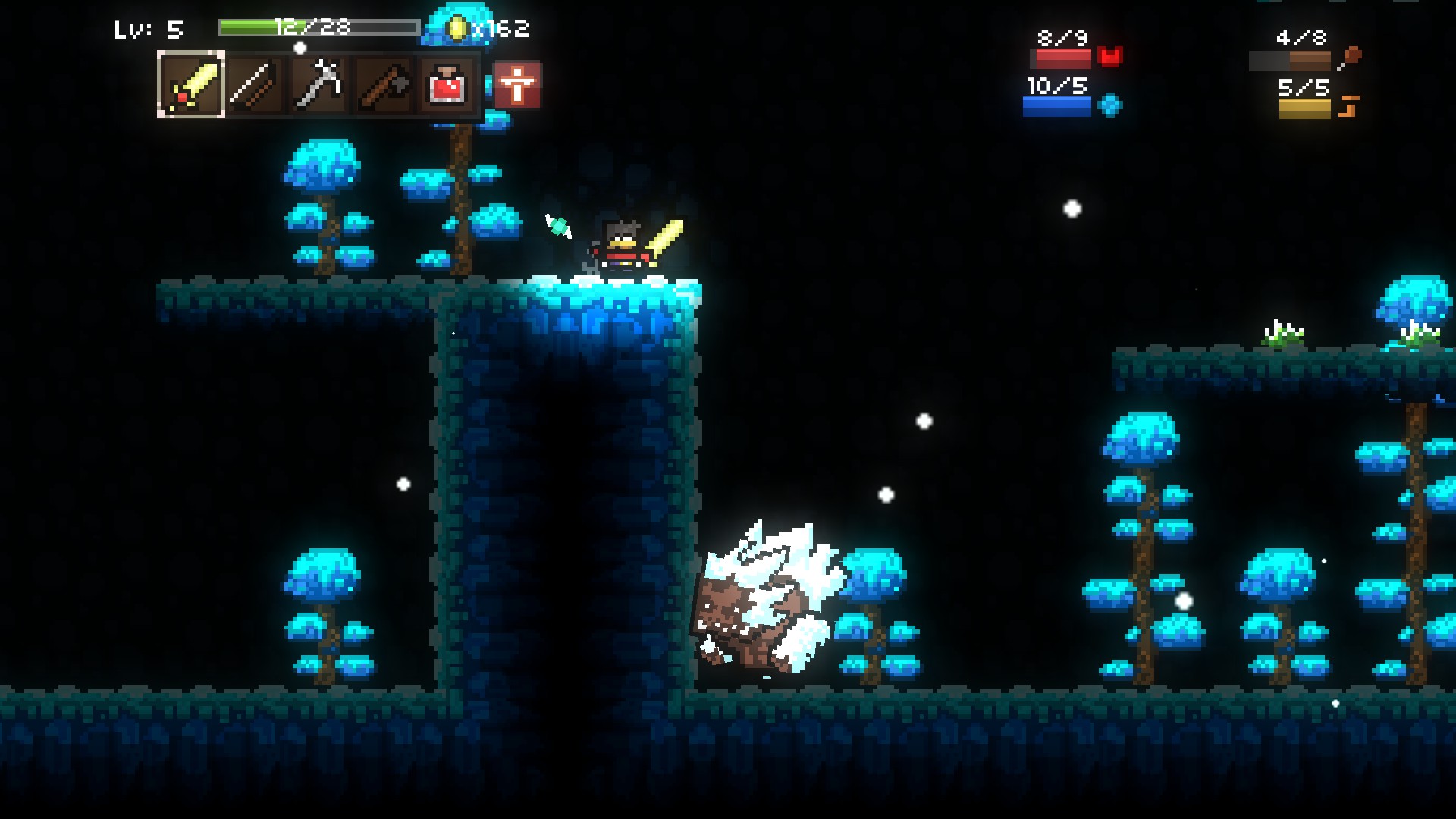
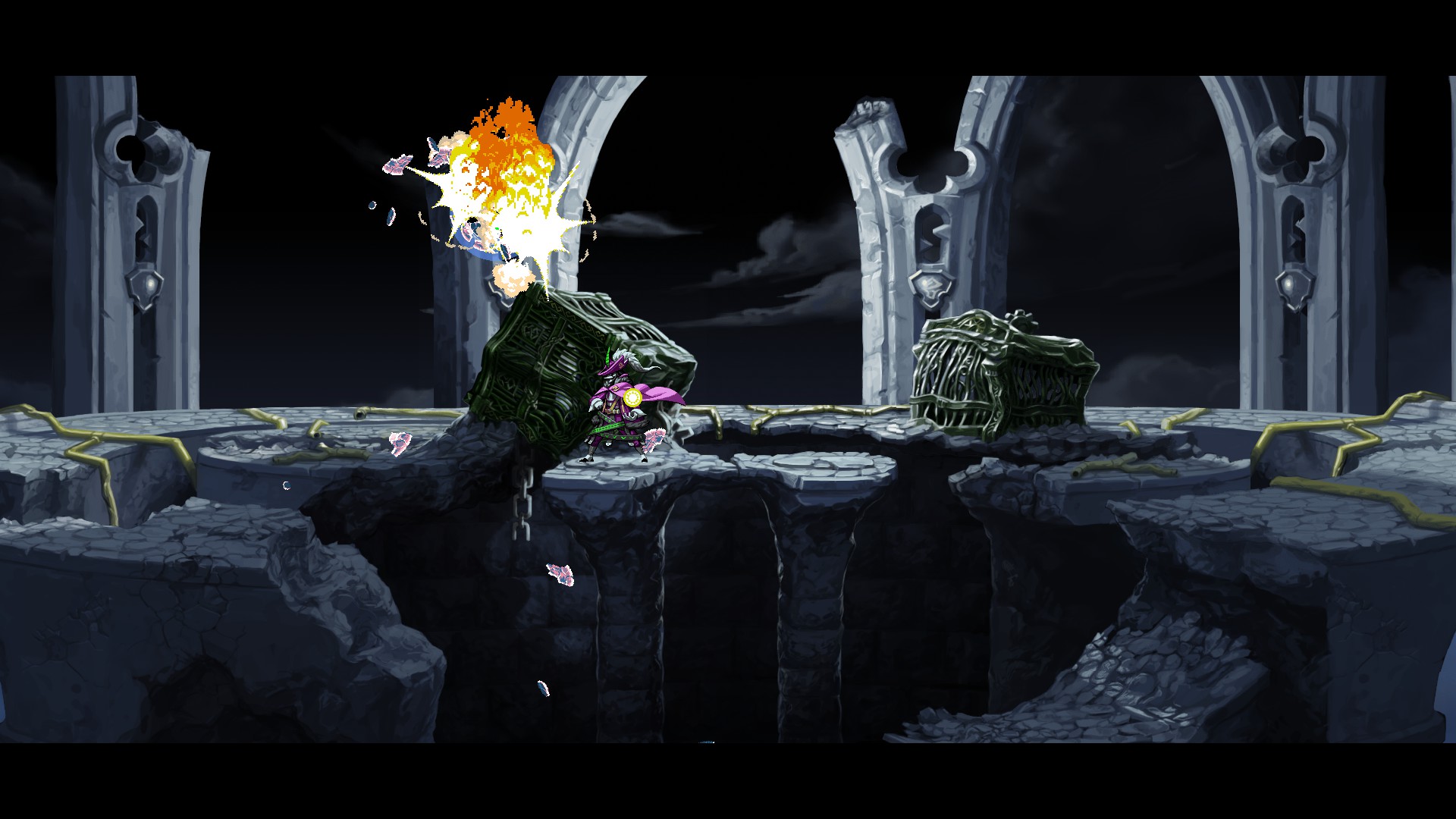
Upon beating Magicite, I experienced the same hollowing feeling that grasps the heart of any gamer upon the completion of a roguelike. It is an emptiness that creeps in and takes over, instilling upon the player the realization that the very thing they had been trying to achieve so hard–completion of the game–was in fact, not what they were enjoying so much. It is the survival in a roguelike that brings joy. It is the unexpected that brings happiness. It is the ability to push yourself and your character a couple inches further into an unyielding world of death and mystery that brings accomplishment. “Winning” a roguelike takes all of this away and simply replaces the experience with a feeling of “been here, done this,” which is by no means the fault of Magicite or any roguelike for that matter, but was nonetheless my feeling at Magicite’s end.


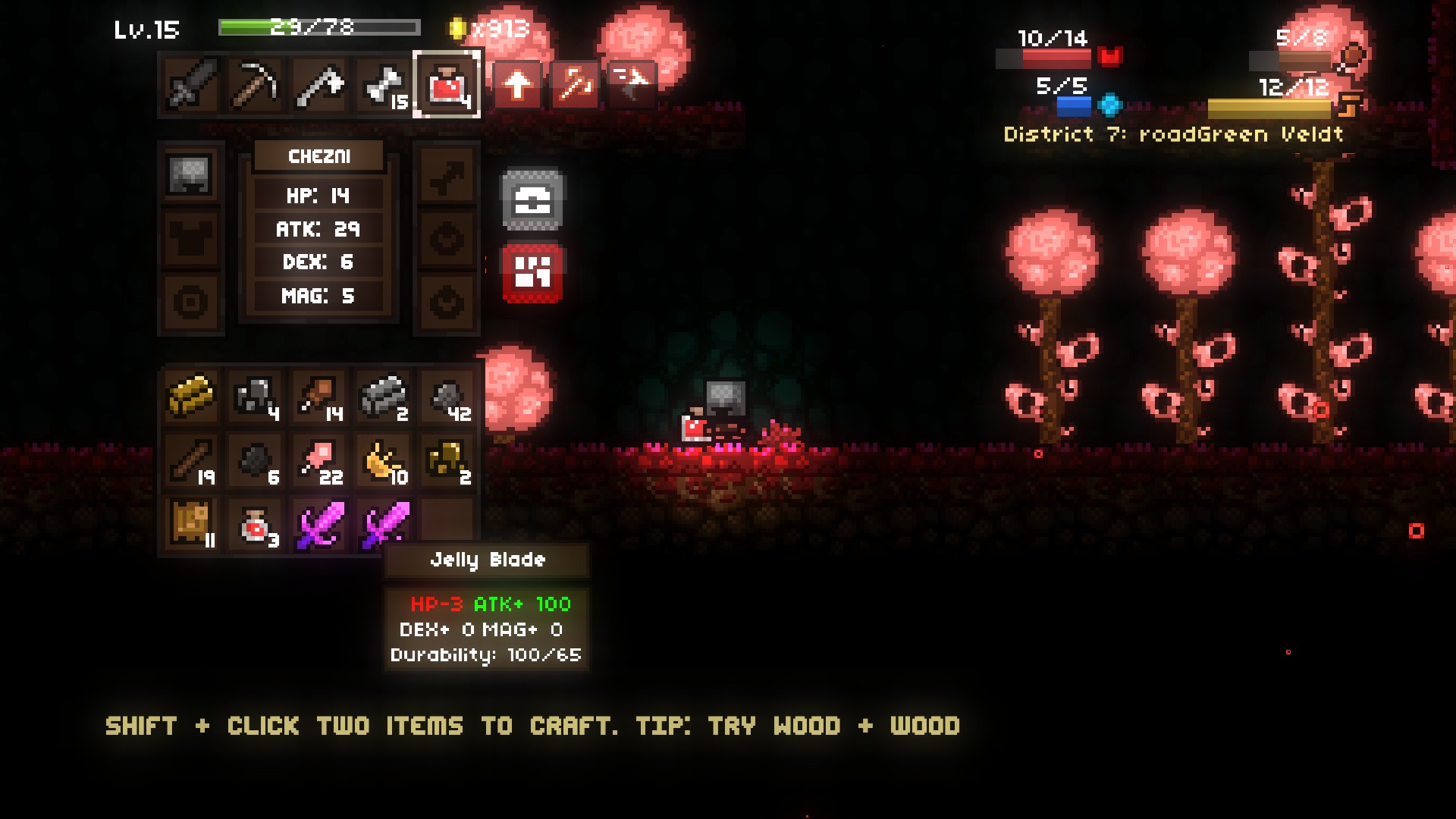
Magicite, unfortunately, will be the first game that I place in a lower Tier after completing the game than when I initially rated it in my first impression. It is still worthy of Tier 2, but as I played the game, a lot of the promised mystery unfolded in a less-than-ideal manner. Mechanical balance of the game became questionable. Class distinction grew less defined. Exploratory cleverness no longer seemed to be rewarded in the face of safe consistency. Probably one of the worst disappointments was the crafting, which seemed to hold so much promise, but in the end fell flat. By the time I wrote my First Impression review, I was under the delusion that I had only scratched the surface of the potential crafting recipes, when in fact I had completely exhausted them save for two of them, resulting in crafting feeling rather pointless and simply as a method of “using stuff to get stuff.”


Do I regret playing Magicite? No, not at all. Until its defeat, it proved to be a fun game that provided many hours of diversion. Until I had overcame its challenge, it was enjoyable to find the ways to press stats, skills and equipment as hard as I could into my favor, ultimately resulting in success. It is just that after a more comprehensive inspection of the game’s elements, questionable balance and underutilized mechanics, it no longer entirely deserves my previous acclaim. If you have some time to kill, I would still recommend it–it just must be understood that the longevity of its value or quality is not assured.

Steam Link


100% Orange Juice

It’s like Mario Party, only with robots, little girls and seagulls. Actually, that may be more like Mario Party than I remember. I’m of course, talking about…


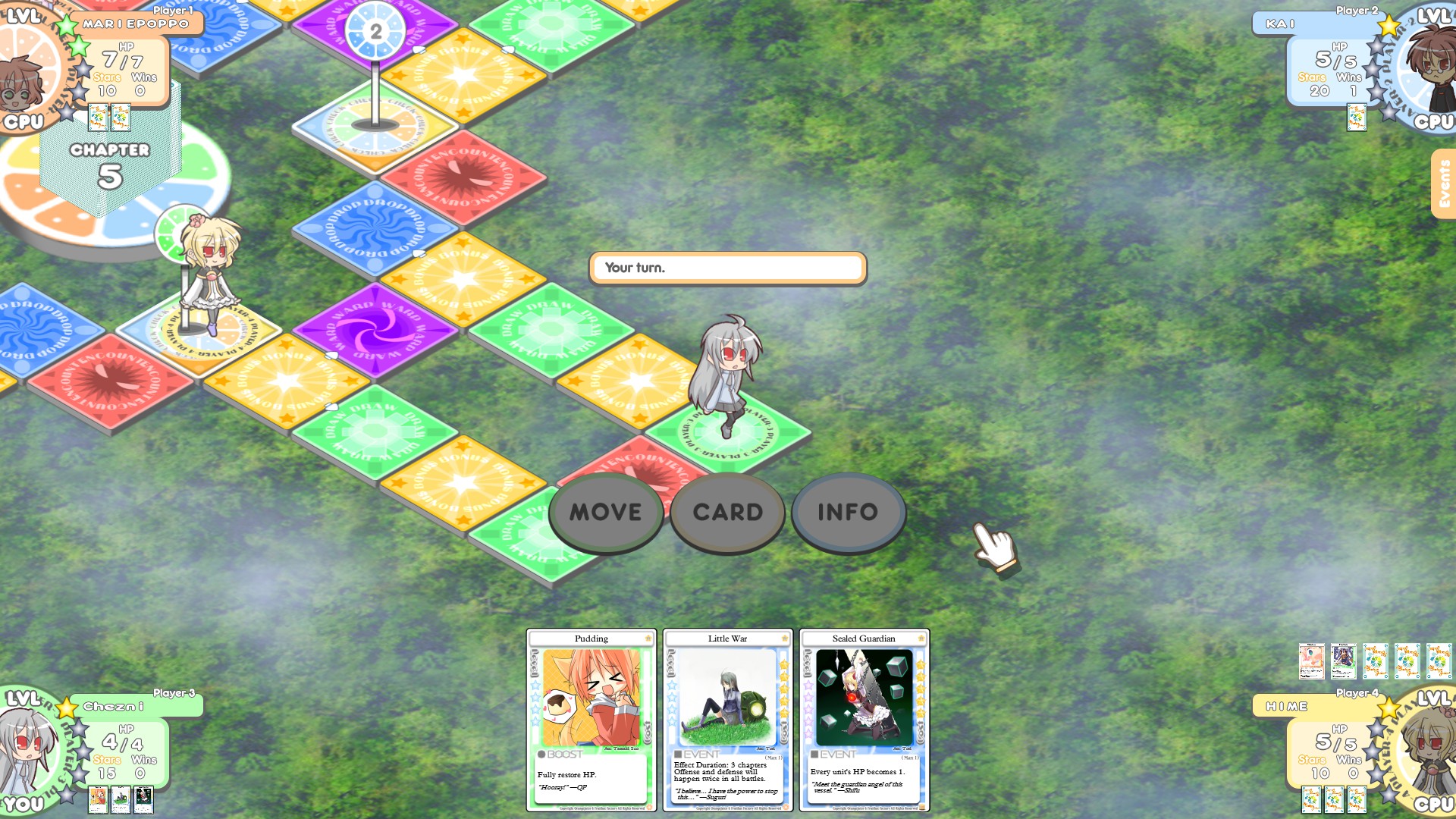
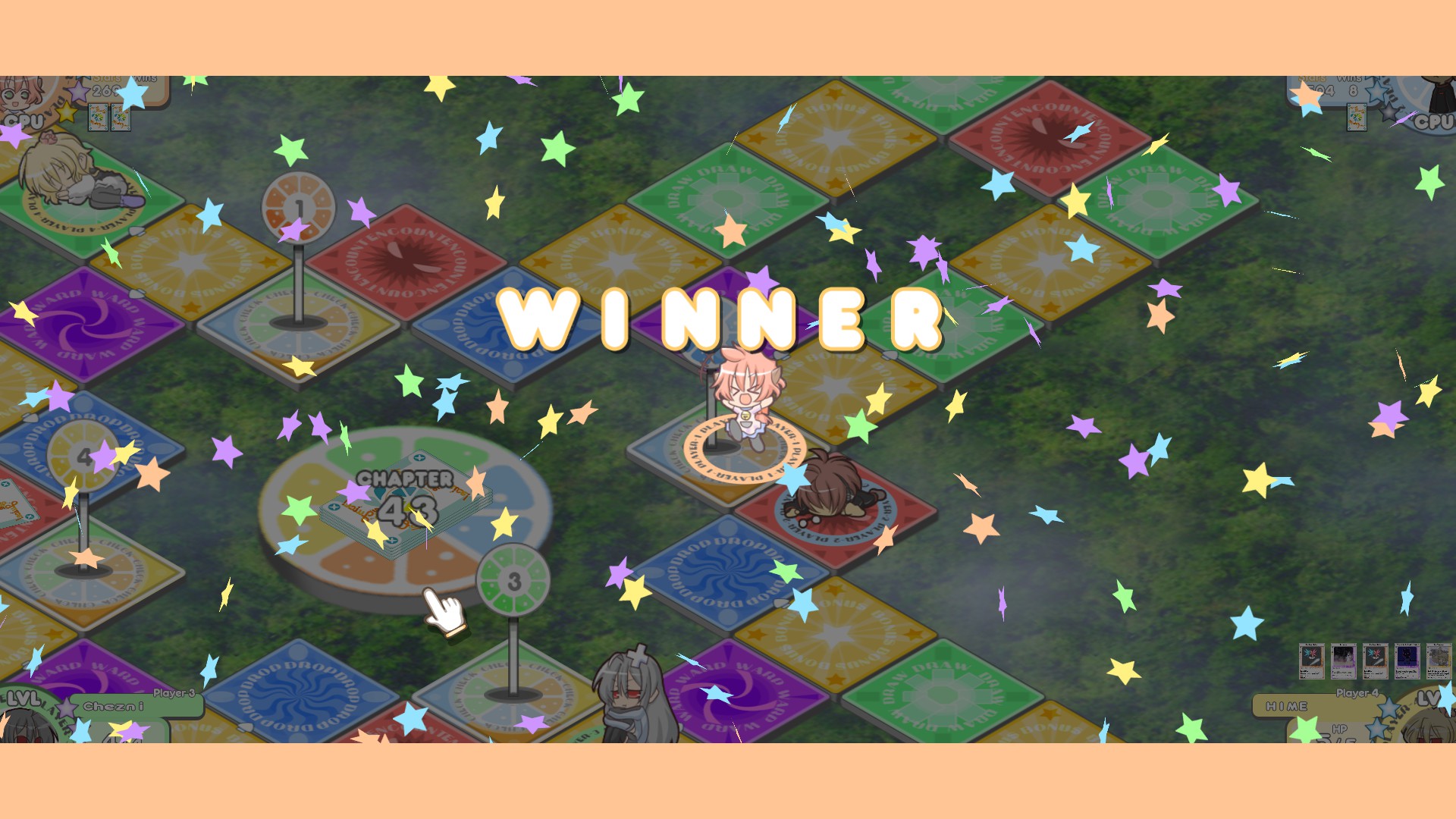
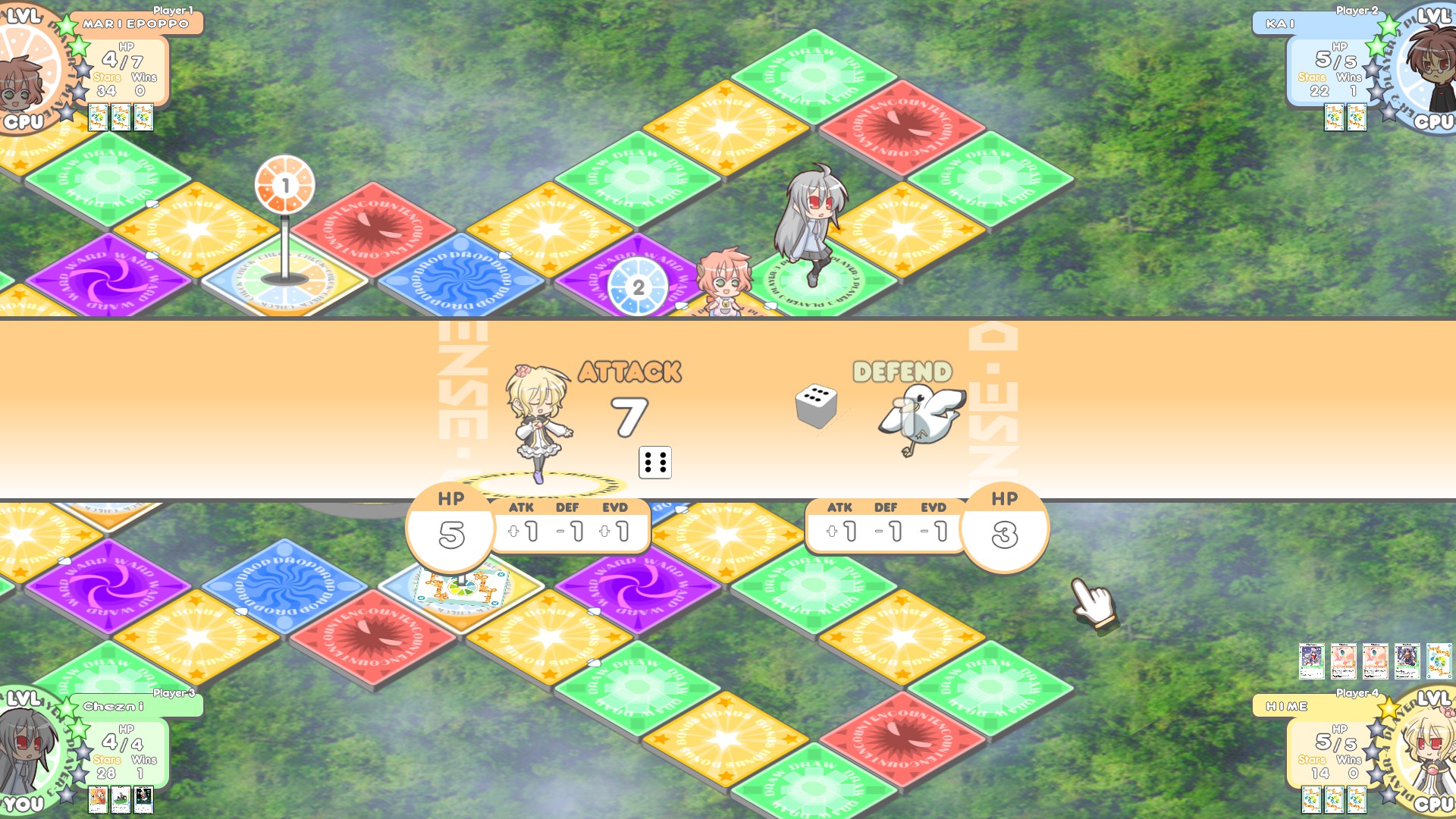
Okay, not gonna lie, I might have met my match here. I like to consider myself a well-seasoned gamer. I’ve survived games that were terrible, games that were incredibly difficult and games that were just plain unfair… but 100% OJ reaches an entirely new level. Of insanity. Complete and utter insanity. And little girls that steal things. The closest thing I can compare it to is Mario Party, but even that doesn’t do it justice. Sure, similar to our lovable Italian’s favorite party game, 100% OJ is played on a board, you roll dice, you gain a currency for committing acts of felony, and it is undoubtedly the place where friendships go to die (if I had any friends to play this with me). Unlike Mario Party though, there are no mini-games after each round, there is a pseudo RPG-combat system, you can murder people, and play cards as if it was one of the crazy half-baked games a villainous henchman invented in an episode of Yugioh. I would say that these things make it the Japanese version of Mario Party except… yeah… the old plumber is already Japanese.


In regards to about half the things happening in the game, I have no ability to explain them. I chose a character that I liked, partially based on the fact that I thought she seemed cool and partially because she looked about as clueless as I was, which comforted me somehow. I think the goal of the game was to achieve five “Normas” which come in the form of two kinds of quests–murder stuff or get stuff (stars). Along the way, a little dog girl kept stealing money from the only boy on the board. I kept drawing cards that had neat pictures, but for some reason was never allowed to use any of them. To this day, my inability to play anything I drew haunts me. At some point a giant boss robot appeared and murdered everyone. Then the boy who’s wallet was stolen punched me out. It was around chapter (round) 40 that I was convinced the game was a satirical commentary about Marxism and how it connected with the social injustices concerning the youth of modern day Japan. I’m not entirely convinced that I’m wrong.


Eventually the dog-girl won. Apparently, most of my opponents were as clueless as I was, considering that I somehow got second place. In the end, I’m not convinced that this is a bad game. There’s clearly a large selection of wacky effects and strategies that can be implemented through use of the game’s numerous cards. If you’re willing to shell out a bit for the DLC, there are quite a few characters. A quick flip through the game’s community artwork will show you that there’s clearly a large group of people who embrace the game’s wild chance, zaniness, and ridiculous combination of adorable sinister-like qualities. There’s online play for those who want to be social, and even a rather wide selection of things you can unlock.


If I was younger, had more time and/or had a group of friends to play this game with, I think I would enjoy it quite a bit more. As it stands that I have none of these things, I am willing to take a step back and recognize that it may simply not be something I can get into. I love the art, humor and considering the somewhat stale nature of Mario games as of late, this game could be a great way to fill the niche of those who have fond memories of the old Mario Party games. For now though, I place it in Tier 2, putting it gently in a corner of the closet, praying that we leave each other on good terms–an attempt to respectfully avoid bending my mind around its madness any longer.

Steam Link

Legionwood 2: Rise of the Eternal’s Realm

The number of RPG Maker games with “2” in the title that I’m reviewing is beginning to concern me. This time it’s…


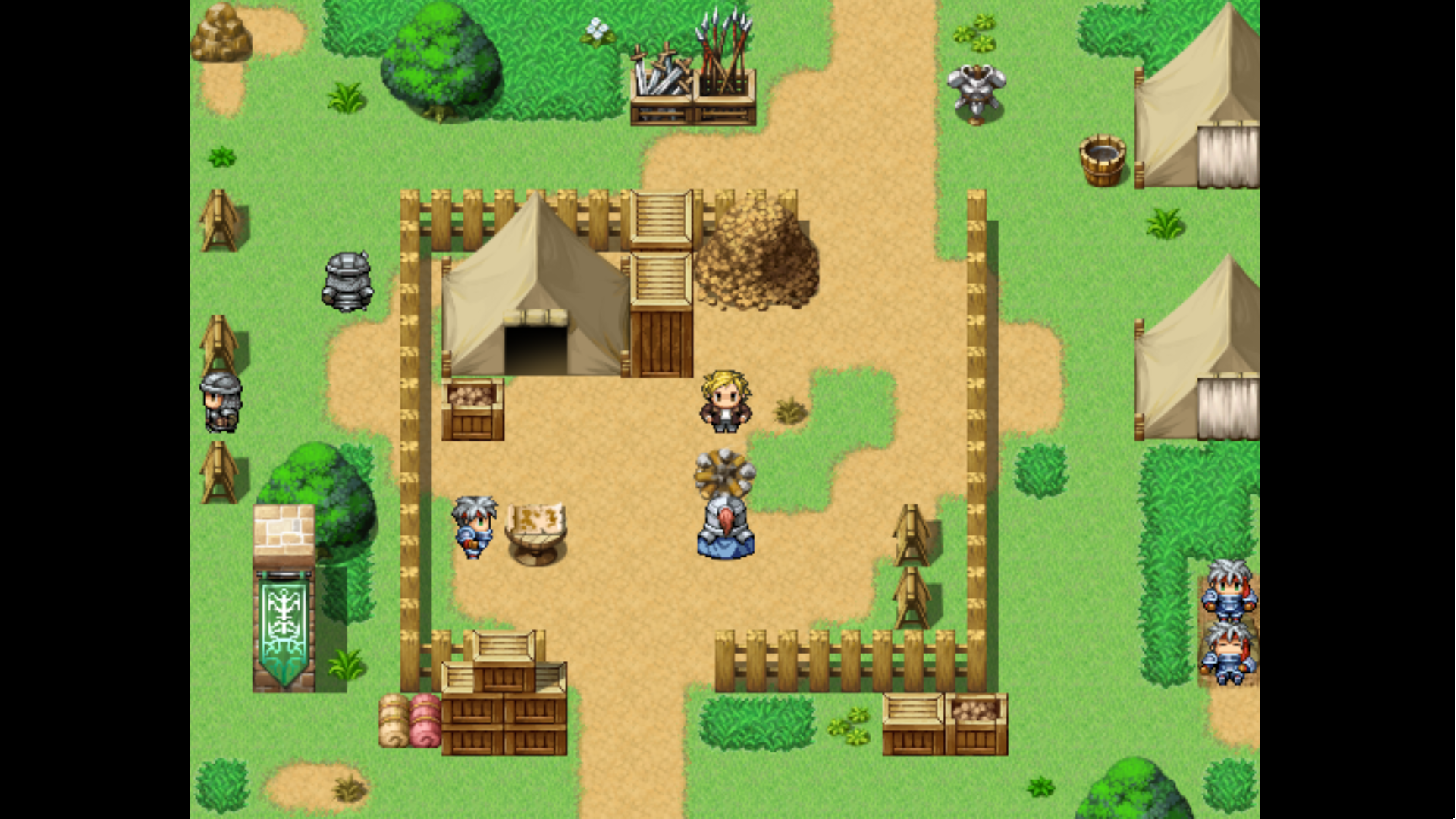
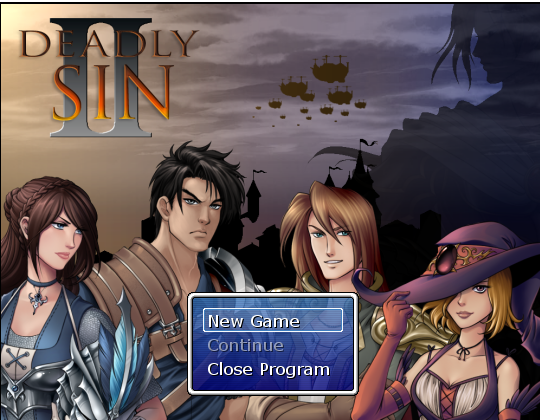
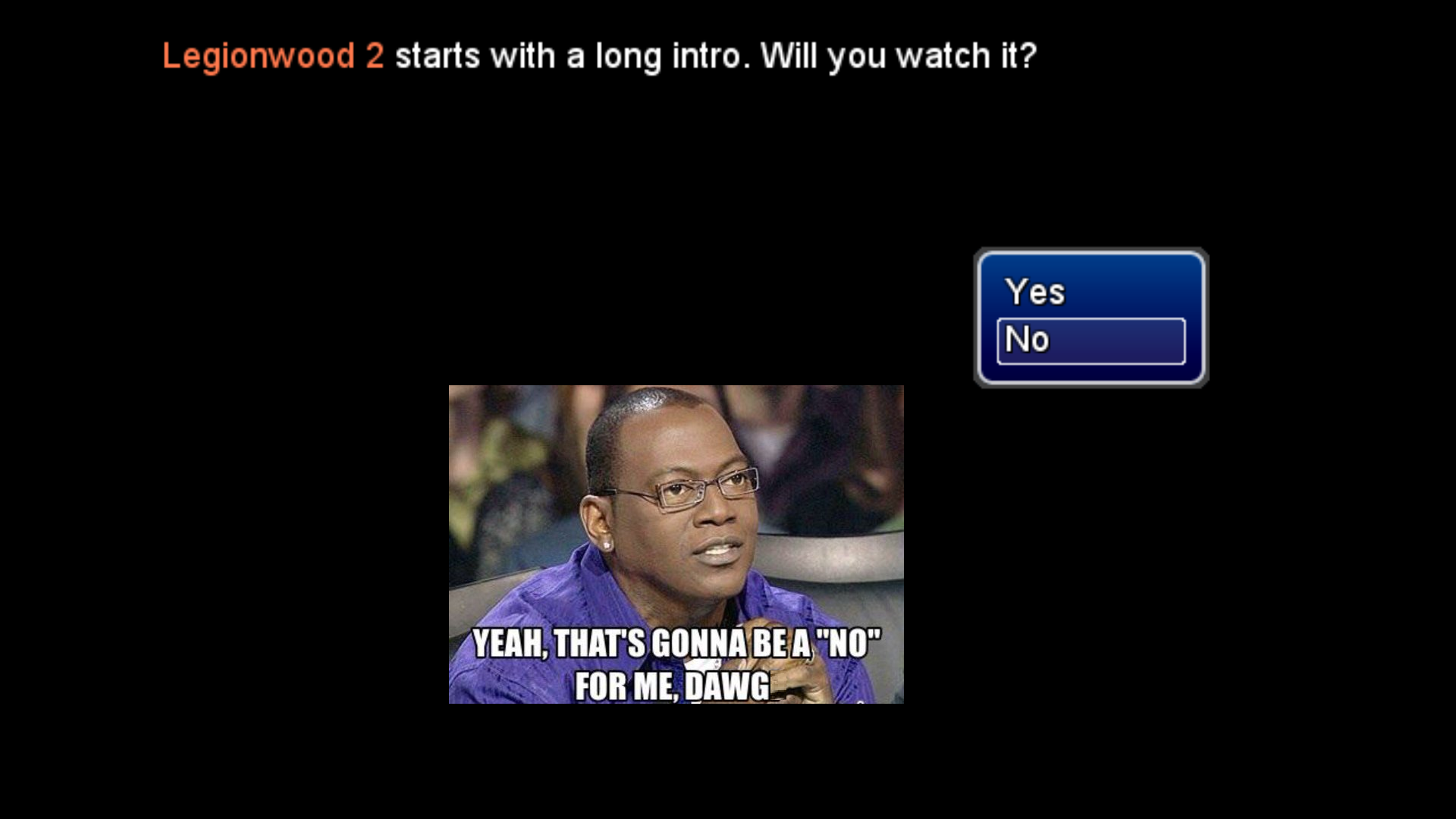
Unlike Deadly Sin 2 Legionwood 2 is pretty damn-well made. Whereas Deadly Sin focused on unique visual assets and dropped the ball on design, Legionwood’s game design is great. The pacing is far better, the mechanics are much more exciting and the overall design of the game feels way better built. To be honest, I was a little worried at first when “GAIA STUDIOS” sat on my screen during the introduction for what felt like an eternity, followed by an equally dull and lingering “LEGIONWOOD2.” As it turns out though, the dev studio had a pretty good grasp on the fact that a lot of people aren’t going to be interested in something moving as slow as molasses, especially before they have any context for what the game is about. I greatly appreciated that they offered a clean out for people like me as shown in the bottom pic.


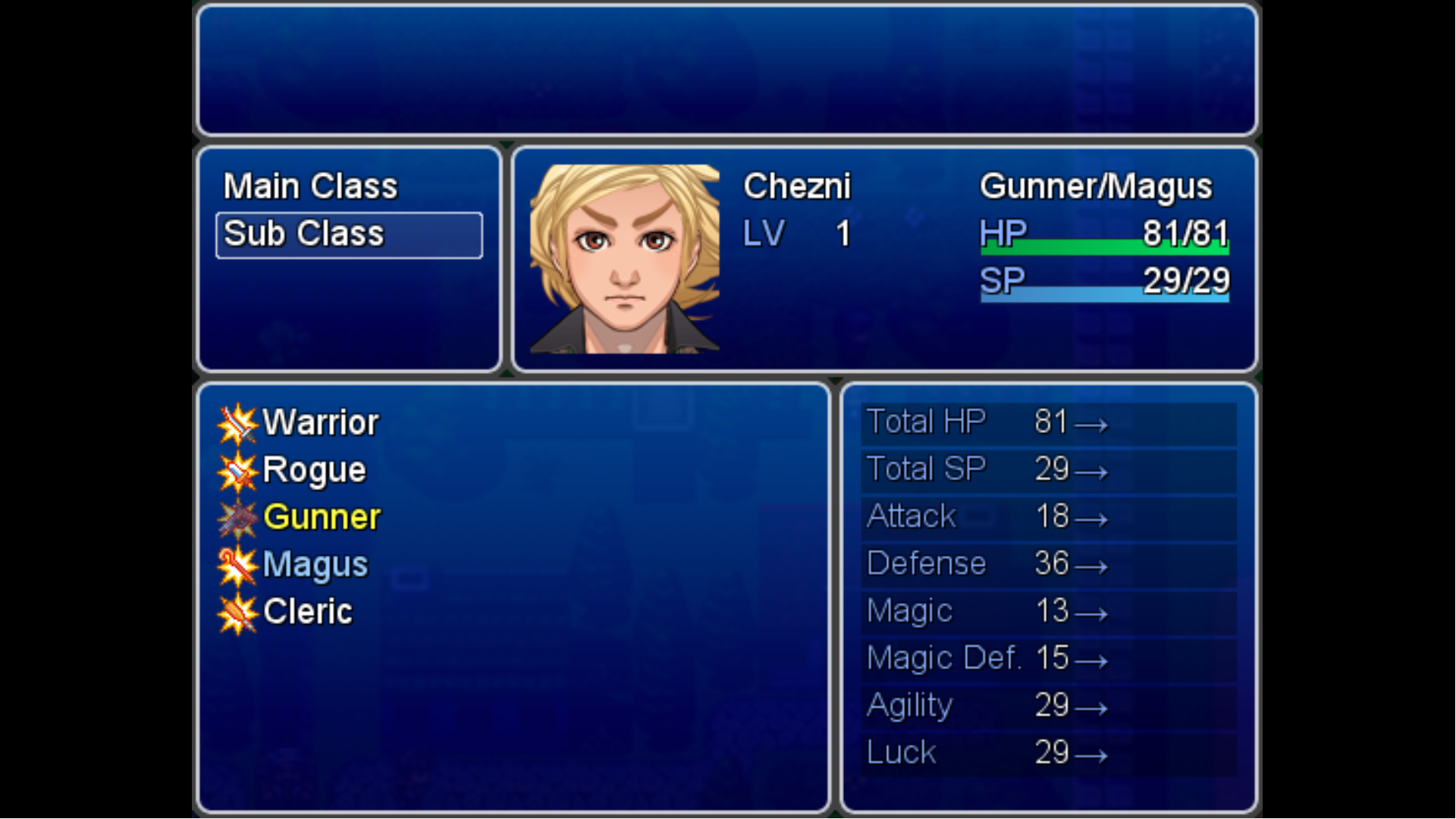
Hey, it might seem silly, but at least they were open about it and didn’t make me feel like I had to sit through 10 minutes of boring crap I don’t care about yet. Mechanically, it’s roughly your standard take-turn combat system with a “wait” ATB system. In other words, if your characters have a higher agility, overall they’ll take more turns than their opponents but you have as much time as you want to choose your character’s actions. What really struck gold for me though was the ability to freely select and change not just one class, but two classes for your characters. It didn’t take me long to set myself up as a Gun-Mage which made pleased me probably more than it should have. (Just saying the word “Gun Mage” makes me feel awesome for some reason.) Apparently, if the NPC I talked to is to be trusted, there are many other classes that you’ll get as you play the game, which gave me a great tug to keep playing to not only discover them but also the wacky combinations I could set my party up as. In addition to classes, there’s even a morality rating that sets the party down the “good” or “bad” path which changes certain events within the story. True, it’s binary, but it’s a lot more than most tileset RPGs give you.


A majority of Legionwood 2’s assets are taken straight from RPG Maker but given how well they are used in combination with the believably written dialogue, characters that are at least trying to be distinct from one another, decent music and aforementioned design, this game nets a high Tier 2 for me. It’s definitely something I want to check back into after I’ve cleared out my Tier 1’s–it might be the best RPG Maker game that I’ve seen yet.

Steam Link


Savant – Ascent (Completed)

DUB THE WUB. Don’t blink or your might miss it, it’s Savant – Ascent!


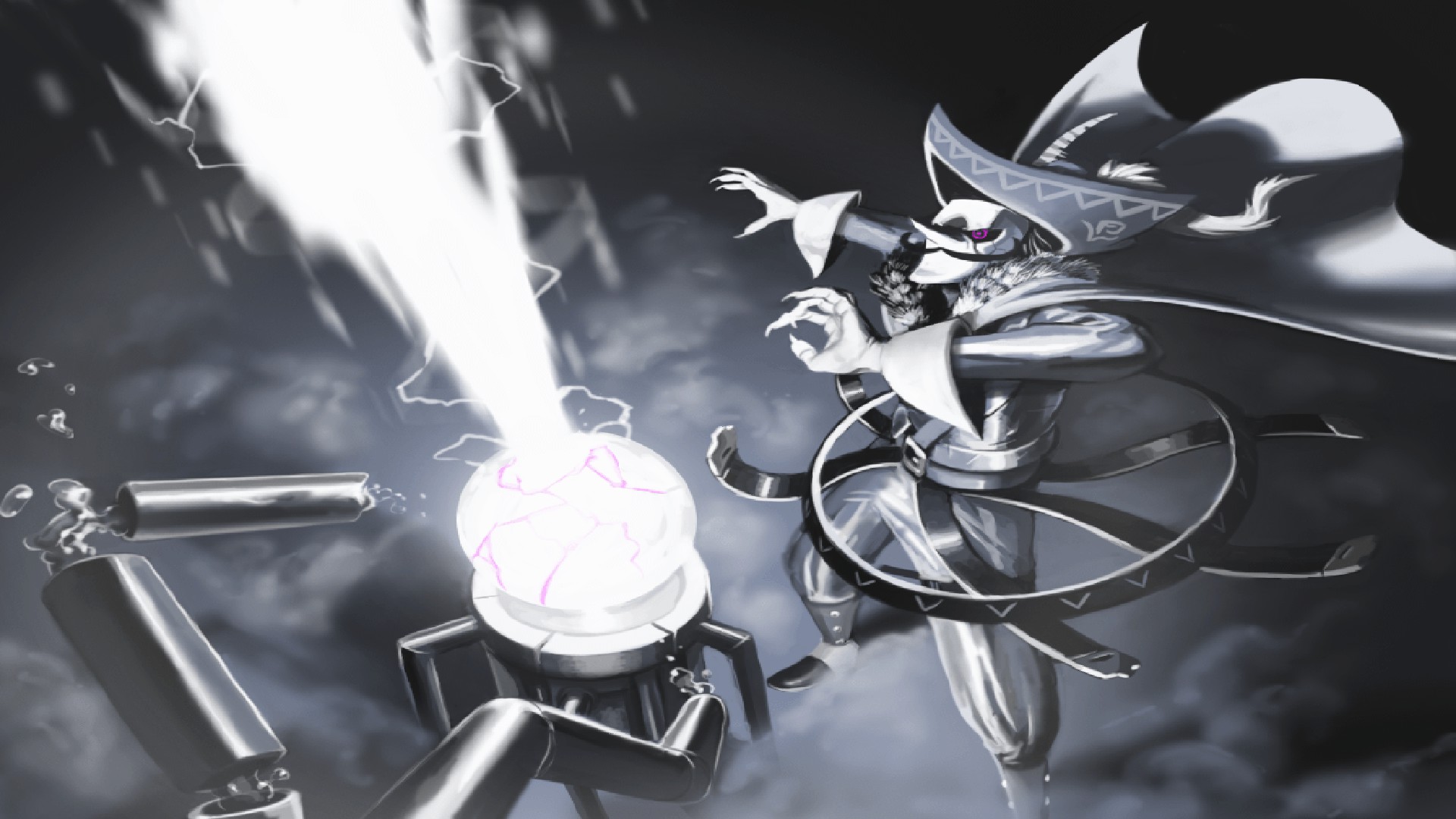
Savant – Ascent is a rockin’ game that comes out of the gate swinging. You play the role of a V for Vendetta cosplayer (the Savant?) who gets blown out of his wizard’s tower after some kind of magical sphere goes haywire. The Savant wastes no time bursting right back into his tower, fights his way up a crazy elevator ride and destroys the magical orb and the evil glitch Vario that is possessing it. That’s it–the game ends. No, I’m not kidding. Even as a beginner, it’ll take you about 30 minutes to play from start to finish. So you might be wondering, “Chezni, why on Earth did you put this in Tier 1?” Well, truly I have spent $2 and 30 minutes of my life doing much less valuable things and for those 30 minutes you feel like a badass. So just what do you get for those 30 minutes?


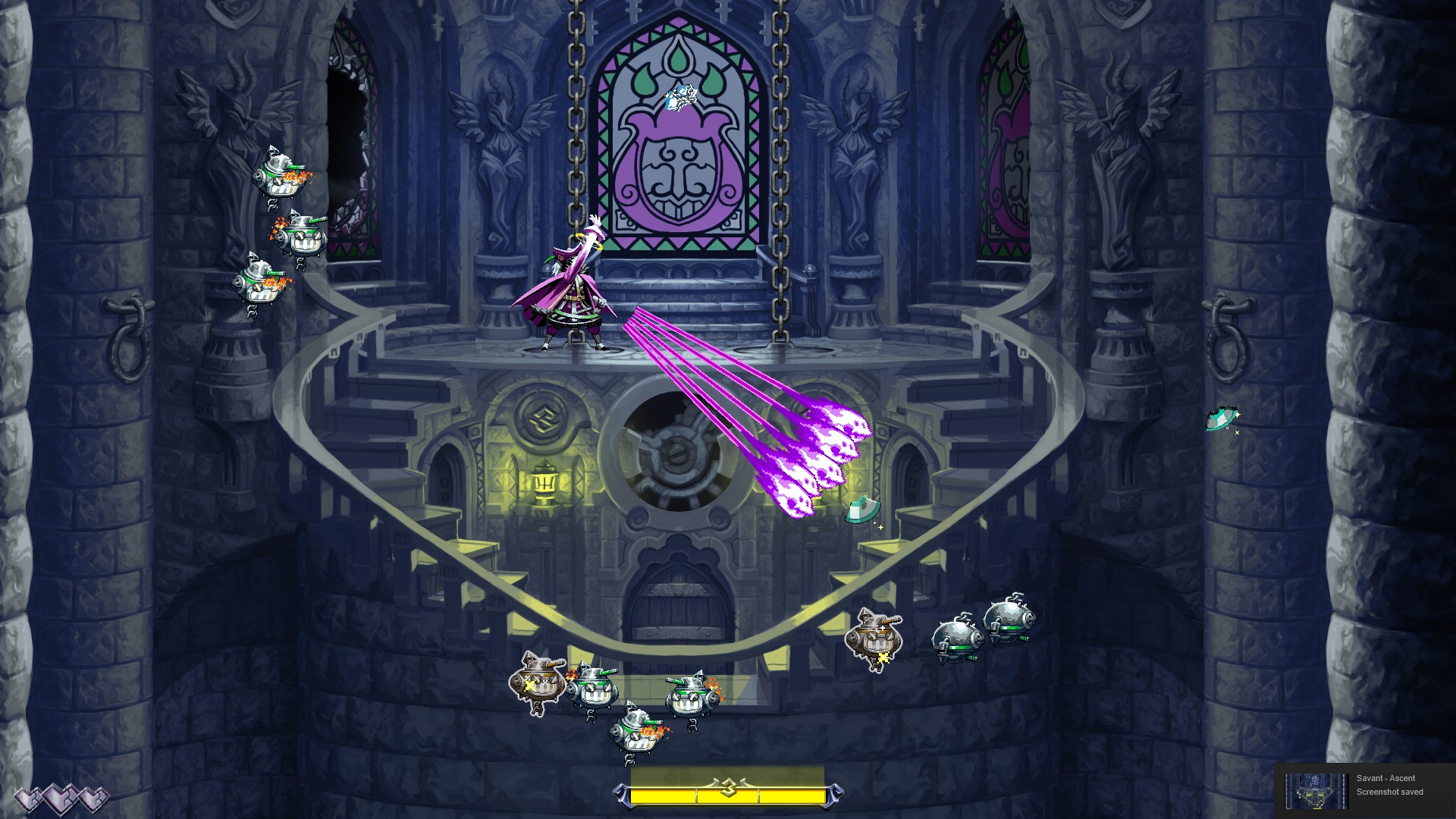
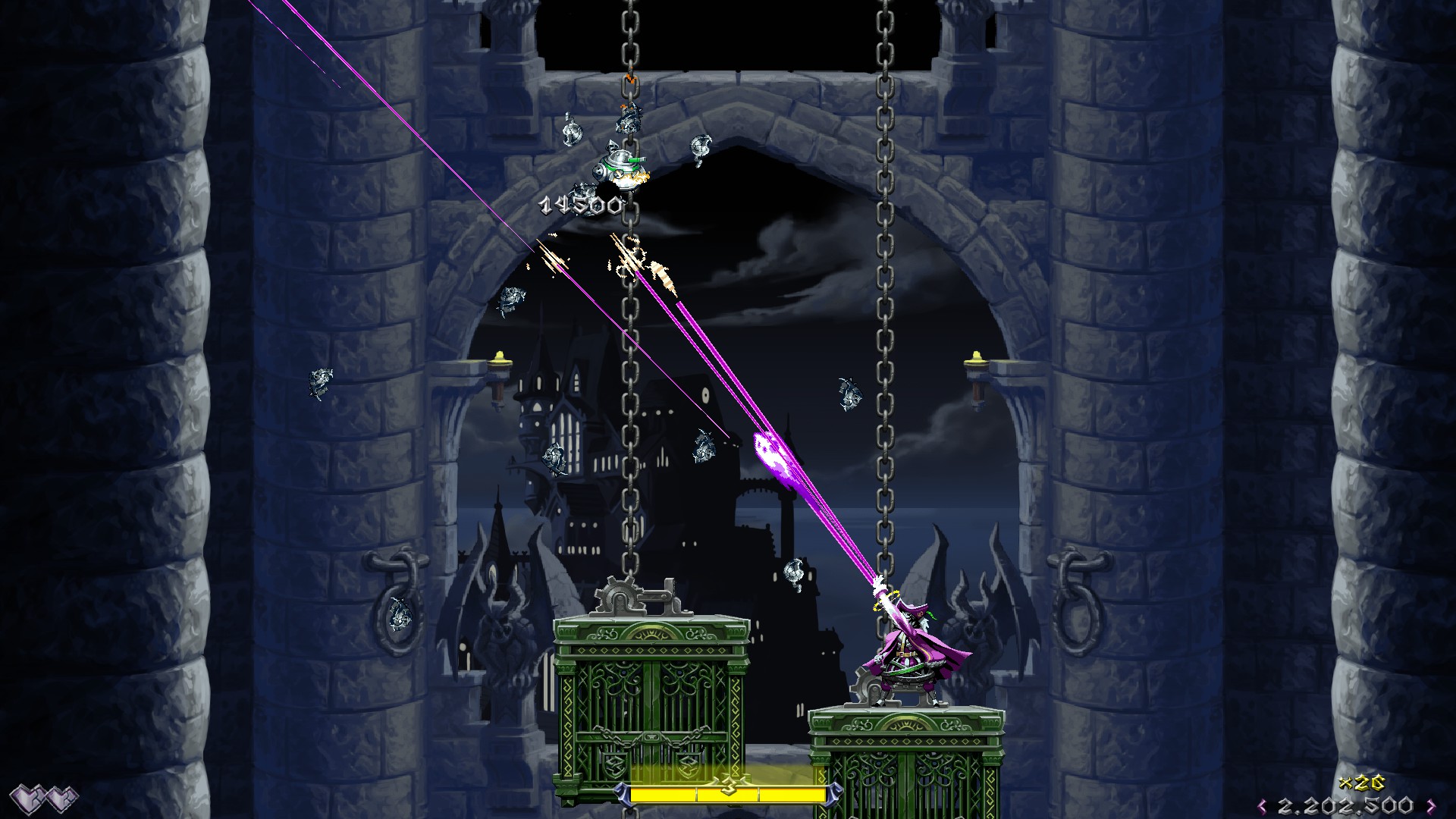
Combat in the game involves blasting incoming enemies in a radius around you, using the analog stick (or mouse). Special enemies drop pieces of a CD which grant momentary invulnerability when you pick them up. You can hop between one of two sections on each level to avoid attacks and death is met with the acquisition of new powerups and songs in the form of completed CDs that you’ve picked up and yes, the music is primarily dubstep. It’s not the most amazing dubstep that I’ve ever heard (I tend to listen to it more than a person of my age and standing probably should) but I must admit that it’s the first time I’ve played a game that used it as its primary soundtrack and it was pretty fun to rock out to it while blasting some drones away.


The drones themselves spill in perfectly–first you get the common quarter notes (ones that move every beat) but then you get the more durable half-notes. I was disappointed that this is where the music-synced baddies stopped since it really made the game feel cohesive to see them moving in beat, but there are only 4 enemy types in the game. Aside from the music though, the graphics are quick and crisp and fun to look at.


True, there’s an endless mode, a time attack mode a Vario mode–but really, there’s no need to play the game after you beat it. You’ve already seen everything by then and it’s just a rehash of what was already extremely light content. I think if I were to find an apt comparison, this game is like the chocolate mint on your pillow at a hotel. No, not wholesome, lasting or even that impressionable in any way but you’re still going to eat it. It’s a freaking chocolate mint, how can you resist it? Admittedly if you don’t like to dub the wub (or if you don’t like chocolate mints if you’re stuck in the metaphor) then you probably won’t like this game. Otherwise, I fully recommend just trying this out for a bit–it really won’t take you that long either way.

Steam Link


Deadly Sin 2

There’s a difference between a game that is needed to satisfy an idea, and an idea that is made to satisfy the need for a game. Deadly Sin 2, is the latter.


It’s always a bit hard to critique a RPG Maker game. My gut impulse is to reject the game as being a recycled collection of frankensprites, visual effects and coded plugins scavenged from the deepest ends of the internet. This opinion is not entirely non-subjective either, as many poorly made RPG Maker games that I’ve played fit this bill. In the spirit of fairness however, I always try to remind myself that reused assets and codes should not stop me from discovering a game that might really enjoy. Even with this mindset I can say that Deadly Sin 2 isn’t worth playing.


You can forgive a lot from an indie game, but there has to something–some spark or unique shine–that makes pushing past the game’s roughness worth it. The problem is that Deadly Sin 2 just doesn’t have anything like that. The opening is generic, the party members are super generic, quests are generic, story is unbearably generic–on top of being made up of a mishmash of sprites and tilesets. Now, I do feel a tad bad saying this because there are some parts of the game that are worth pointing out as being moderately decent. For instance:


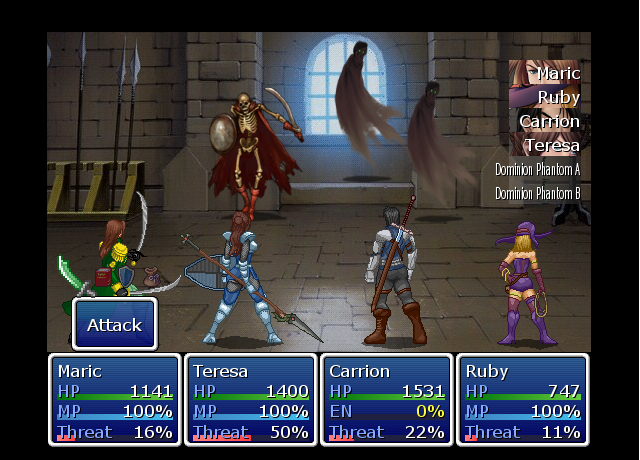
All your characters in combat are animated with some pretty sweet pixel-work. They ready their weapons and attack, or do a special animation for their skills or magic. It’s tight, looks nice and flows really well–and is completely unique to this game. The combat is a little more advanced than your typical take-turn combat as well, with the addition of a threat mechanic which influnces who an enemy will attack. I also appreciate the way that you can increase character’s skills through the use of skill points that you find throughout the world. It’s nice to have customization over your characters and reading up on the skills is fun.


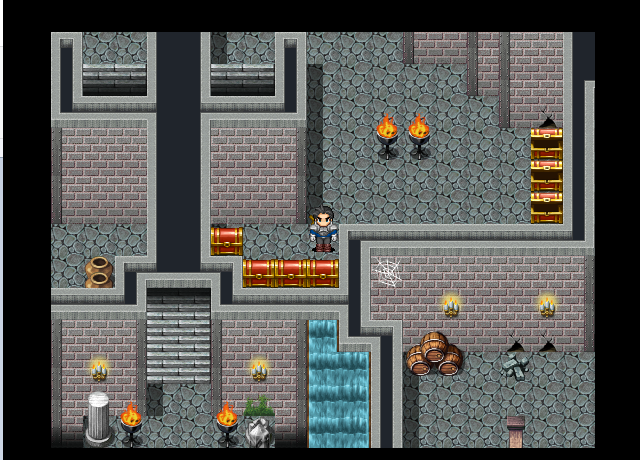
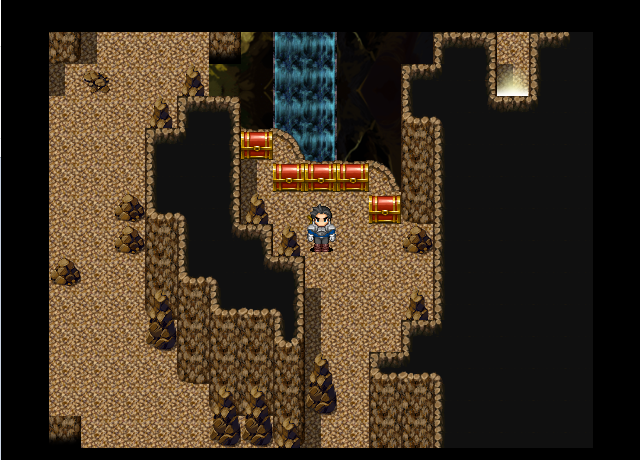
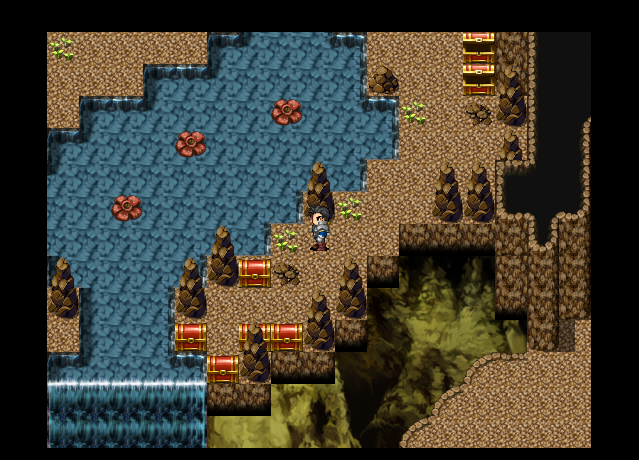
These things alone though aren’t strong enough to create anything worth trying. The Threat mechanic is nice but isn’t that profound. The animations are nice, but since the combat is weak, they’re just something flashy and distracting instead of being the icing on the cake. Combat feels imbalanced in more ways than just the stats themselves (although that is part of the issue)–the pacing feels wrong. Having access to all the skills right off the bat leaves little to work towards. Enemies feel random and aren’t really introduced in a way that allows the player to understand the world that they exist in–the monsters don’t tell a story or fit in, they’re just “there.” Treasure is littered everywhere, making its discovery a chore instead of something exciting. Seriously; after the game’s introduction, I played about 10 minutes and found this…

This…


And this…


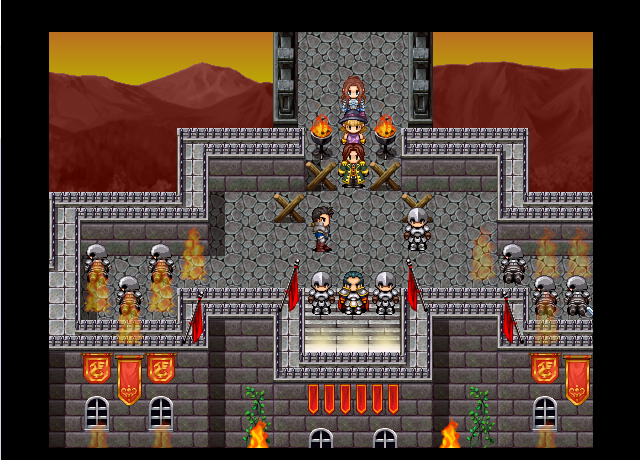
And that’s not even all of them. When there’s treasure everywhere, it’s stops being treasure and just becomes junk. Add to this that I’m not being facetious when I say that everything about the world, story and characters are so uninspiring. The mage in the party refers to enemies as “scrubs.” “Scrub” is a word that was invented by the online gaming community somewhat recently to refer to someone is is of a “lower tier” than them. A “scrub” is someone of such a lower skill level than you, that they aren’t worth your time. To hear one of my party members uses this word breaks all immersion of what I assume is supposed to be a high fantasy world. Add to this that the two “main character’s” introductions both generically involve their sweethearts, both look like generic warriors, both have no personality whatsoever, the hero’s castle at the beginning is burned down, there’s some vague and super boring political “intrigue” involving invading kingdoms and political tension that after a short-while I was ready to quietly pack this one away for good. I wasn’t really insulted by this one, but it still belongs in Tier 3, since I would never recommend it to anyone.

Steam Link

BIT.TRIP RUNNER and Perfection in Video Games

Perfection is a tricky thing in video games, and perfection is what BIT.TRIP RUNNER (or, BTR) demands of you.  The best way I can describe this is by saying that BTR feels like an arcade machine; but it feels like an arcade machine that was designed to eat your quarters rather than to be fun (even though there are no lives and no Game Over-s).  It attracts you with colorful lights and interesting sounds tied together by a well-thought-out pixel art aesthetic.  There is a simple control scheme – press space bar to jump and use the arrow keys to execute maneuvers while the screen scrolls ever forward toward the finish line.  It seems straightforward and quite possibly fun.

The problem arises that in BTR, any failure means restarting the level.  The levels are short enough that this isn’t an immediate problem, but as the difficulty ramps, you find yourself playing the exact same parts of levels for 90% of your time to try the tough bits 10% of the time.  This just becomes grinding, since the levels require the exact same set of inputs to get to the point where you failed before.  Aside: there are technically alternate paths for brief sections, but those alternate routes give you no advantage so there is no reason to memorize them.

To figure out why this is a problem, I’d like to talk about perfection for a bit.

Perfection

Let me be up front: I think games that demand constant perfection are taking shortcuts to difficulty and are generally not worth my time.  Take Dark Souls or Legend of Grimrock II, for example.  Dark Souls does not require perfection.  It asks for excellence and an understanding of the rules, but it lets you make mistakes, and few mistakes (well, except in Blighttown) are immediately fatal.  I think this design philosophy becomes clear when, in the progression from the Dark Souls I to III, you’ll die less frequently from stun-lock.  In LoG, the only time you’ll really find yourself in a place that means almost certain death is if you let two tough enemies get on either side of you.

This is not to say that having segments that require perfection is bad or that rewarding perfection would be bad.  Guitar Hero (or my favored knock-off, Super Crazy Guitar Maniac Deluxe 4) is difficult and complex enough that perfection is a worthy goal, but you aren’t required to be immediately perfect.  Beyond that, perfection in the context of music makes sense (and the problems of requiring perfection in music is even the subject of a movie).  In other sorts of games, a segment that requires perfection can be a way to increase tension, as long as it isn’t extensive or represent a fundamental change to the game mechanics (like QTEs).  Speedrunning a game perfectly can show an incredible mastery, but it shouldn’t be the only way to beat a game.

The trouble only arises when perfection is your only path to progress or when using an unfamiliar set of mechanics.  I’ve tried figuring this out with Chezni, and the best thing we came up with was this: perfection is not human.  Failure is a part of learning and growth, and requiring perfection eliminates the possibility of learning anything valuable from a mistake.  This view ties back in to BTR nicely: when I play perfection games, it makes me feel like I should just write a script to beat the game for me.  There is an exact set of inputs that I must enter to progress, and no other set will lead to success – so why should I bother if I have no meaningful input?  (Aside: this is also the reason I stopped playing Klondike: it’s only winnable 80% of the time and even a perfect algorithm can’t save you)  If I watched a YouTube Let’s Play, I would see the exact same thing as if I had played it.  The obvious exception here is that in puzzle games, it’s a challenge that I would have to solve before I could tell a computer to do it – which is the very growth that other such games lack.

Back to BIT.TRIP RUNNER

I couldn’t find any place to put this, but I thought it important to include: the audio cues in BTR take place as the event happens, rather than when you need to hit the button.  In other words, the audio for the rhythm game doesn’t actually help you.  As you may imagine, this becomes quickly frustrating as the screen fills with sprites and makes it hard to tell precisely when you should jump.

The entire challenge in BTR lies in learning the mechanics and then implementing them.  There’s no motivation to do so – you’re learning the mechanics so you can learn more mechanics.  You’re implementing the mechanics so you can implement the mechanics.  In Tetris you’re seeing how far you can get and trying to beat the top score.  In SCGMD4, you want some participation in some good music.  In an RPG you want to hear more of the story.  But in BTR, the exact same game has been played in the exact same way hundreds of times and all you’re doing is retreading the same path as everyone before you.  BTR functions and has a good aesthetic which saves it from Tier Four, but it is firmly in Tier Three for its constant, unyielding requirement of perfection.

Steam link

Chrono Trigger (Completed)

It’s Tier One.  I mean, it’s widely accepted that it’s the best RPG for the SNES and one of the best RPGs ever, so what did you expect?  This review is going to be on the short side (Edit: actually, having finished writing this, maybe it won’t), since almost anything I could say has probably been said before.

Chrono Trigger is a time-traveling adventure that seems to start as a cliched “save the princess”, but quickly becomes “save the world” with the help of that self-same princess.  I actually started this game twice.  The first time I got stuck on a fairly tough boss fight (The Golem Twins) and never finished.  About a year later I picked it up again, but had to start from the beginning because I’d forgotten almost everything.  (If you care, my party both times was Crono, Marle, and Ayla until I got to the Black Omen – where I replaced Ayla with another, spoilerific character)  Here are just a few of the many amazing things about Chrono Trigger:

  • The characters are lovable and distinct.  They start to feel like “your” party as you level them up, and they feel like good friends (for me, like the characters in Wheel of Time do).
  • The plot is interesting and sprawling (in a good way).
  • The world slowly opens up as you progress, giving you both a feeling of wonder and excitement and a sense of growth.
  • There are twelve different endings (depending on how you count).  This is the grandfather of what it meant to have a reactive world.  And it did it successfully – unlike many games today that have a “good” and “bad” (and if you’re lucky, a “neutral”) ending.
  • Meaningful choices are represented through action rather than description.  It’s one thing to be sentenced to death because the game asked you if you wanted to steal a guy’s lunch.  It’s quite another to steal that guy’s lunch because it’s an RPG and that’s just what you do – and then have a character in the game call you on it. (though during my second run I was found 100% Not Guilty)
  • The music is fantastic – this is the only game I have ever not gotten tired of the battle music.  I could listen to every track on this soundtrack for a very long time.  And I didn’t even know you could get the SNES to sound like an electric guitar.

In fact, I have only three real complaints – though two are significant.  From least to most bothersome: some of the quests are obtuse (which happens in practically every RPG).  As an example: there was a quest item I needed to place somewhere for 65 million years.  It get stolen, and you need to find it – but there’s no hint of where to look.  In Chrono Trigger’s favor, talking to NPCs in other circumstances is almost always helpful and the game does a great job of using your past knowledge to help you in future areas.

Inventory management is a real problem, though.  It is both difficult to figure out what something does and difficult to manage a quickly-growing list of items that spirals out of control by the end.  There are advantages to having the right equipment in the right places, but you quickly get tired of keeping such an extensive inventory.  Some screens show you item comparisons for each of your characters, but there is no way to equip an item in those screens or to see what special properties an item has.  It’s a small annoyance, but one that comes up frequently enough to merit mention.

The real problem is the combat.  For the first two-thirds of the game, fights are mostly well-balanced.  But as enemies get more and more special abilities, fights become increasingly based on luck rather than skill.  Late in the game, fights are either a chore that poses no real threat or a fight that may very well kill you multiple times with little warning.  The perfect example of this is the final boss, which incorporates all these problems with the combat.  The final boss has 12 stages.  The first nine are trivial and make you wonder why you had to fight them at all (partly due to stat re-use, rather than stat scaling).  The next two are fairly easy, but are a good challenge.  The final boss stage took me an incredibly long time to beat – through very little fault of my own.  On my first run, I spent half an hour doing absolutely no damage – without realizing it.  Worse, the last save point was before the previous two bosses.  Since I was low on items at that point, I needed to fight them again to even have a chance at beating the final boss stage.

I would trace these problems to two sources: first, percentage-based attacks.  There are several enemies (including the last boss stage) that have magical attacks that deal 50% of a characters current HP.  Some are even worse and deal damage equal to your current HP minus one.  Combine one of these enemies with another high damage one, and it’s entirely possible to get wiped out in a single turn before you have a chance to react.  These attacks make you wonder why the late-game bosses don’t just have a minion do that last HP of damage to kill your entire party.

The second source, related to the first, is gimmicky fights.  Some fights that require unusual tactics are fine – Chrono Trigger does a great job of drawing on past experiences to clue you in on how to fight a new enemy, and can give you a few turns to figure out how to fight it….mostly.  There are just a few too many fights where this breaks down – with the last boss stage, there is no indication that attacking two of the three onscreen enemies is entirely counterproductive most of the time.

By far the worst culprit of this is a side-quest boss called the Son of Sun, which will counter any direct hit with a powerful fire attack.  Instead, you are supposed to attack one of the five flames rotating around the boss, and all but the “right” one will cause a similar fire counterattack.  There is no indication or hint for this.  To top it off, you have about fifteen seconds before the boss shuffles the flames and you again have to guess which flame is the “right” one.  It’s entirely a matter of chance, and is incredibly frustrating to fight.  I willingly admit I only beat this boss through save-scumming.

All in all, though, Chrono Trigger is a fantastic game that I’ll likely come back to for New Game+ (and the other eleven endings).  It does many, many things right – things that even modern games have a hard time replicating.  This game is one of those rare confluences of talent, hard work, and a bit of luck that makes for a fantastically good time.


Steam link.  Oh how I wish.

You can get it on Android or iOS, or rip your cartridge to play in RetroArch on anything, including Android.

Serious Sam Franchise

Lepcis’s First Impression of SSHD:FE

Lepcis’s First Impression of the SS Franchise


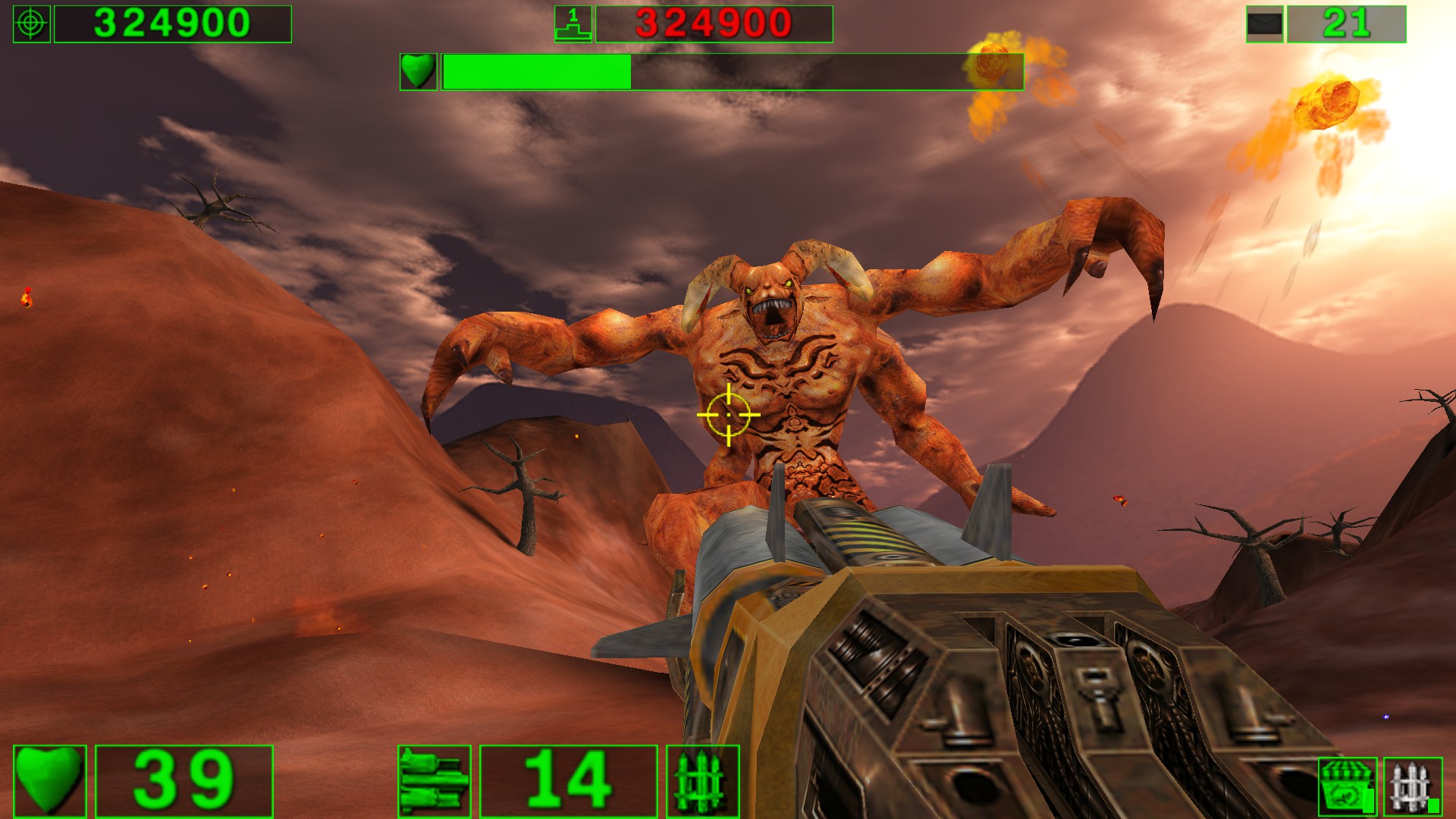
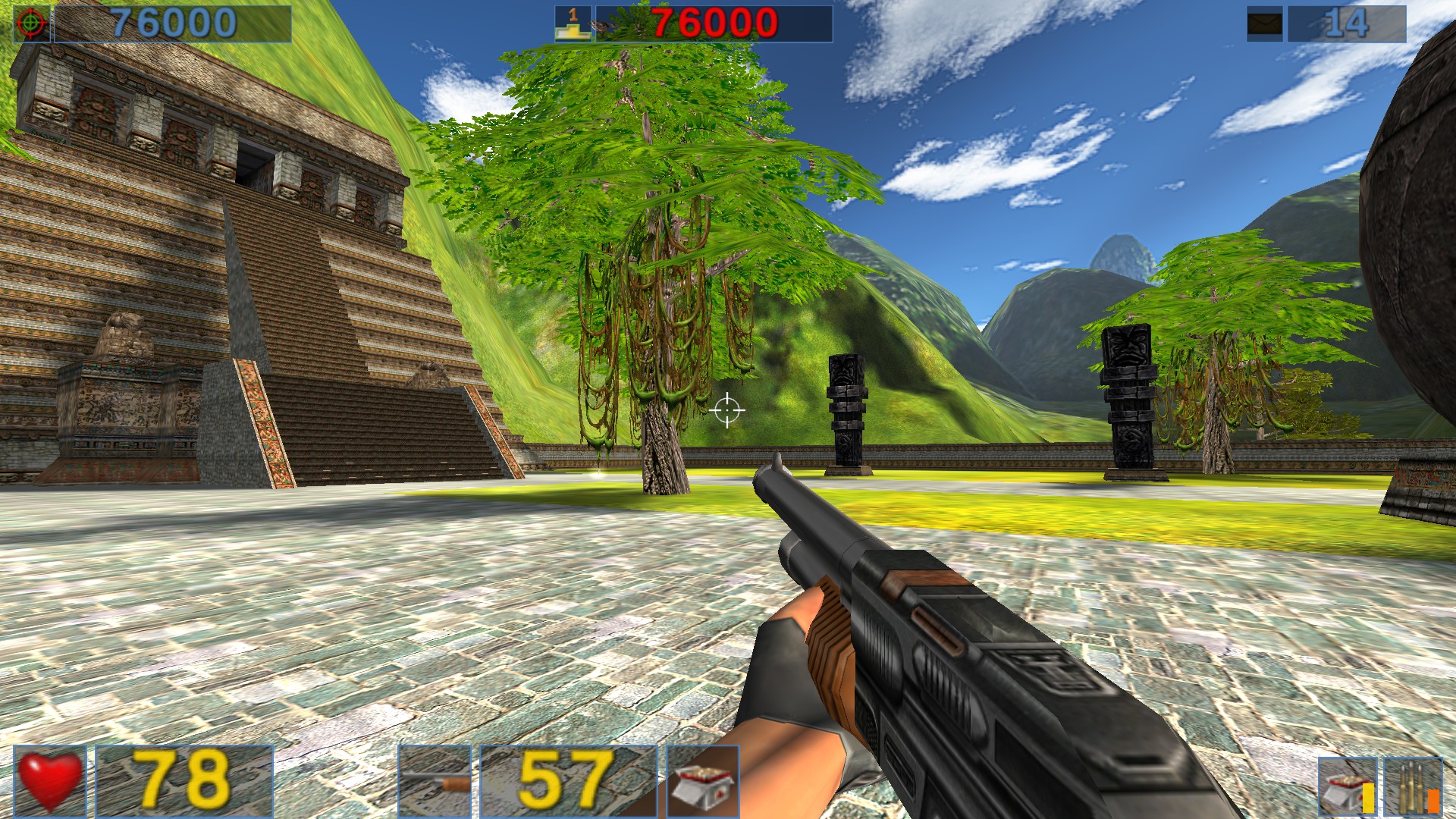
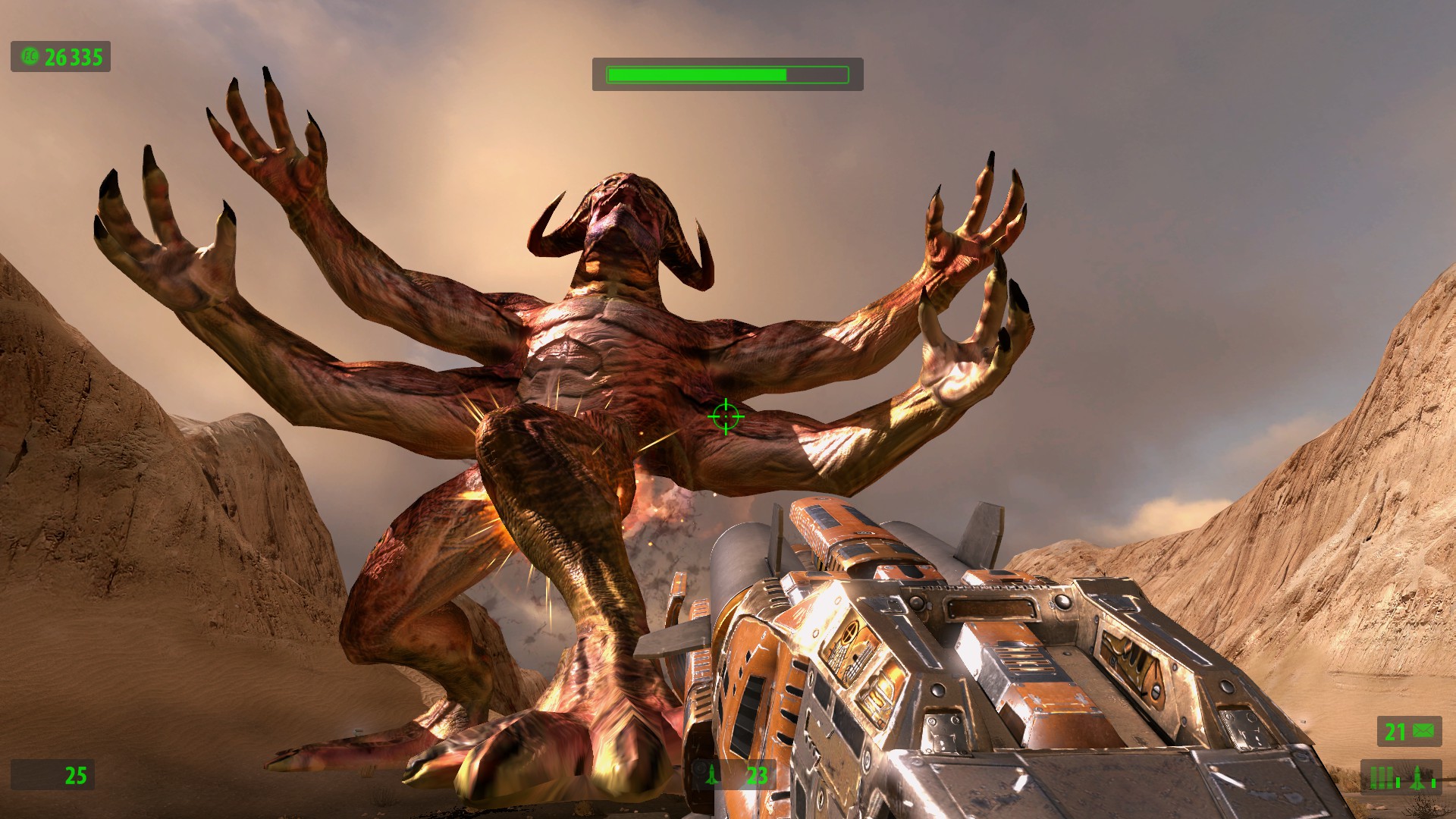
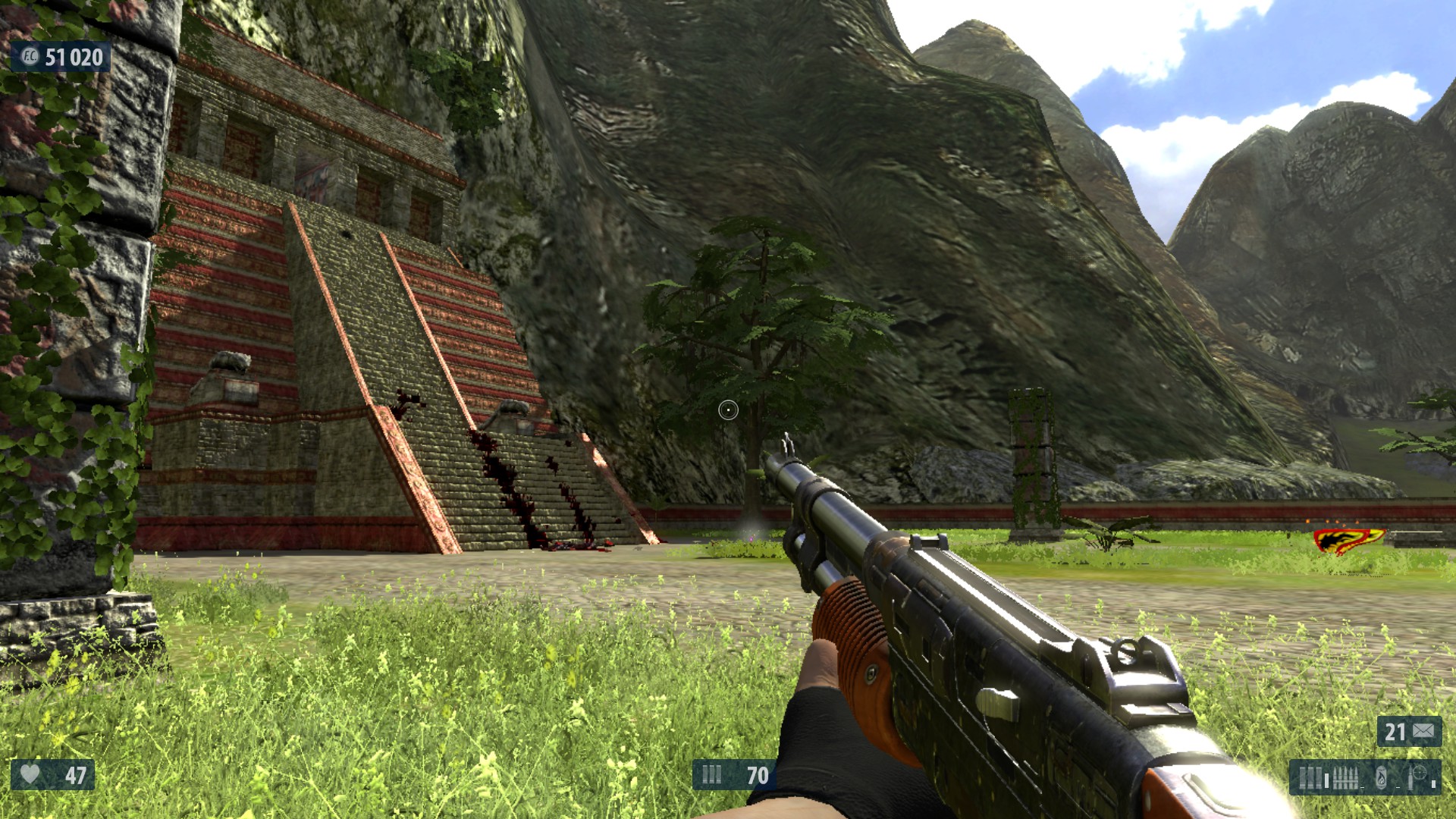
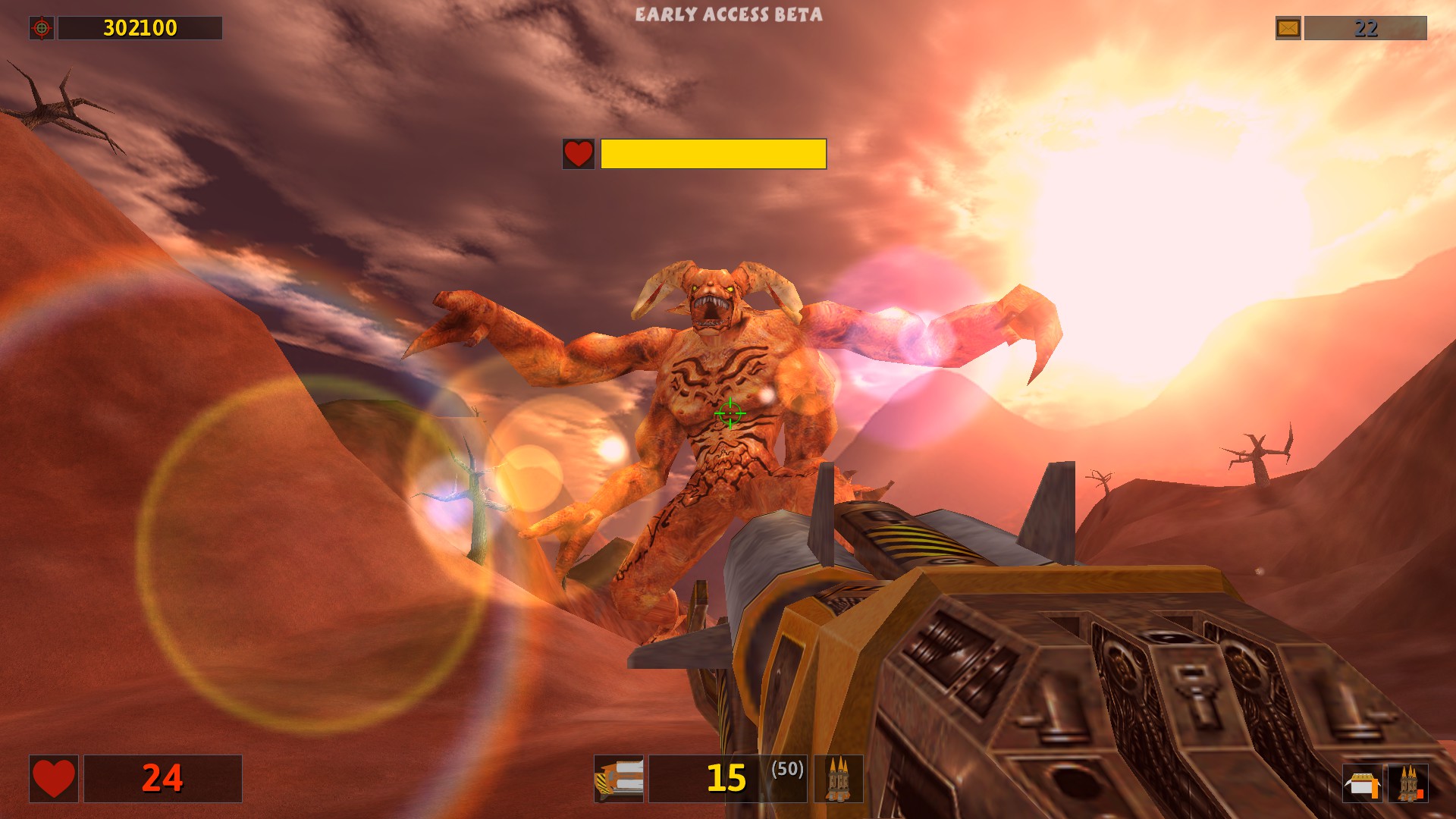
As I sat down and took a serious look at the Serious Sam franchise, I couldn’t help but continually think, “What a wreck.” Having read Lepcis’s reviews, I knew what was coming and I wasn’t looking forward to it. You can read the reviews for yourself by using the links above if you like, but one line he wrote sums the whole thing up. “Croteam made 1.5 good Serious Sam games […] and have just been repeating the same game ever since.” I can’t find a better way to describe this mess. There are 9 Serious Sam games loaded in my Steam folder. 2 of them are disjointed outsourced spin-offs. 1 is a terrible sequel. 1 is the original game and 5 are remakes of the original game. Let that sink in. There are 5 remakes of the same game. As much as I dislike the franchise, at least each Call of Duty game has a new Single-Player story (the caveat being that I’ve never really played a COD game). But Serious Sam? Naw, why try? Why use creativity? Just re-hash the same damn thing that achieved pseudo-popularity years ago. I’m not even kidding. Take these 6 games and put them in a pile: 1 is the original game, one is an expansion of the original game, one is an HD remake of the original game, one is an HD remake of the expansion of the original game, 1 is an unfinished fan-made remake of the original game and the last is a prequel of the original game that reuses many of the same jokes and monsters. What. The. Hell.


In spite of my strong feelings of anger, insult and disgust associated with a company that feels so confident that the stupidity of their intended audience is so intense that the won’t even notice that they’re just buying the same game 6 times, I can’t really say anything that Lepcis hasn’t said already. So I’ll try not to. What follows instead is a brief comparison of one game to another built up from the original seed of the first Serious Sam game–short and sweet. You’ll still be able to find the Tier that I believe the game belongs to but I will forego the usual lengthy explanation. Without further ado, let’s get into the excrement deluge that is the Serious Sam series.


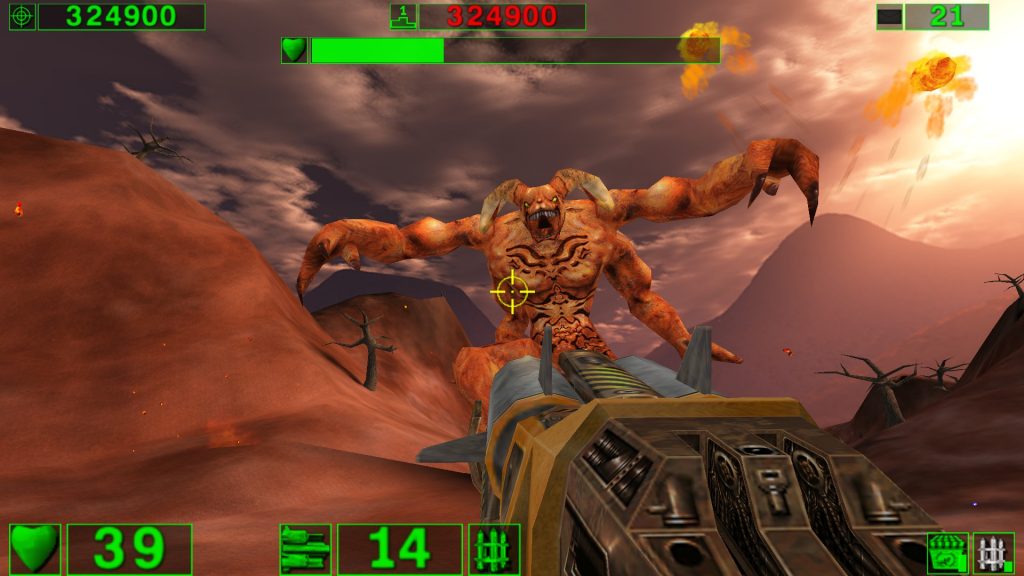
Serious Sam Classic: The First Encounter: Tier 3

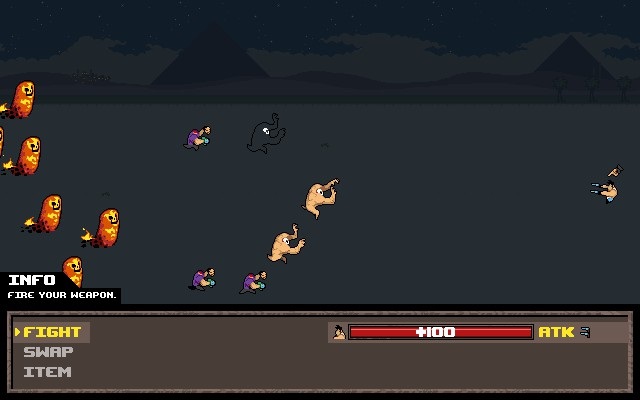
Floaty. Poor level design exasperated by bland enemy AI and non-existent enemy placement due to “teleport-spawning” enemies. Strategy against every enemy is exactly the same–kite and shoot. Instead of quality you get quantity–hoards of enemies, but none of them create a need for intelligent play since they die as fast as they teleport in. Might as well be a point-and-click adventure. Enemy visual design is creative and unique and the game is very fast paced with relative smoothness. Sam has a few interesting one-liners that are cringy, but that’s the point.  Large levels, but no motivation to explore them and little meaningful player interaction with them while fighting enemies due to simplistic designs and teleport-spawning. No need to even fight enemies either, just run through the levels until the developers force you to fight a hoard through use of a locked door or raised wall because their game isn’t well-developed enough otherwise to create meaningful confrontation between the player and enemies otherwise. For its time, mediocre. Nowadays, it’s forgettable. The original Timesplitters, a game with smaller worlds and fewer enemies, was more fun to play, and it came out a year before this.
 

Serious Sam Classic: The Second Encounter: Tier 2

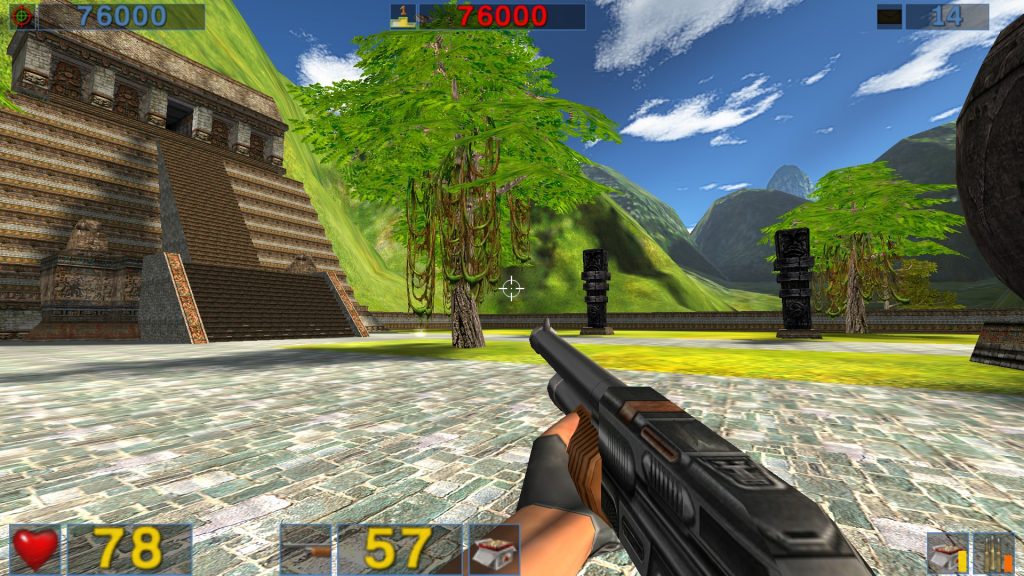
A huge improvement over the original. Yes, it uses the same engine, assets, monsters etc. The biggest difference is that the level design in this blows the first’s out of the water. There are far fewer enemies that just teleport-spawn out of nowhere. Level designs create meaningful play without boxing the player in all the time and forcing them to fight arena style. When you are boxed in, it feels acceptable and isn’t overdone. Level pacing feels much better as well, not to mention more interesting looking. It just goes to show you, it’s not how pretty your graphics are, or how many enemies you’ve designed–it’s how you use them.
 

Serious Sam HD: The First Encounter: Tier 2

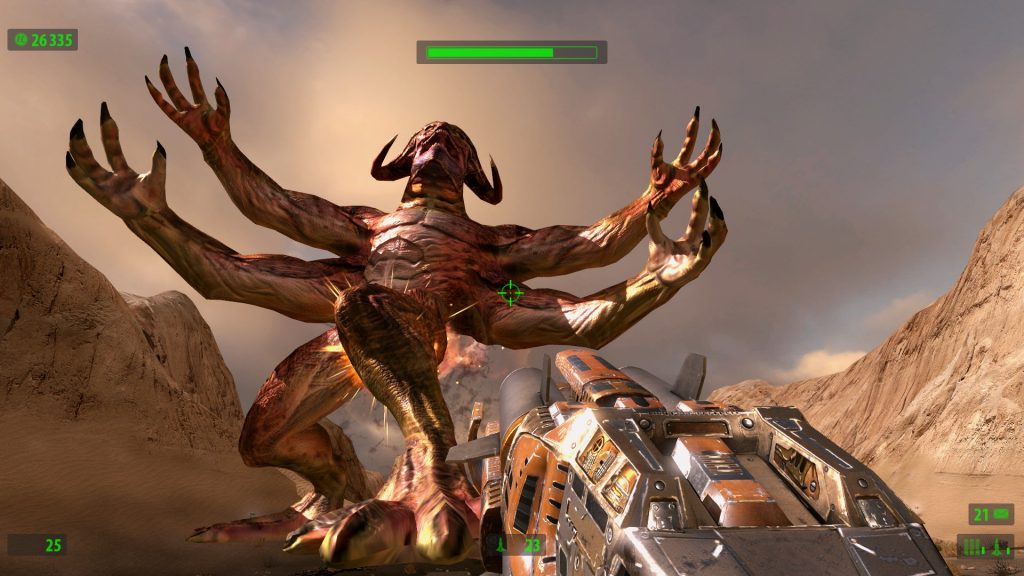
A direct remake but many improvements over the original. Floatiness is nearly gone. Weapon animations are more believable (there actually is animation for the pistol now). AI is still bland and arena fighting problem still exists. Teleport-spawning still exists, and level design is still relatively poor. Teleport-spawning has been altered so that enemies no longer fall into cliffs from the sky and clip to solid ground. Gone is the headless bomber riding the bull monster (or at least I didn’t see him). You can still just run through the level fighting a minimal amount of enemies. Barely nets T2, but overall just feels better.


Serious Sam HD: The Second Encounter: Tier 2

Once again, a strong improvement over the First Encounter. Contains much more content. Seems to contain several campaigns (including the levels from FE) as well as a survival mode. Makes me wonder why they didn’t just release FE and SE as one game. Biggest complaint is that they’re just recycling the old Sam voice clips, which I didn’t think were that great to begin with. He barely passes as being some sort of troll or ogre–definitely doesn’t pass off as being human. Otherwise, this is the strongest one yet. Definitely would suggest just playing this one and skipping the previous 3. They are, after all, just the same game repeated.
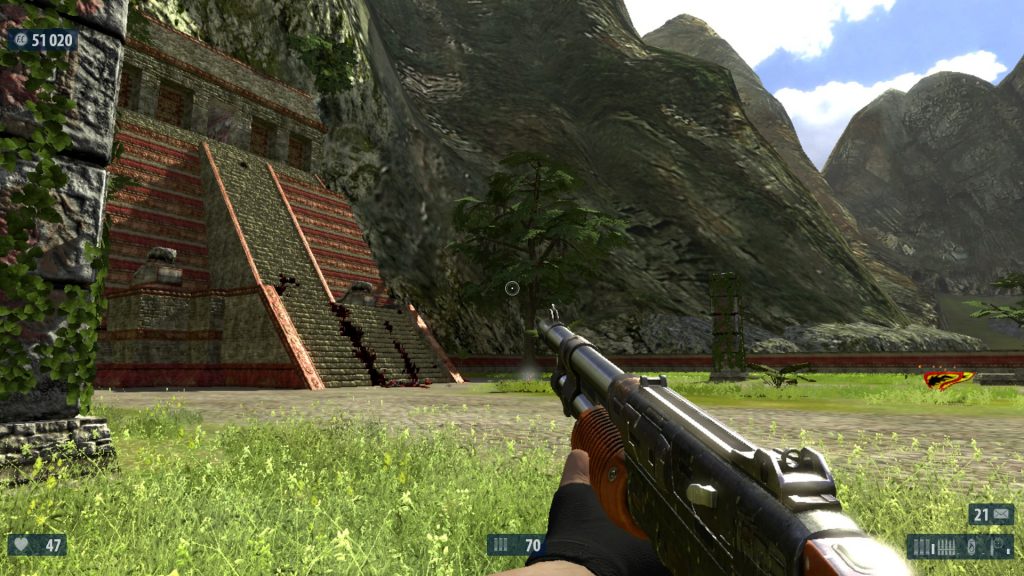
 

Serious Sam Classic: Revolution: Tier 3

Sorry, I know I said I wouldn’t repeat what Lepcis said, but I have to for this. Why does this exist? Just, why? Literally another remake of FE and SE, only with the original textures and physics.  Does Croteam think it’s really worth it sell this fan project? The only advantage to this existing at all is that the old mods that worked with the SS Classics games will work with this since it it’s got the same framework. Otherwise, this is just waste of space. It runs smoother than the Classics versions and that’s about it. It’s not even finished. Don’t even waste your time.
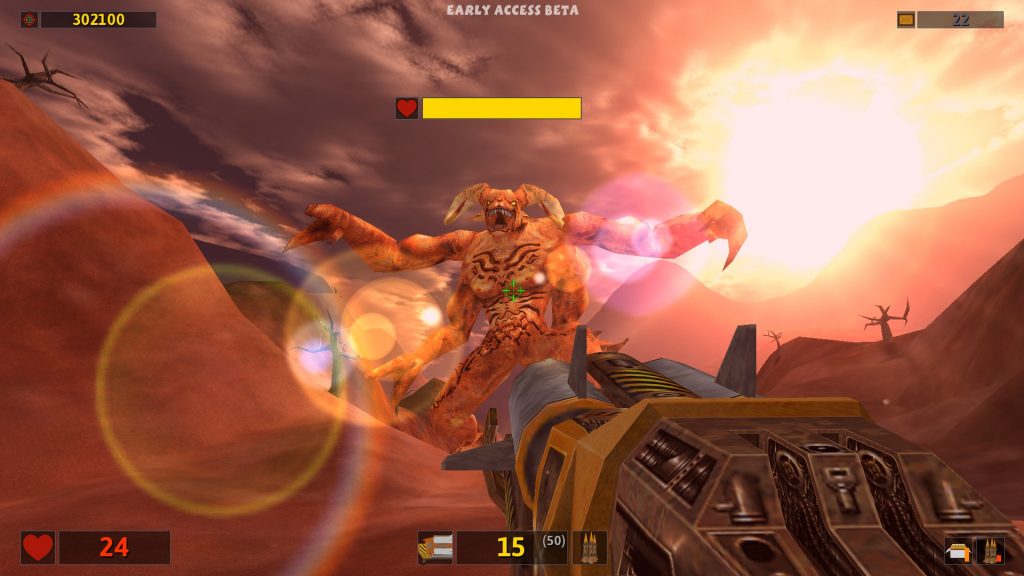
 

Serious Sam 2: Tier 3

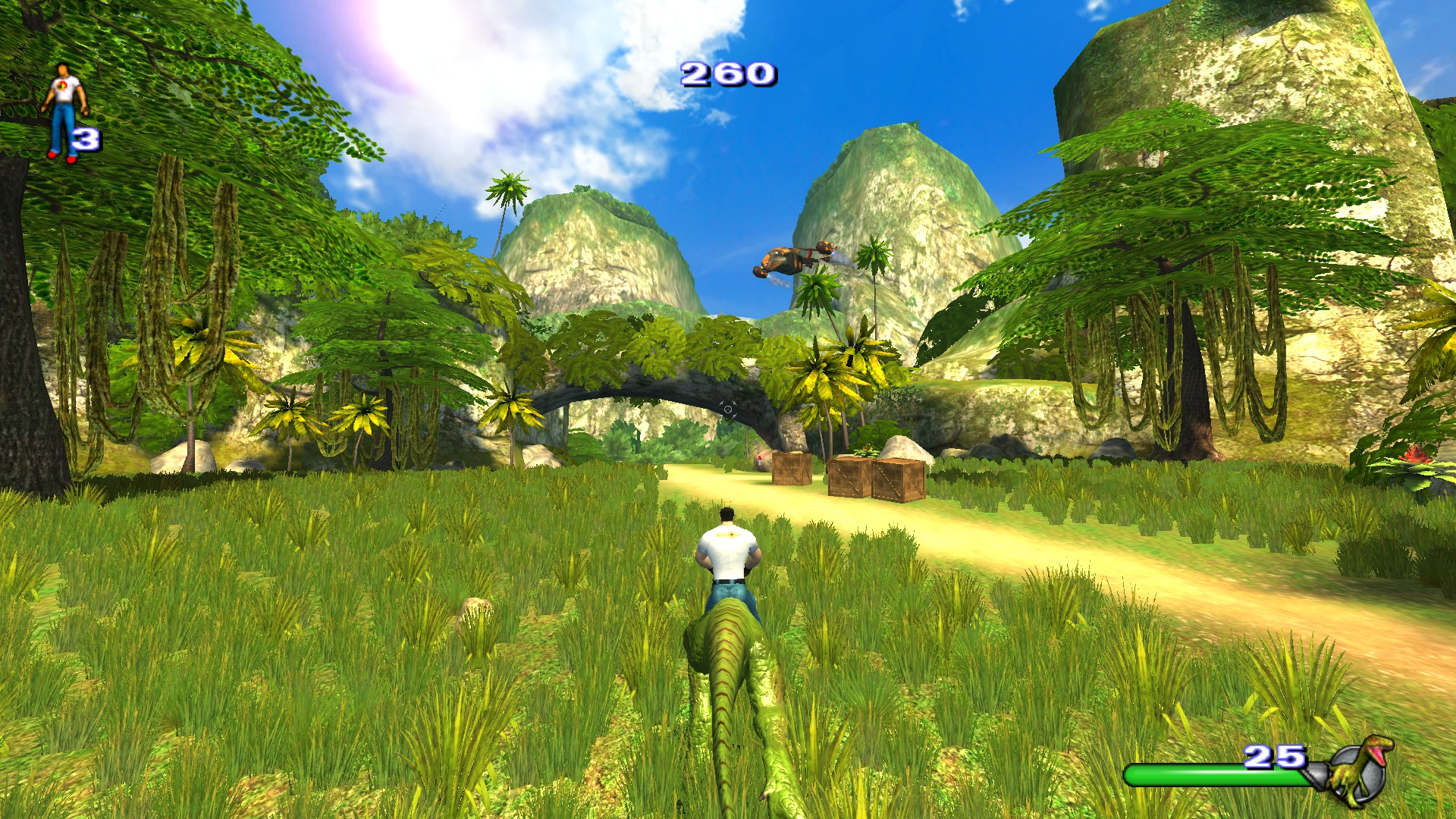
Identity of the game is completely confused. You’d think that a game where you ride dinosaurs, shoot giant monsters and have a sexy blue-skinned assistant would be awesome but… it’s not. Not really. The pacing of the game is severely dropped from previous installments. Enemies are completely new and feel very different from before; the staple headless monster is replaced by a sort of space-ogre. I’ll give them one thing, and that’s that they tried something new. I don’t know if it was a step in the wrong direction, but I do know it just isn’t implemented well. It feels like a strange mix between Halo and Banjo Kazooie, but not in a good way.
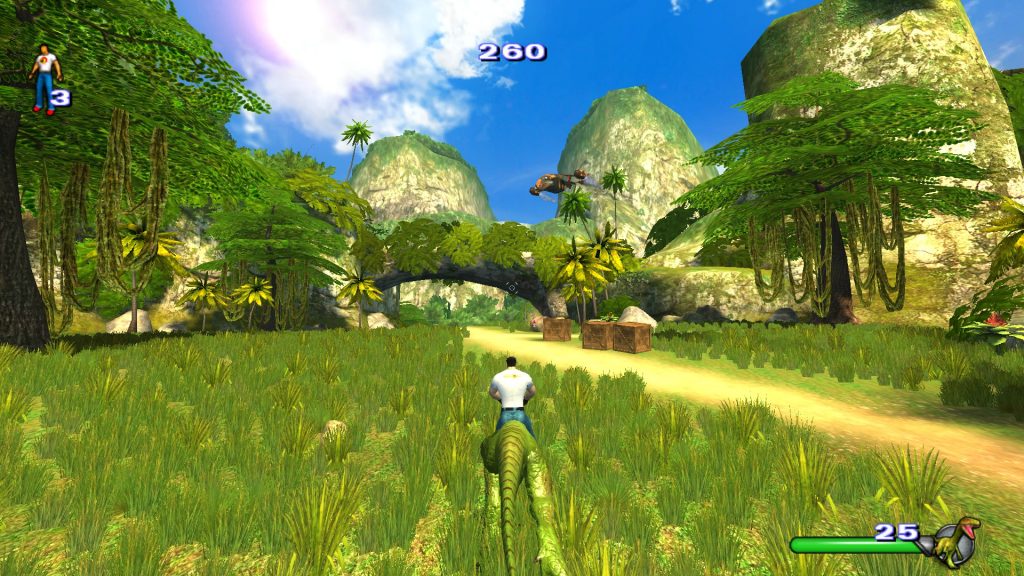
 

Serious Sam 3: BFE: Tier 2

Once you get past the familiar enemies and repeated jokes from the previous installments, this one’s not that bad. I think I’d still rather play SS HD SE, but mechanically speaking this is the stronger title. Finally, there’s a new VA for Sam in a game that also contains the headless monsters. Not a fan of the instant-kill melee attack that Sam always possesses, but DOOM needs to take a leaf out of BFE’s book–you’re not invulnerable while you do it and health doesn’t spurt out of an enemy when you kill them with it, meaning that there’s a bit more strategy to it (but only a bit). I approve of infinite handgun bullets–it allows the devs to create levels that aren’t cluttered with ammo constantly, and it makes the bullets you get for the other weapons a bit more meaningful, since you’re expected early on to use the handgun quite a bit. Sam talks a bit more but isn’t quite as cringy–the VA still sounds like an ogre but it’s a little cleaner so it’s easier on the ears. Level design is pretty solid with plenty of secrets. Enemies have been re-balanced in meaningful ways. For example, the headless bombers now flinch when you shoot them, and explode on the second shot, meaning that you can point blank shoot one that is right next to you and still have time to back away before the final exploding shot. I no longer feel like the devs are just throwing swarms of enemies at you pointlessly–enemies are well-placed, don’t teleport-spawn in and make the levels fun.
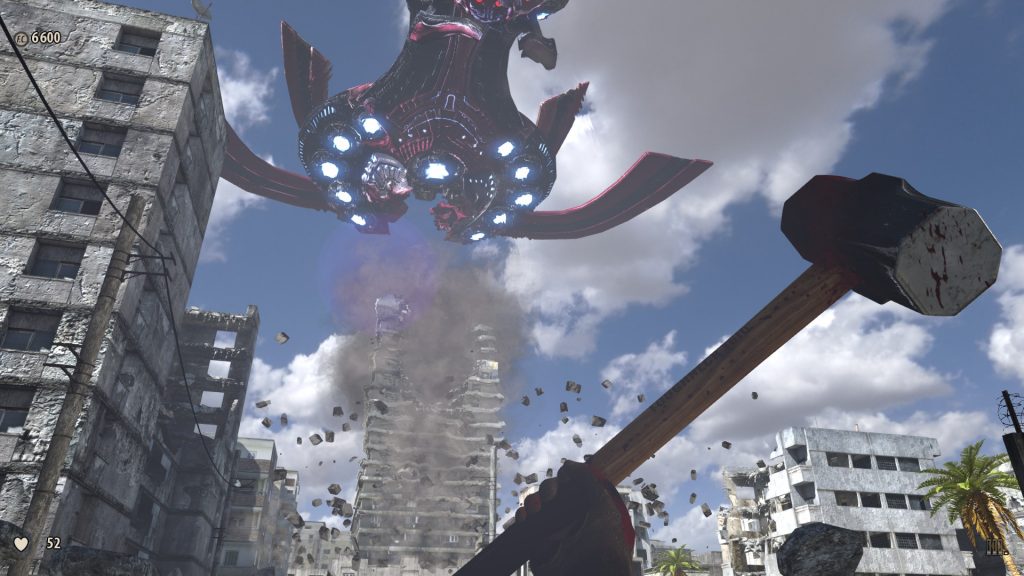
 

Serious Sam: The Random Encounter: Tier 3 (Completed)

I beat this one a while back and… it just is not worth it. It’s buggy as hell but that’s not even the worst of it. It passes off as a flash game, but I’ve played flash games that are better. The first time you play, it might take you 2 hours to beat. If you knew what you were doing, it would probably take less than an hour. Guns and enemies are not really balanced, and the niches that each gun is supposed to fill is obsolete in the face of the need for constant AOE DPS. There’s a few lame jokes that might get a small “guffaw,” here and there but nothing that Duke Nukem’s or Shadow Warrior’s humor doesn’t put to shame. It barely escapes Tier 4 because I like the concept of the game–it’s just that this is a horrible representation of it. If you want to know something weird, I met one of the guys who worked on this game at PAX. The game he was advertising at the convention wasn’t that great either.  I felt a little embarrassed for him.
 

Serious Sam Double D XXL: Tier 4

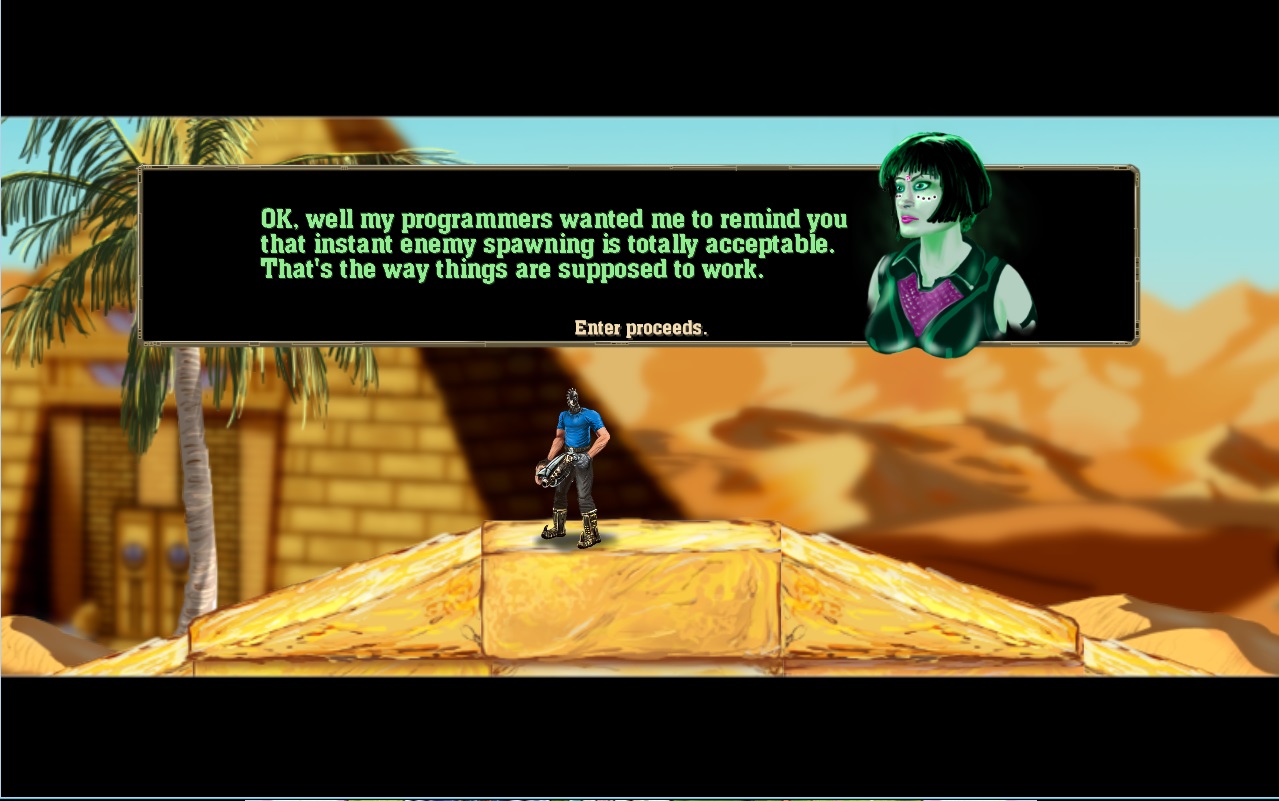
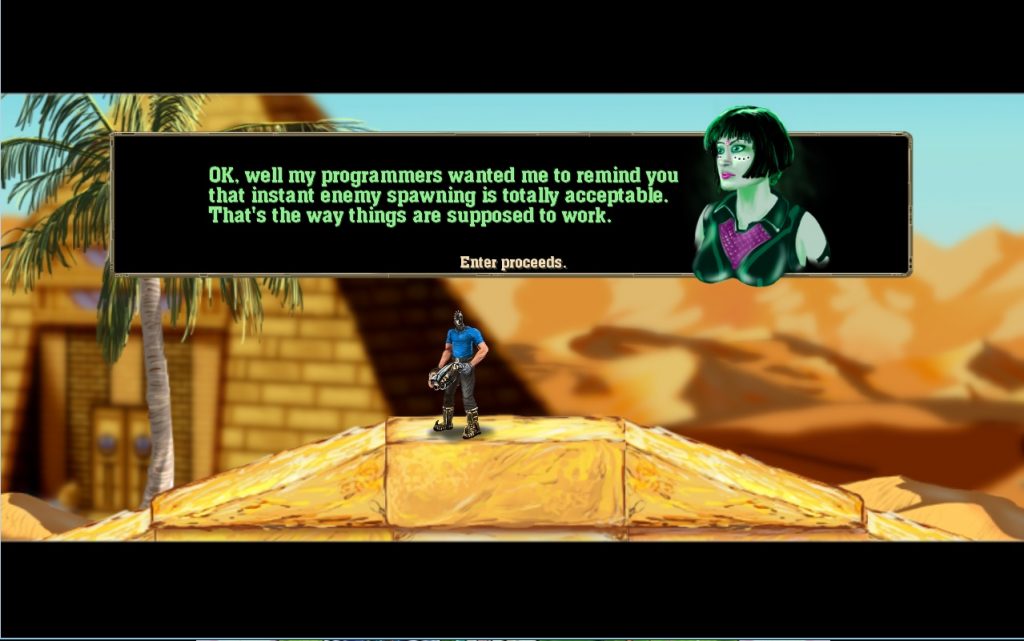
Nope. I’m not playing this game. The game’s title, immediate sexualization of your female sidekick and the way that Sam portrait looks like a pile of shit tells me everything I need to know about this game–but even then, I was willing to give it a go. Surprisingly, it was the screenshot below that was the final nail in the coffin. “My programmers wanted me to remind you that instant enemy spawning is totally acceptable. That’s the way things are supposed to work.” Nope. Just because you have one of your characters blatantly state that I’m supposed to treat a big pile of steaming excrement as something acceptable does not mean that I’ll do so–so when you tell me that teleport-spawning enemies is how “things are supposed to work,” then I’m even less inclined to accept it. Because you’re too ignorant to understand it Mr. Dev, I’ll spell it out for you. Teleport-spawning enemies changes the rules of the game in a bad way. A few enemies teleport-spawning is sometimes ok. A certain kind of enemy who’s calling card is to teleport-spawn is also ok. However, when all enemies can teleport spawn, you’re building your game’s “difficulty” based upon lies, with no reasonable counterplay. You are telling the player one thing, and then doing another. Your player can receive input visually and audibly that “you cleared out this room” which becomes false when he gets killed from behind by a hoard that immediately spawns in. There is no reasonable counterplay, since you did nothing to communicate to the player that there was danger. You’re too lazy to make a game that gives the player meaningful input so instead you design a game that requires prior knowledge. It’s the equivalent of blindfolding someone and then punching them in the face and when they don’t block it you tell them “well this is how it’s supposed to work.” Just because you told them you were going to do it does not somehow make it better. If you’re reading this, just leave this piece of refuse be and move on to something, anything more meaningful. It won’t be hard at all to find.
 

The Walking Dead

Akin to the rating system, I think we need to put disclaimers on digital media. “WARNING. THIS DIGITAL MEDIA IS NOT A GAME.” The first game that needs this tag is…


Okay, let’s go back a bit and be a little fair. I fully expected to hate this game a lot. I’ve never played a Telltale game before, but with such a title as “Minecraft: Story Mode” under Telltale’s belt in addition to a few concerning comments made by my peers, I was preparing for an awful experience. What I got… wasn’t that bad.


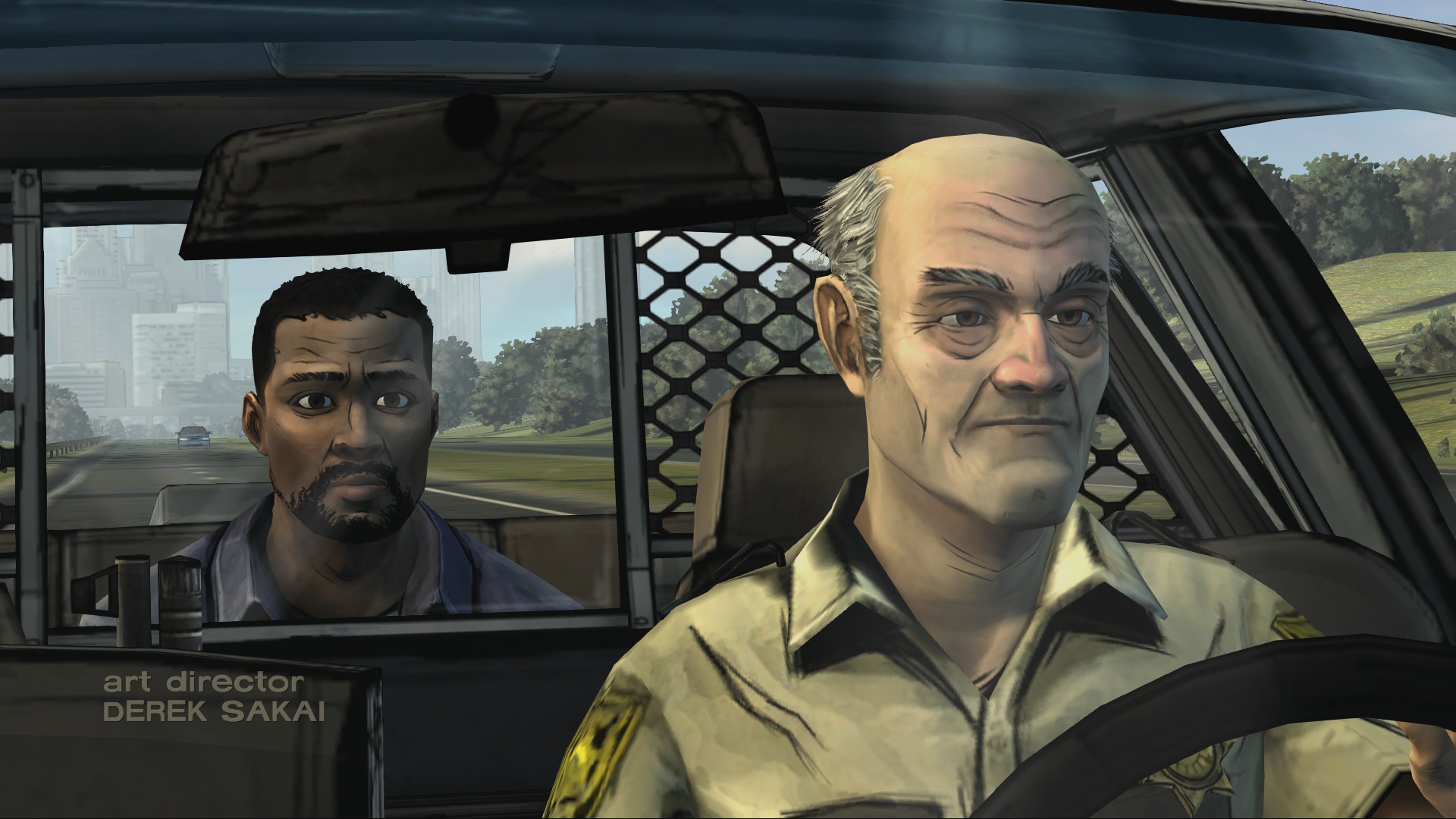
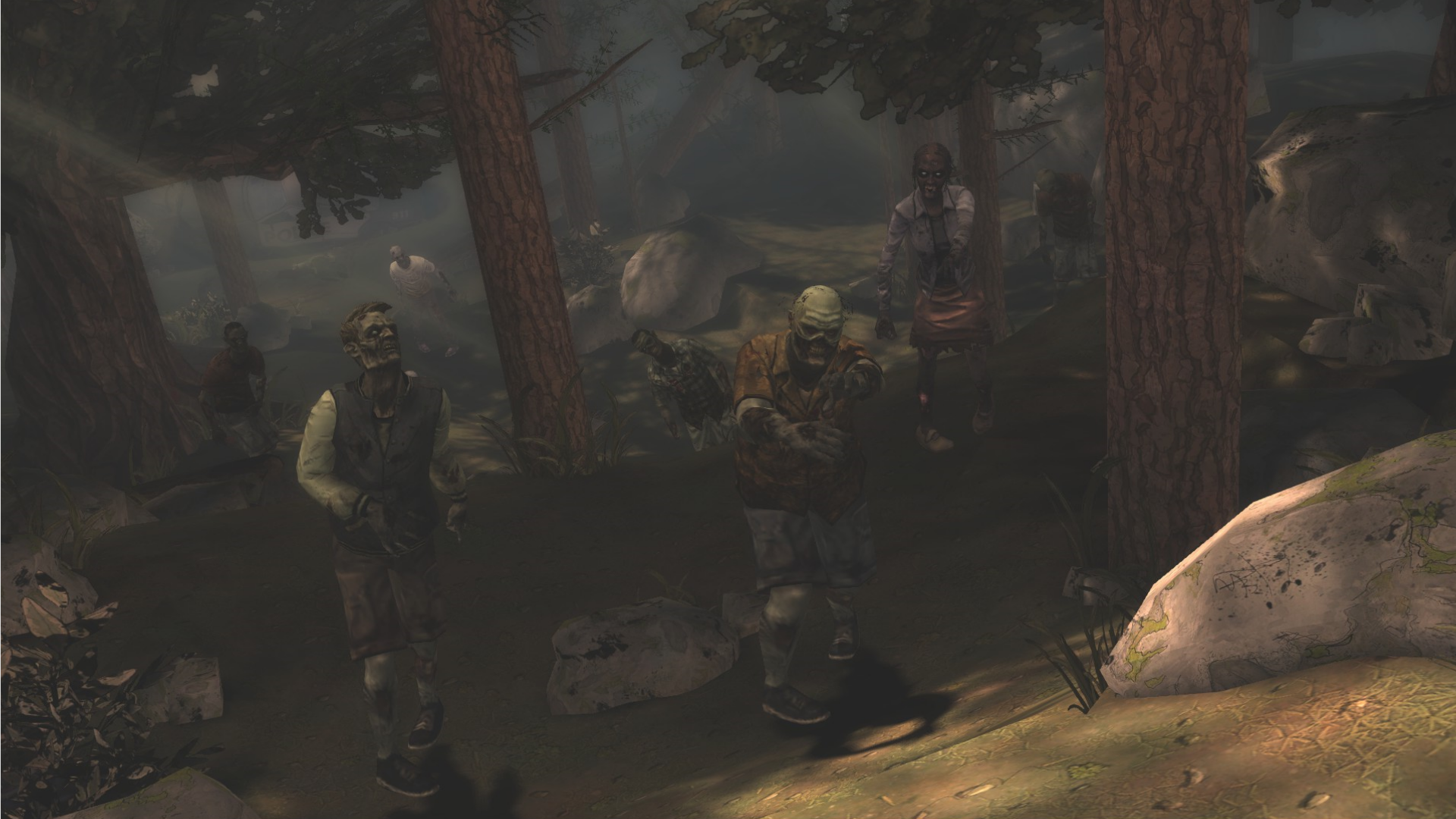
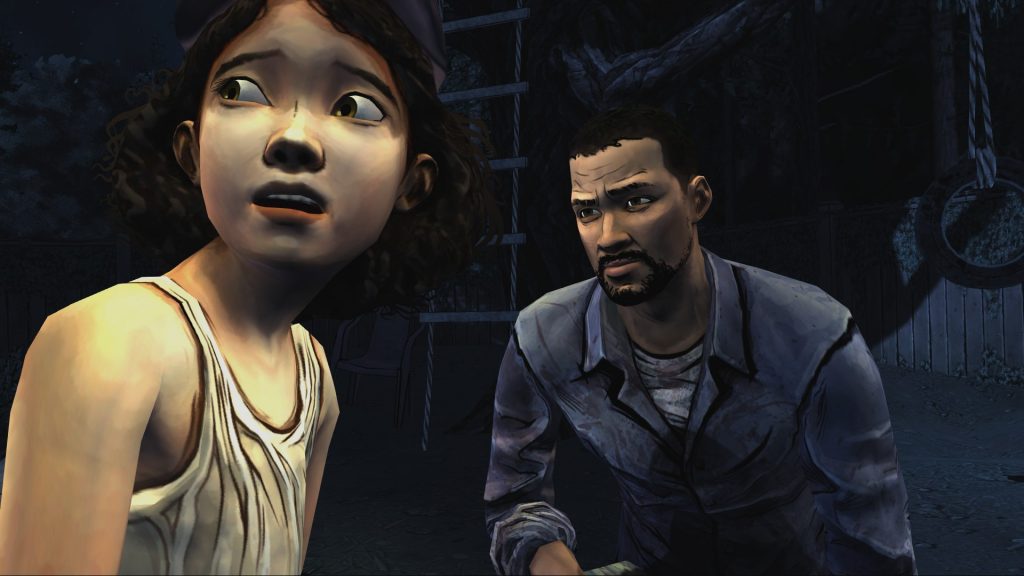
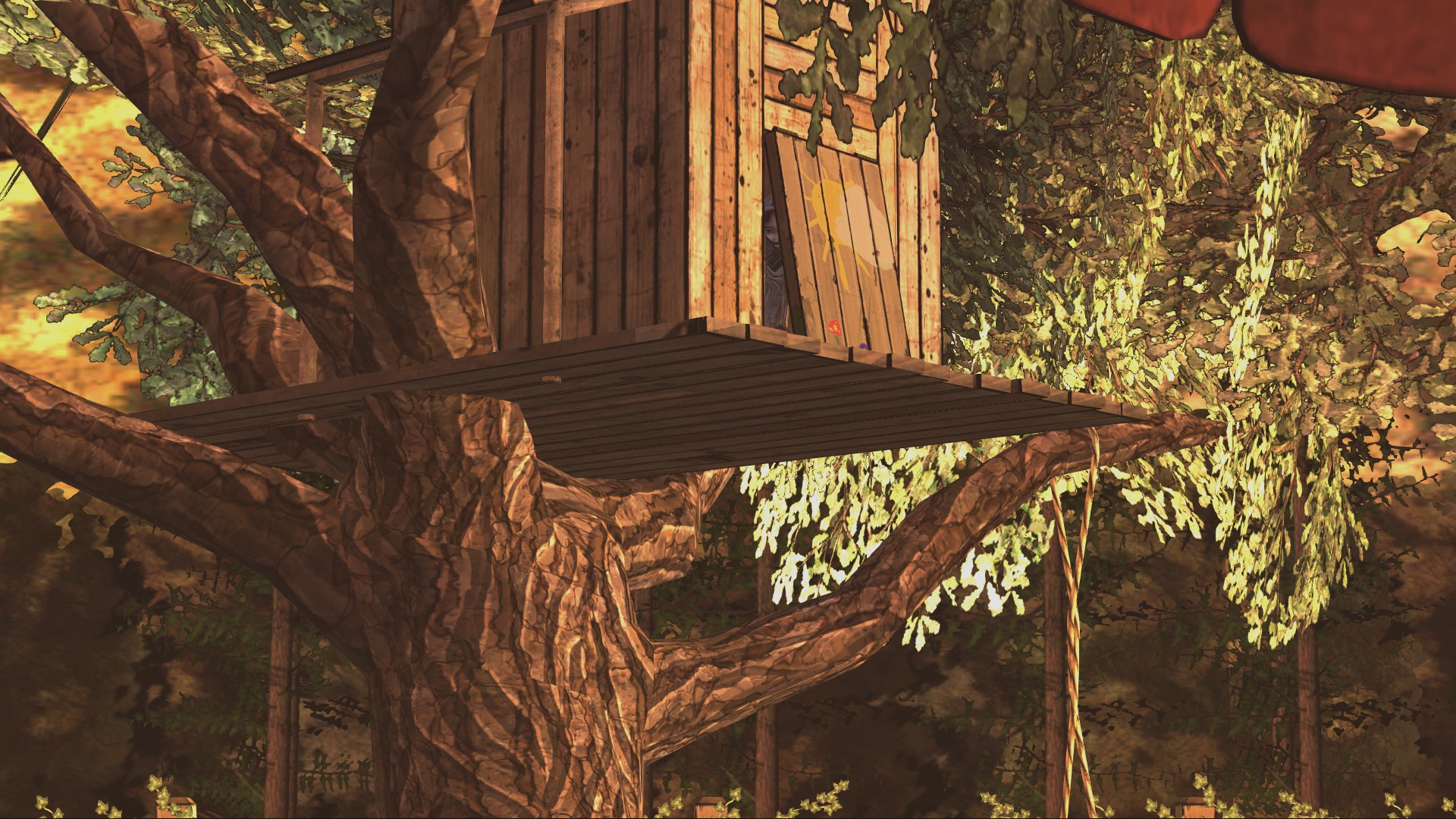
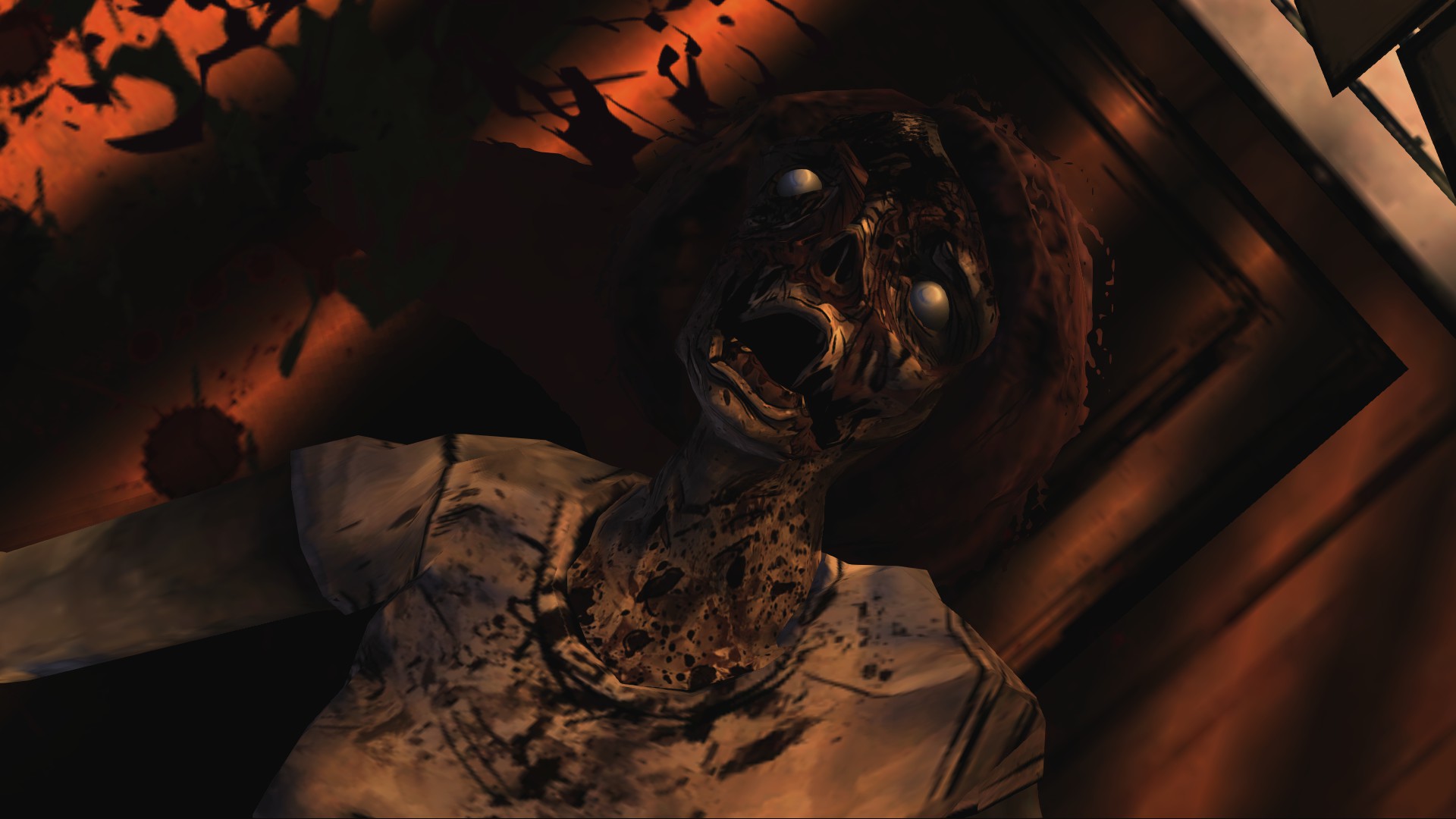
In the game, you play the role of a convict, Lee, who may or may not deserve his current fate, who may or may not have caused the death of his ex-wife, who may or may not have emotional family-issue baggage–you know, the normal things associated with the main characters of shows like this. Midway through Lee’s prison transportation ride, the car crashes, he escapes and he finds himself in the world of zombies that now encompasses the world he used to know. Along the way he’ll do typical zombie-story related things like bash a teenage zombie’s brains in with a hammer, befriend a small timid girl and shuffle aimlessly from people group to people group looking for a place to settle down and make sense of the world as it is. In spite of it not really being anything new, it sets a good mood, there are a few exciting bits and it didn’t feel like it contained any filler (for the first hour that I played at least).


Mechanically speaking though, this is not a game. It’s best to think of it as a form of digital media that lies somewhere between a point-and-click adventure and a choose-your-own adventure book. Imagine it as if someone took any of the Dragon Age or Mass Effect games and removed everything from the game except the dialogue choices and a few isolated bits of walking around and clicking on a things. These kinds of games have been done before; Heavy Rain comes to mind. For whatever reason though, Heavy Rain felt better and its difficult to say why. Maybe it’s because Heavy Rain felt like a game that was entirely designed with this sort of mechanic in mind, whereas Walking Dead feels like a TV show that they had to find the best way to put in video game form, and choose-your-own-adventure-point-and-click was the best way to do it.


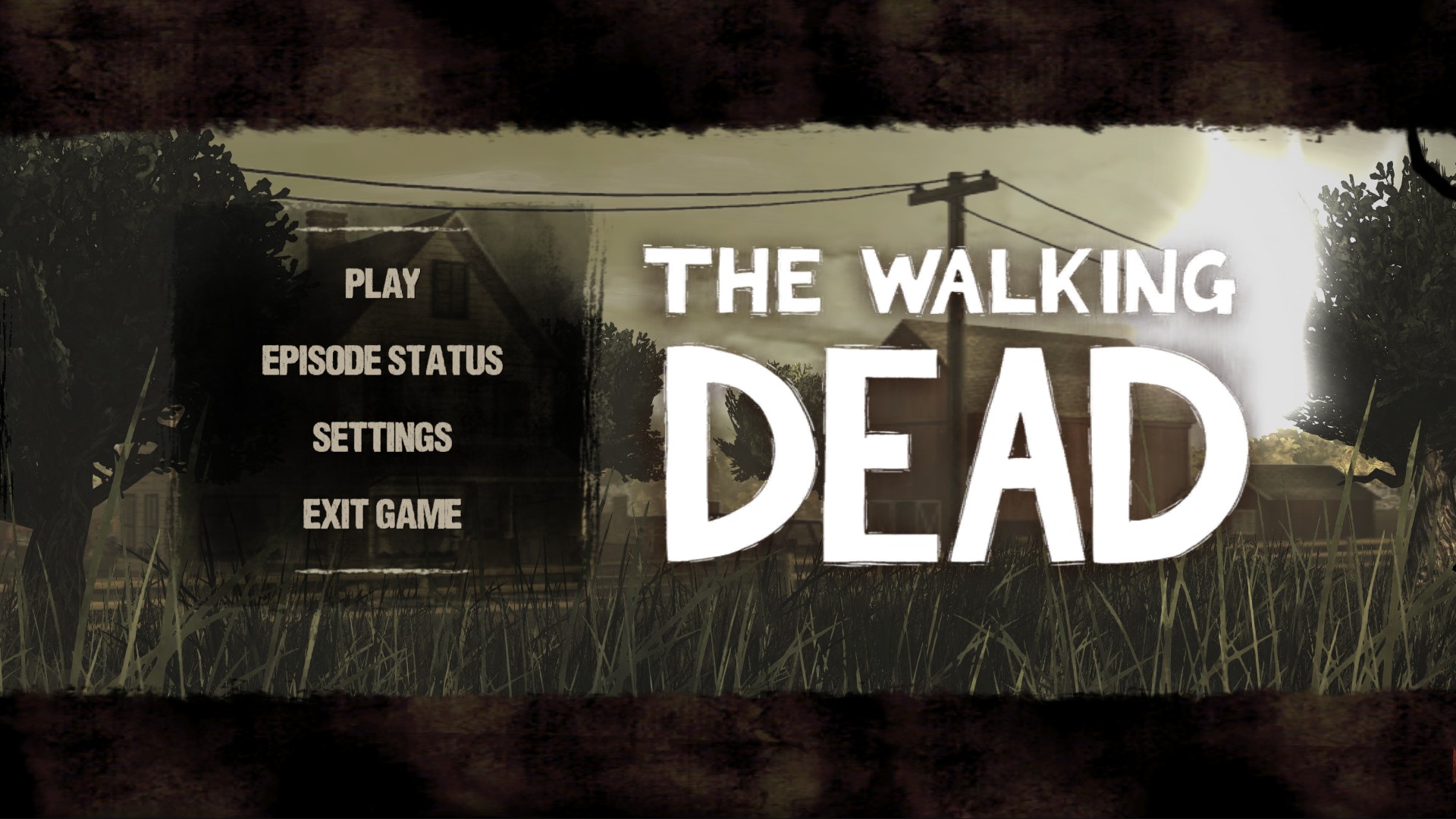
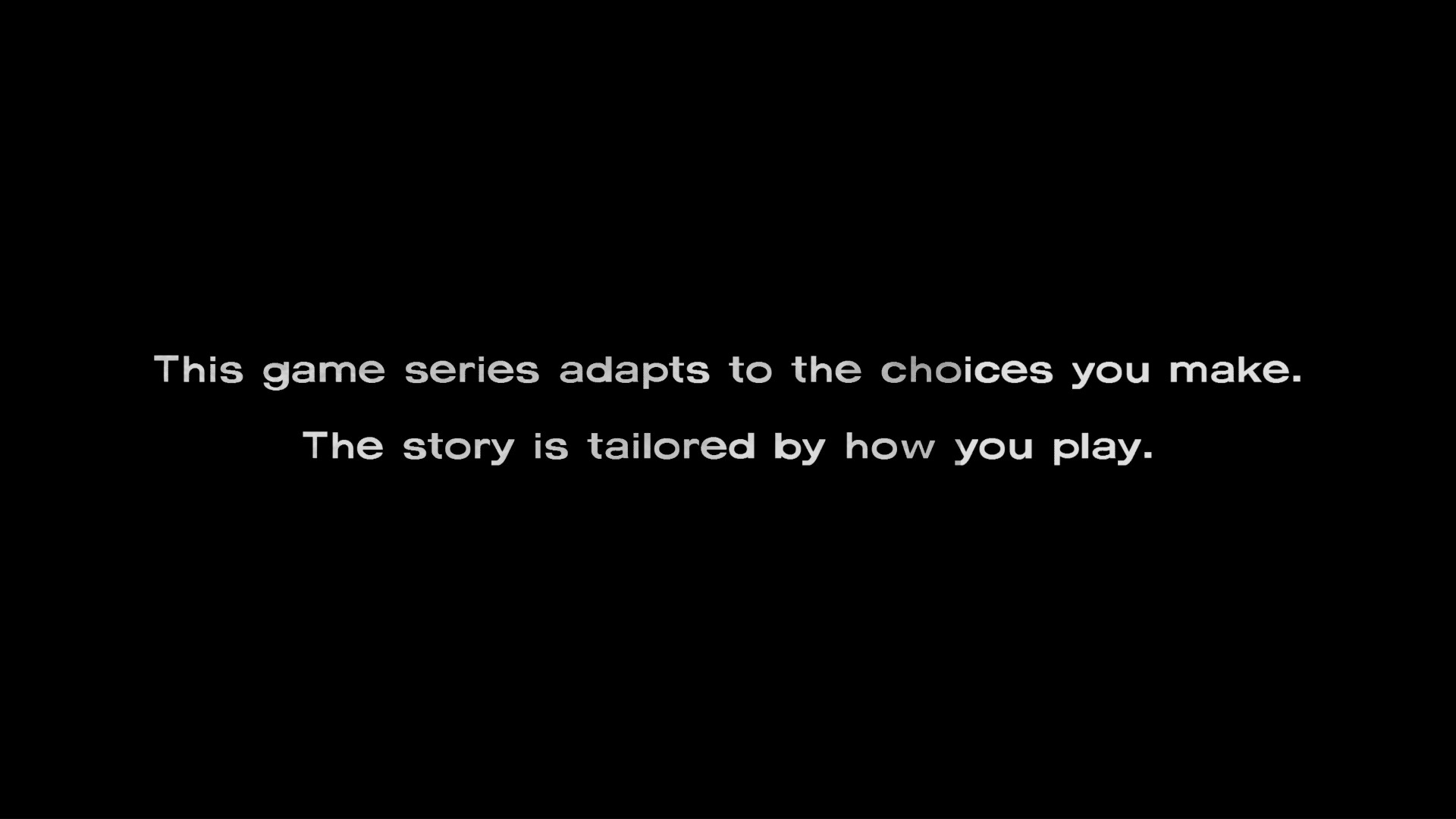
A big problem that exists within the game is the illusion of choice. The game starts out with the statement above. “The story is tailored by how you play,” is a pretty bold way to start the game and I’m not certain how accurate it is. Firstly, you don’t really “play” the game–you make a few dialogue choices and things just sort of unfold the way they’re predestined to. There were a couple parts where I noticed the dialogue had picked up something I had chosen earlier in the game, but “tailored” is just far too strong of a word. Technically, any game that rates your actions and gives you a different ending has “tailored” its game to you. By opening up dramatically with this statement as the first screen that the player sees, what the developers of Walking Dead seem to be insinuating is that your ability to have input into the game will be so influential that your experience in the game will be very unique. I did not really feel that this was the case.


Since we’re using the word “tailored,” let me paint a scenario for you involving the same. Let’s say you need a suit and you go to a tailor. You tell the tailor you want a black suit. He responds “ah, I see you want a black suit.” You nod and continue and tell him you want the one with three buttons, two gold cuff links and broad shoulders. The tailor responds “Ah, yes, three buttons is a lucky number. I too think that the gold would go best with the black. Broad shoulders is doable.” One last time, you point out that you are on a budget, and you can’t afford the most expensive suit. The tailor gives you an understanding look. “Ah yes, we can get something for you that looks nice but is affordable.” He takes your measurements, you leave the store and one week later your suit is delivered to you–it is a brown suit with 6 gray buttons, silver cuff links, slim shoulders and $50 more than you bargained for. Yes, you got a suit and yes, it isn’t the worst suit in the world, and yes you can technically afford it but to say that this suit was “tailored” to you would be false.


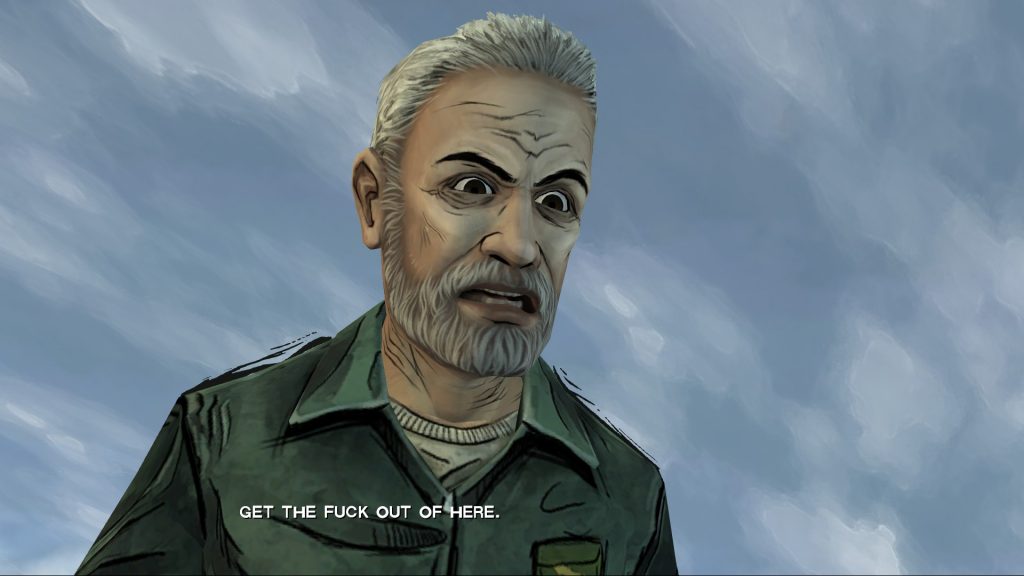
Back to the Walking Dead, Lee encountered a skeptical farmer who begrudgingly agreed to house him and Clementine (the little girl Lee found) in addition to a family that the farmer was already sheltering. During every conversation I could have with the farmer, I chose the most honest dialogue options available because I believed I owed it to be as open as I could to this man that was helping me and gaining little in return. Later on, the farmer’s son would become accidentally pinned under a tractor by “Duck,” the son of the other displaced family. Suddenly, zombies attack and you are given the choice to try to save Duck or the farmer’s son. I went to save the farmer’s son. During Lee’s rescue attempt, Duck’s father grabs Duck and runs off without helping the farmer’s son. Lee is unsuccessful and the farmer’s son is mortally wounded; the farmer kills the zombies and runs over to his dying boy. The boy’s last words were “Lee tried to rescue me.” As you can see, every single thing I could do within the game’s allowance was in support of the farmer. In spite of this, the farmer becomes enraged, screaming that everyone leaves, resulting in Lee and Clementine traveling to a new town with Duck and his father and mother. This does not feel like a tailored experience at all and in fact, I think most choose-your-own-adventure books are more reactive to the choices that you make within them. I was forced to follow the path that the game wanted me to, making me feel like all my previous actions were meaningless.


To call this media a “game” just doesn’t feel right. Games like this along with A Bird Story, however well-made they are, are just plainly more of an interactive experience. If you like watching TV and you like soap-operas with zombies and you like having a little input here and there then you’ll probably like this sort of thing. For me though, I think I’d rather just watch an actual TV show or read a book if I wanted a story. If I could, I would give this game a “Tier Null” classification, because I still don’t recognize it as an actual game. That being said, taken at face value I can see no blaring flaws in its design, and if I had to credit it as a game I would place it in Tier 2.

Steam Link


Descent

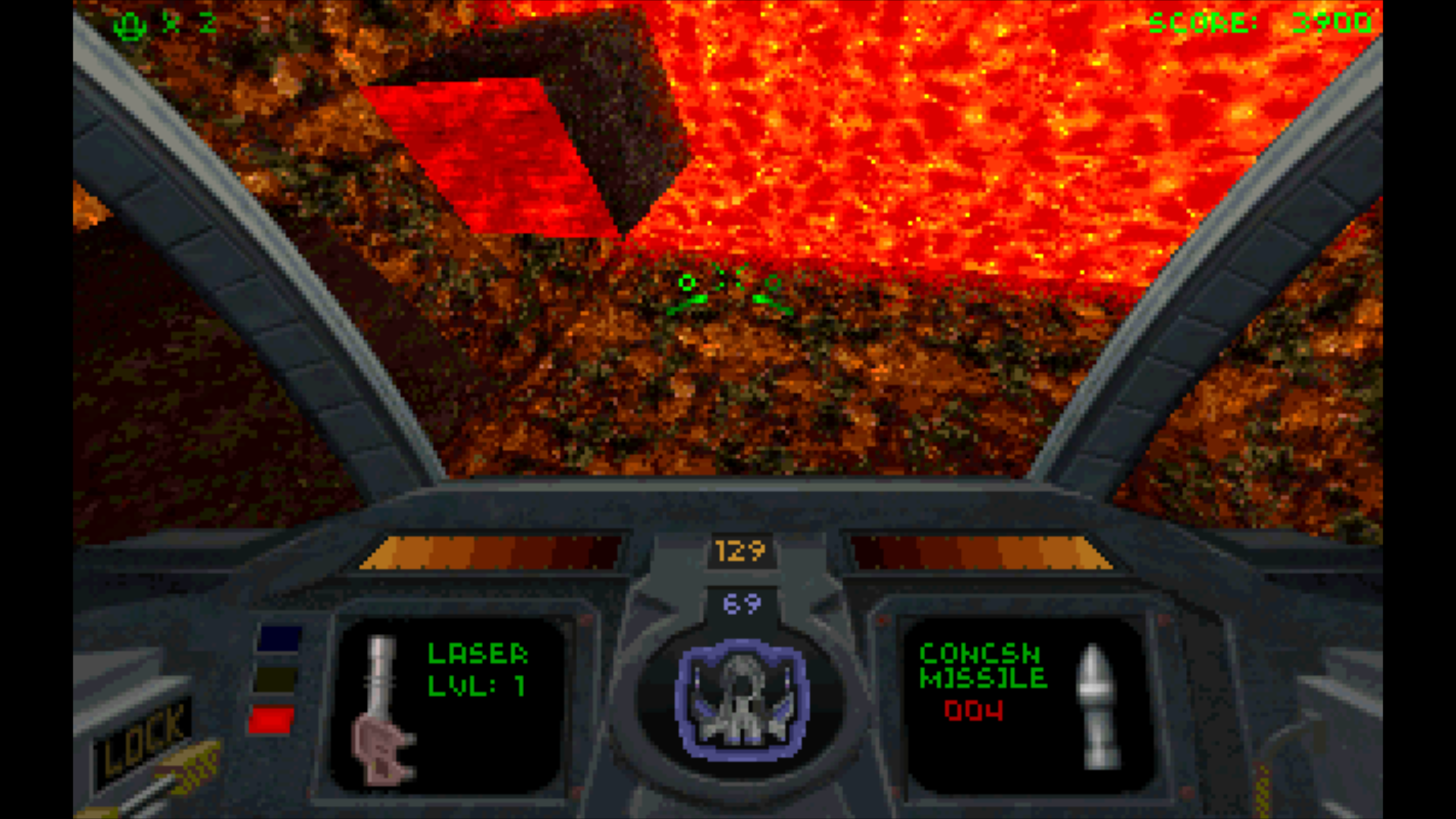
There is no up. There is no up. There is no UP. THERE IS NO UP! Thus is my descent into Descent.


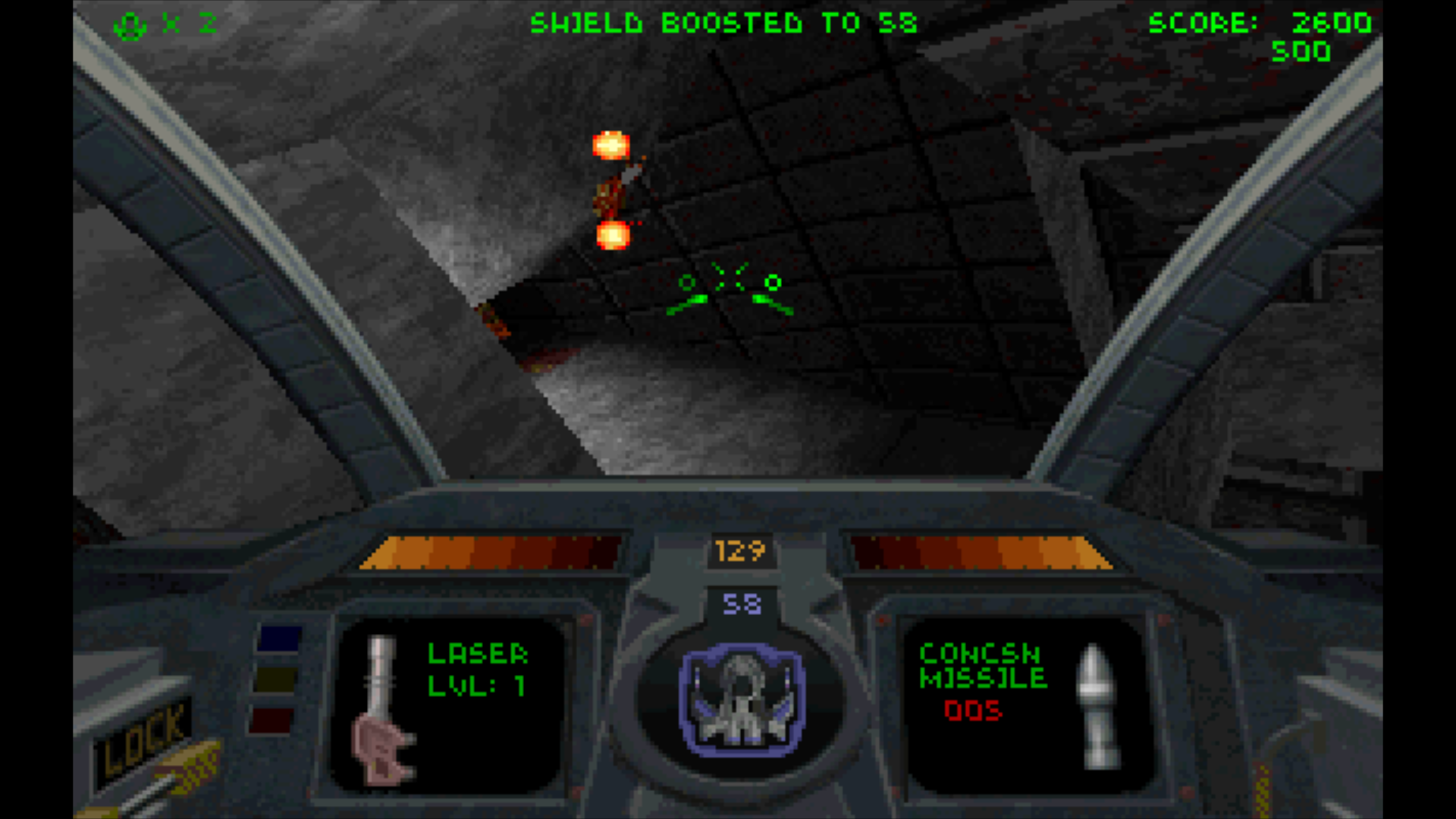
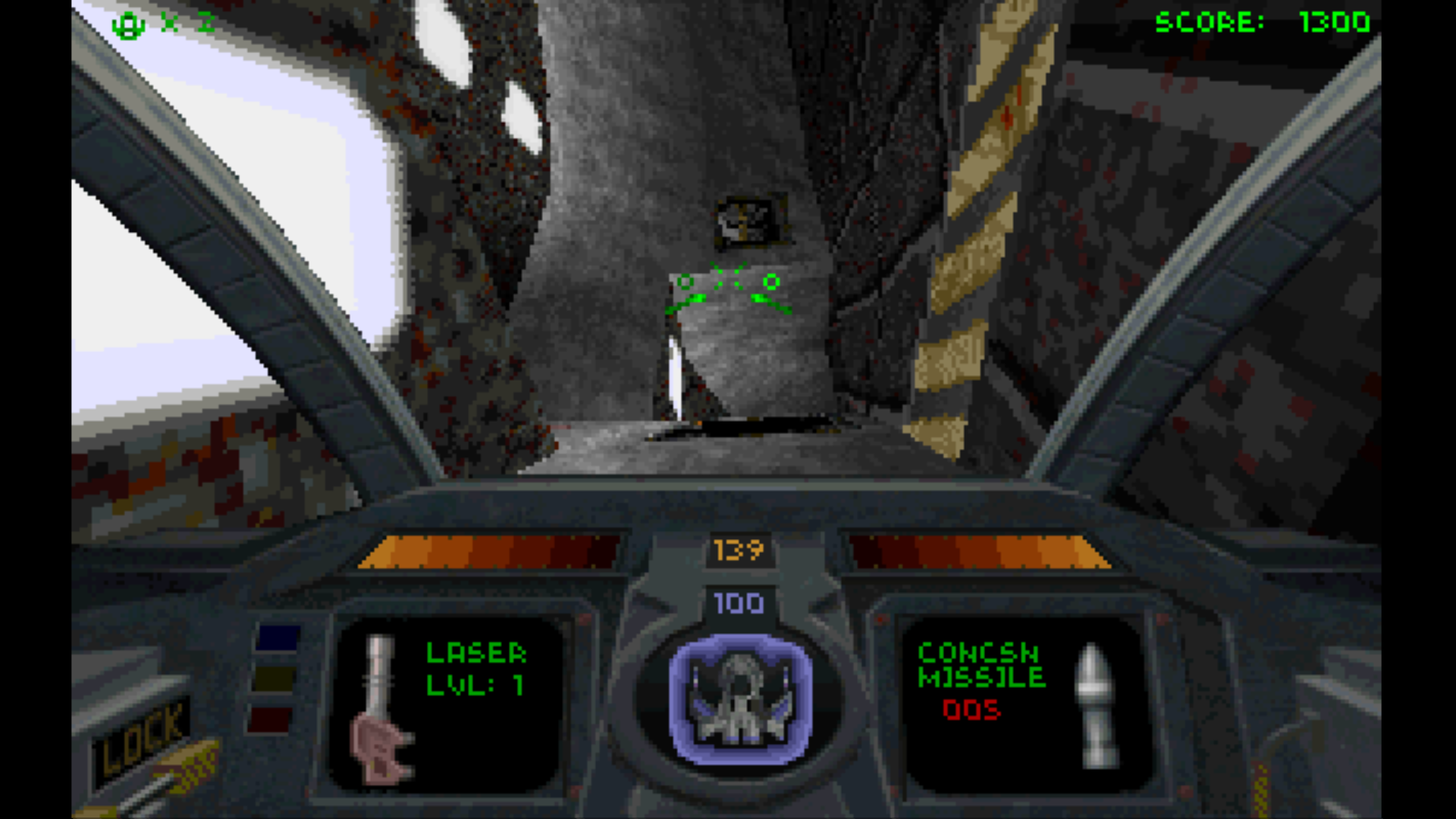
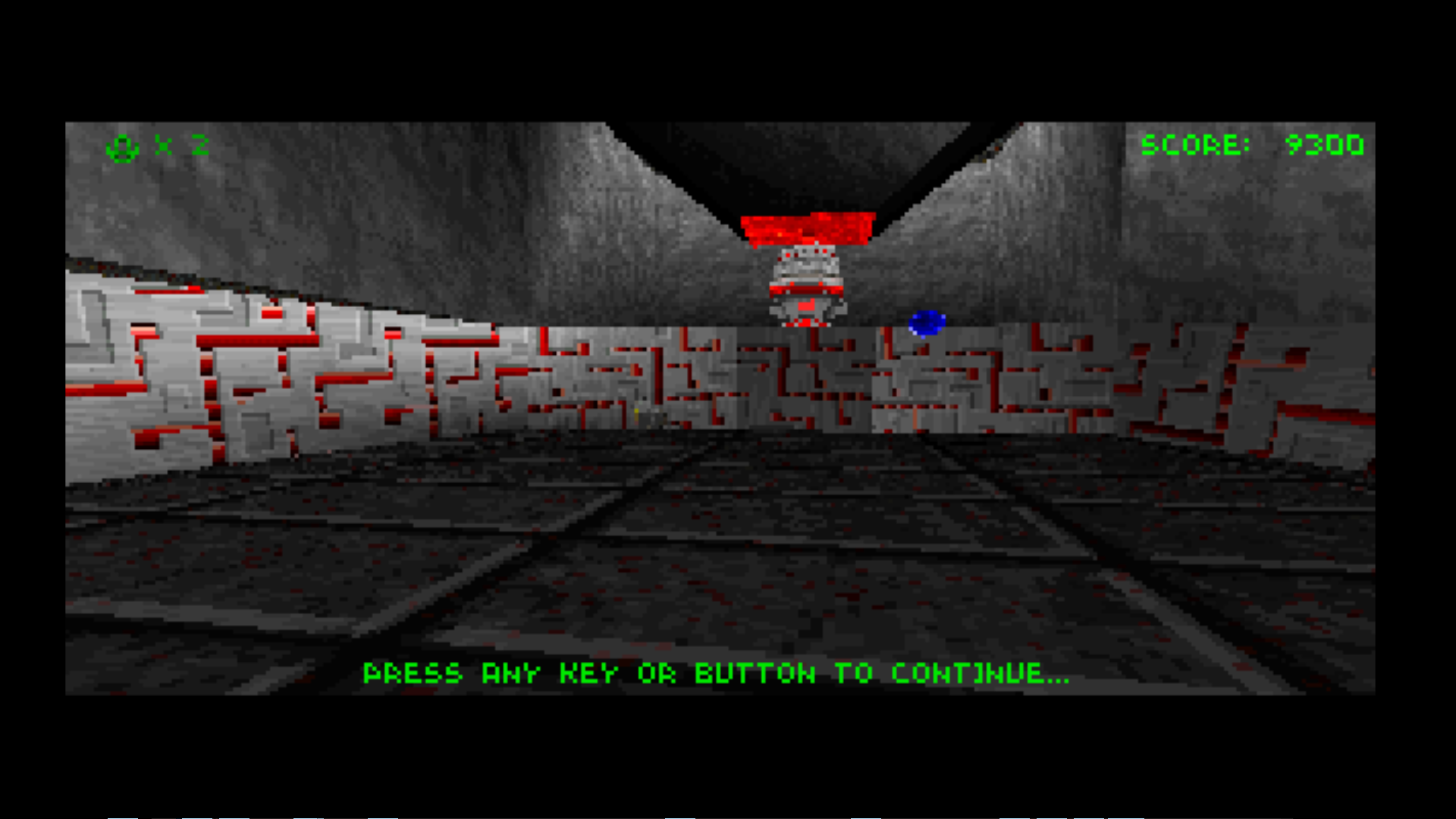
Descent is a surprising title. Coming just 2 years after the original DOOM, this game takes 3-D to an entirely new level. In fact, it even takes my modern-day concept of 3-D and turns it on its head–literally. Descent is a game where you pilot a small craft through a series of complexes and fight off enemy machines. The twist? You have a front seat to the ship’s cockpit and from there it’s your job to navigate in every possible X, Y and Z axis position imaginable. It only takes me about 5 seconds of rolling twisting and turning in any level until I’m completely disoriented from head to toe. This predicament is further complicated by the numerous enemy ships that zoom around firing at you.


I think the best way I can describe the experience is that it is a first-person zero-gravity arcade-shooter game and as far as I know, this is the first of its kind that I’ve played. Considering the time this came out, this is quite a feat. A lot of the games coming out during this time period that pioneered the exploration into 3-D gaming often overstepped their bounds. Dark Forces, a game made by the already firmly established company Lucas Arts was a 3-D experience that was sluggish and laggy which took away from the fun of the game. Descent on the other hand runs smooth and crisp–the bobbing of the ship or the delay on a turn is clearly intentional to give you feeling that you really are piloting a spacecraft. I will say that it’s a bit tricky to play with a mouse though. More than once I wished that I could play the game on my old Sidewinder Joypad but as long as you move the mouse slowly it’s not so bad.


In the end, I’ve never been a big Sci-Fi fan. I’m afraid of space, I don’t like zero gravity and I never wanted to fly my own Millennium Falcon. Add to this that while Descent certainly has a challenge associated with it, it is bit too arcade-y for my tastes. In spite of this, I can certainly see great value in this game just from its allowance for your freedom of movement alone, to say nothing of the various guns and powerups you can pickup along the way. I would recommend this as a Tier 2 game to anyone with a love for shooting things in space and getting lost in a world with no up. For now though, I think I’ll keep my feet on the ground.

–note–

In 2015, due to legal reasons involving unpaid royalties since 2007, Descent was removed from the Steam market and as of today cannot be purchased anymore, so no Steam Link. Sorry! 🙁