Game Theory – Having Fun Yet?

An informal look at what makes games good:


LepcisMagna’s take:

This first bit is going to be a bit base logic/philosophy heavy, so feel free to skip to the next section if that’s not your thing.

Objectivity in Art

I think there are two options: either the “goodness” of art is entirely subjective or art is at least partly (and, I would argue, largely) objective.  If the “goodness” of art is entirely subjective, then no quantitative statements can be made about it.  But what of art made with an intended purpose?  If a work of art has an intended purpose, it would seem that we could judge the “goodness” of the work based on its success in accomplishing that purpose.  So it would seem that at least some art – art with a purpose – has some objective qualities.

If we can say that all art has a purpose, then we can say that all art has at least some objective qualities.  Let’s start by assuming that we have a work of art created without purpose.  The mere act of creation implies purpose – demands it.  Here I must state something I cannot hope to prove but that I hope is reasonable: all effects have a cause.  I think to reject this would be to reject our ability to interpret the universe at all.  If we accept this, then any act of creation has a motivated cause – a purpose – even if that purpose was to be without purpose (which would be a self-contradiction).  The only other way a purposeless work could exist is if its purpose was somehow removed after its creation.  But that still implies that the work had a purpose to begin with, and thus some objective qualities.  I would conclude, then, that all art must then have at least some objective qualities.

Video Games as Art

Since all art has objective qualities, we can measure them and compare them to some standard.  This, I would argue, is the measure of the “goodness” of art.  The reason art appears so subjective is each individual’s different value weightings: some people like sports games.  I do not.  A sports game could be excellent – perfectly crafted, even – and I might still dislike it.  A game could be more or less realistic or fantastic – and each individual’s preference for those qualities would shape their opinion of a game.  A game could have many flaws – poorly balanced mechanics, for example – but still have a fantastic story and setting – making some people love the game all the same.  We all have our biases: in looking at a game or reviewing one, we can only hope to show our biases and state what makes us think a game is “good” or “bad”.  So from here, I’m going to move to a more fuzzy look at what makes a game good.

A Good Video Game

A good game needs to be fun.  That’s probably a little vague.  What I mean by this is that a person playing a game should want to keep playing that game, and that a person shouldn’t be spending time or money to not play that game – I’m looking at you, microtransaction-based mobile game trash.  This is an obvious one for me and probably most people.  What might be less obvious is the idle clicker – Cookie Clicker, Adventure Capitalist, or Clicker Heroes – and to a lesser (but still unforgivable) extent, any game which wastes your time through required grinding.  I used to play these games, but at some point while playing Crusaders of the Lost Idols, something broke within me and I realized I wasn’t really having fun.  These are bad games.  They are not fun.  I don’t mean this in a subjective way – I mean that they are objectively terrible, non-fun games, and that their insidiously addictive nature is actively attempting to waste your life.

These sorts of games give you a mindless or inanely repetitive task. By their very nature, these can’t be tasks that require too much thought or challenge – else you might fail too often and stop playing.  For doing this, you are presented with something that appears rewarding and giving you with the satisfaction of beating a challenge without the actual challenge.  This can be progress through an infinite number of levels, a level up that gets you a hundredth of the way to your next goal, or even something as simple as a satisfying clicky noise.  A very easy tell for this game design mindset is exponential growth (adding more and more zeros to the end of numbers).  Exponential growth means that you end up with bigger and bigger numbers to create the illusion of power – you even find this in MMORPGs.  But it’s all fake – progress toward an unreachable goal is no progress at all, bigger and bigger numbers are just a mindless power fantasy, and a game that with continual non-challenges is just hiding the fact that no one bothered to actually make a video game.

On the other extreme, we also have to consider games like That Dragon, Cancer – which aren’t designed to be fun in the traditional sense, but rather to evoke an emotional response and tell you a story in a somewhat interactive way.  It might be a misuse of language to say, but: catharsis is a form of fun.  A sad game can be fun – as long as it isn’t constantly dark.  To the Moon, for example, is an excellent example of a fun but sad game.  The problem with That Dragon, Cancer, is that it is not a good game in addition to not being fun.  The problem there is one of player choice.

A good game needs interactivity.  There’s a line from an RPG guidebook I read – Gamemastering by Brian Jameson (and if you’re interested in that sort of thing, also check out The Game Master by Tobiah Q. Panshin): “[A]ny game that has a predetermined conclusion isn’t a game.”  It’s a bold statement – and though I agree in an RPG setting, it’s hard to swallow from a video game standpoint.  It would certainly make things like Kentucky Route Zero (or any point-and-click game) harder to critique from a gaming perspective.  And it would be unfair to say any linear game can’t be good.  What makes linear games like Dragon Age, Broken Sword, or even Half-Life 2 good is the presence of meaningful input.

Meaningful input comes in the form of either challenge or choices.  A game doesn’t always need meaningful choices if it provides a good challenge, and it doesn’t always need challenge if it provides meaningful choices.  But it does need one of the two.  A game is failing to be “good” when it has too long of periods without asking the player for some meaningful input.  Sometimes, this comes in the form of over-long cutscenes.  Sometimes, this comes from forcing the players to make choices that either don’t matter or don’t make sense.  Sometimes, it’s from reducing the sum of player input to pressing forward.  Yes, this means that visual novels would be bad games, but taking them as games is the wrong approach – we’ll talk more about that later.  A more subtle manifestation of a lack of meaningful input are mechanics like quick-time events, and a fantastically bad example of this is in Tomb Raider.  There, failure of a QTE during a cutscene or jumpscare in usually results in immediate, gory death and a loading screen.  A QTE is not meaningful input because it does not allow for failure.

A good game needs to let you fail.  “But Lepcis,” you say: “I’ve died more times than Tom Cruise in Edge of Tomorrow.  All games let you fail.”  “Ah,” I would say back, “but death isn’t letting you fail.”  During one of our game-night discussions – this time about DOOM – Chezni pointed out to me that death in video games is the video game telling you that it’s retconning what just happened and reversing your progress to the last save.  Like Tom Cruise – or better, like Bill Murray in Groundhog Day, the last few events just never happened because you didn’t do them right.  That’s not meaningful input – that’s railroading.  In our discussion, we were trying to figure out why DOOM was less good than the old Doom games.  Part of it seemed to be that the older Doom games let you fail a lot more – without outright killing you – whereas death comes swiftly (or, on lower difficulties, not at all) in the new DOOM.  In the originals, you’d pay for your early mistakes later because you could be low on ammunition and health – but that’s exactly what letting you fail is all about.

Dark Souls has three truly superb methods of letting you fail.  First, your healing item (Estus) is an infinitely renewable resource.  If you make a mistake in combat, you can use your Estus flask to heal – and it takes just the right amount of time to be a punishment for making a mistake, while not completely preventing you from recovering from that mistake.  If you then make too many mistakes and run out of Estus, you must rest at a bonfire to refill – which respawns all the enemies.  Finally, death in Dark Souls doesn’t blindly reverse your progress: it gives you a chance to regain what you lost at death.  It’s only after two consecutive deaths that you truly lose any progress – at which point you’re set free to experiment because you have literally nothing left to lose.  This brings me to a valuable lesson from Dark Souls:  The punishment for failure shouldn’t be stopping gameplay.  That’s why there is Estus in Dark Souls and why there are mushrooms in Super Mario.

Finally, a good game needs to be understandable.  I’m far from an expert – I mean, my degree is in math – I’m barely a passionate amateur.  But I think that the word for what I’m getting at is conveyance.  There should never be a time when all you are left with is a desperate “What do I do?” followed by a quick Google to GameFAQs – or, in the case of pre-internet times, wandering around for fifteen minutes followed by rage-quitting.  The trouble with not having an understandable game comes at several points.  If the game doesn’t introduce mechanics well, you’ll be stuck when trying to apply them later – or even trying to progress at all.  If the results of your actions aren’t clearly shown (at least at first), you won’t be able to figure out what the game want you to do.  If a game is complex without clarity, it will be hard to pick up if you leave it for a while.

In puzzle games this challenge is different, but equally important.  The solution to a puzzle shouldn’t leave you with the feeling of “How was I supposed to figure that out?“, but with a sense of accomplishment.  The simple way to make a great puzzle is truly marvelous, but this paragraph is too small to contain the proof.  Sorry – that’s a bad math joke.  Good puzzle design is hard.  Really hard.  This is why so many point-and-click adventure games are frustrating or simply require Googling.  I am always impressed wherever puzzle design is done well.  Submachine and Covert Front are some of the finest examples of this, next to Portal and Portal 2.

The obvious examples of conveyance in non-puzzle games are things like the Super Mario World 1-1 or Mega Man; and for 3D games, there are no better examples that I have played than Valve’s games, particularly Half-Life 2.  When you first play a game, the easy way out is a tutorial and/or keymap.  For PC games, having something tell you the controls is almost unavoidable given the number of available keys.  And while tutorials aren’t inherently bad (though many are made badly), they aren’t the most elegant way to teach someone your game.  In general, the more information a game provides its players during gameplay the better – Renowned Explorers does this to the extreme, and it does it brilliantly.  In puzzle games it’s the same: as Egoraptor said – a puzzle is something you have all the information for.

With Our Powers Combined

I’ve tried to just list the elements that must be present for a game to be good.  Maybe I’ve missed some, and maybe I’ve included one that I shouldn’t have.  I’m far from infallible.  And a game with all the above elements might still not be good.  In math, we call this necessary but not sufficient.  Perhaps even more important, a good video game can still have flaws.  Dark Souls, for all its wonder and story and mechanics, does still have its issues.

And a good video game doesn’t always have to be taken as a game.  A visual novel or linear adventure like Kentucky Route Zero (and, though I would still argue that it’s a bad game: That Dragon, Cancer) has to be taken as not only a game, but as a book, movie, and game all in one.  In those cases, interactivity can be sacrificed as long as the result doesn’t pretend to have interactivity.  This is the trouble with telling a story in a game – it’s a balance between the player accepting the limits of what a video game can do and the video game allowing for player freedom.  It’s what so many AAA games fail at, and what The Stanley Parable, Save the Date!, Undertale, and ICEY succeed so well at.  I highly recommend playing at least the first two of those (I haven’t finished ICEY yet).

A Perfect Video Game

Is it possible to make the “best ever” video game?  No.  The “best video game ever” will never exist because no game can be all things to all people.  A game can’t be both long and short, both realistic and fantastic.  But is it possible to make a “perfect” video game?  I think so.

  • A perfect video game has all the features it needs and no more.
  • It goes on long enough to do everything it can, then ends with a satisfying conclusion.
  • It implements its mechanics in a balanced (and preferably natural) way.
  • It doesn’t make the player feel as if they are constrained by what the developer expected them to do.
  • It lets the player immerse themselves in a world with decisions that don’t feel forced, but still carry consequence.
  • And, most fuzzily: you can’t think of any way that “it could have been better.”

I think this has been done at least several times – with FTLLegend of Grimrock 2, and the Stanley Parable.  FTL allows you to interact as much or as little as you like in the world.  Legend of Grimrock 2 tells a story, provides challenge and new environments, and all the while just feels good.  The Stanley Parable is an interactive story that always provides you with a third option (the broom closet ending was my favorite!).

I won’t go further, since it’s very hard to really say a game has all of these qualities and my video game experience is still limited – but I wouldn’t imagine there are too many more.  The reason there I believe there are so few is that the bigger, more complex your game is, the harder it is to make everything perfect.  The three games I mentioned are all small games with incredibly well-fleshed-out mechanics.  Doing that with a larger game is practically untenable – you often end up with games like Skyrim that, while fun, are “as wide as an ocean, as deep as a puddle.”  More favorably, you end up with a game like Dark Souls or Dark Souls III (III comes very close, but that might just be my bias), where most things are done fabulously, but there are still flaws to be found.  The flaws may make the game more endearing, but not better.  Thanks for reading this far, and I’m interested to hear your thoughts, whatever they may be!

Hmm…now I just want to sneak in a reference to Escape Velocity: Nova.  Oh – EV:N has been out for 15 years?  Now I feel old.

Chezni’s take: (Let’s get ready to Raaaaamble!)

What is the Point of a Game?

What is the point of playing a game? Many may answer, “to have fun.” Putting aside the question of “why do we want to have fun in the first place,” it is only natural to conclude that if the goal of a game is to “have fun,” then within the selection of products that can be defined as “games” (specifically video games in our case) there must be a degree of quality through which one can accomplish or acquire a larger or lesser quantity of fun, depending on the product used. Long before Lepcis and I sat down to write out these essays individually, we wrestled long with the concept of a “good” game. “Good” seemed so subjective—a flighty word that when thrown around at a dinner table it can certainly be met with some level of acceptance, but try to prove to someone who disagrees with you why something is good, or even try to capture the concept of good and bad with pen and paper and you’ll find the task to be a messy one.

In the end, “fun” and “good” can be defined by the user to support whatever their argument is. After all, that is the nature of words and their definitions. What Lepcis and I seek to explore and with luck discover here, is not a way to define human words, nor a secret rubric through which we can grade a gamekind. Instead we yearn uncover the Plato-esque shape that the pure form of “game” takes. Just what is the universal truth that is game? Why is Chrono Trigger considered to be a good game? Why is Chrono Cross not? Why do shallow micro-transaction games flourish while unique and thought provoking games lie untouched? What, truly, is the purpose of a game?

The Word Fun.

We shall start with the word, “fun.”

Fun, itself, is generally a feeling humans desire, both because it feels pleasant and because it lacks the unpleasant. Fun can stimulate our bodies to produce chemicals that tell us to keep doing whatever it is that we are doing. Fun can make us feel accomplished, or achieved, especially if a goal is completed at the end. It can provide relief from stress—enough of it will make you forget about everything else except what you’re doing to create it. Generally, these feelings and emotions are considered positive, and so naturally a product that is designed and purposed to do nothing but supply this feeling seems to lack a downside.

Fun is Vague. Kind of like this Essay

However, let’s appreciate the complexity that is human emotion, the manner in which it is elicited and how quickly fun bleeds into other things. When a child beats another level in Super Mario Brothers, the feeling of accomplishment provided by the fanfare and the game’s visual celebration of the player’s actions creates a sense of value within the player. When an adolescent plays out their sexual fantasies in any of the Sims games, the player feels a rush of satisfaction from the digital fulfillment of what their body’s hormones are constantly urging them to accomplish. When a horror-enthusiast feels the thrill of being tormented by dozens of ghosts in Fatal Frame, their excitement and adrenaline fuels them to proceed further into the horrors of the Mansion. All of these people may describe their actions as “fun,” but in few ways are they similar.

The First Purpose of a Game is to Experience a Feeling.

Thus, I subject that fun is a phantom; an illusion. Fun is a vague word used, perhaps, at one point to describe a precise place in the emotional dimension of human experience, but now exists as a word so diluted through use that it has lost any concrete meaning. In evidence of this, I will define fun as “a desired feeling gained from an input of some kind,” and since we are dealing with video games specifically, I will say “a desired feeling received from an outcome of a video game.”  Fun has become, as so many things are, an unclear attribute of human existence. It is a lens through which we peer at the world around us. Video games are a part of our world; the fact that they are digital makes our conquest in them no less. This does not, however, mean that our understanding of such conquests necessarily carry the weight that the game’s implications are intended to convey to us—after all, the social media and cell phone markets are bulging with an endless supply of packaged fake accomplishments, cheated of any actual sustenance—but that is part of our responsibility as gamers, nay, as people to challenge the validity of the products we consume. Regardless, if fun is the primary purpose of a game, this means that with a game we input our time, effort, thoughts and so many other parts of ourselves in order to receive a feeling that in most cases is designed to make us feel good.

Games are like Drugs.

By this notion, games are simply a tool humans use to manipulate their emotions. This is not to say that a game cannot be educational—nor is this to say that a game cannot increase the player’s skill in one aspect or another—it is just that the majority of games are not designed with this as their primary function. At best, the only thing that a player can be left with aside from a feeling is maybe a message or an idea but even these messages and ideas are only meaningful or impactful to the player when accompanied by a strong emotional tie to something within the game. Otherwise, the player will just forget them and move on.

Don’t be disheartened though, since so much of what we as humans do is just an act of satisfying one emotion over another. A person who volunteers at social welfare organization satisfies their emotion of mercy and kindness. A successful businessman that does nothing but work his way to the top satisfies his feelings for power and accomplishment. A girl who reads books in a library satisfies her feelings of wonderment and curiosity. In so many ways, we are governed by our desires and our actions upon such desires. We can choose to ignore some feelings that we dislike and possibly through good habits create other feelings that we wish to have, but no person can nor should live a life in which they don’t ever act upon their feelings. To do so is considered heartless or soulless.

A Soap Box Call to Self-Esteem.

Gamers, this is our greatest defense against an outside world that may ridicule us for our passions. This is our greatest refuge when the world tells us our hobbies are a waste of time—when in our weakest moments, we may tell ourselves that our passions are a waste of time. Gaming is no less a legitimate method in which we explore our world, in which we learn, feel, love and live, than any other activity in the world. What matters is how we do it and what we do it with; how and what we play.

The Second Purpose of a Game is to Receive a Message.

Now, this rabbit-hole of thought that we have plunged into does have a purpose—the purpose being that we can now identify the primary function of a game: to create a feeling within the player. There are 2 other purposes for a game, but these fall under lesser categories. The first is to send a message to the player. This can be as simple as “Good always wins,” or can be as complex as “Good is a relative concept who’s meaning changes depending on the enactor of good and its witnesses, which is often overlooked because humans don’t like asking inconvenient questions if they believe that they have the moral high ground.” Both messages are A-OK to have in a game but both will lead the player to thinking along different lines. As a game designer, your game will always send a message—as players, we need to ask ourselves “Does the message matter to us,” and if not or if so “Are we okay with being exposed to it?”

The Third Purpose is to Grow.

The other secondary purpose of a game is growth. The growth itself can come in a couple different forms. The player can grow in skill. They can grow in knowledge. They can grow in the ability to problem solve, think out of the box, or even grow in friendship with other people if the game is multiplayer. Regardless, a game that does not allow the player to grow isn’t a game at all—it’s just like an average calculator. The average calculator has inputs and outputs just like a game, but you can’t make the calculator perform the function of 2+2 better than it already does—it will always return the result of 4. Thus, a game cannot exist without growth of some kind. The question we as players need to ask ourselves concerning the purpose of a game is “Is there growth at all, how are we growing, and is the growth desirable?”

Seeing Past the Looking Glass

Take a game as simple as Adventure Capitalist for example. Now, Lepcis and I despise any kind of “idle” or “clicker” game, but I must admit that for a while I spent the odd in-between minutes of many of my days tapping away on my phone, increasing my imaginary Adventure Capitalist funds in the most mathematically effective way possible. I enjoyed playing the game—I enjoyed the somewhat clever references and relatively witty popups for achievements—but eventually I got to a point where I forced myself to stop. I came to the conclusion that all I was doing was running through my same predetermined mathematical formulas for success, running through the same process of resetting from the beginning with a faster growth rate—I was perfectly trained by the game to be part of absolutely nothing more than a few equations that ran on their own and simply required a few button-presses to increase their rate.

The feeling of the game was “enablement” or “empowerment” or “success.” These feelings made me happy, and so I continued to play. The message however was just “get more.” This is not necessarily a taboo message when it comes to games (after all, every single point-based game out there has this at the core of its message) but it is not a deep or meaningful enough message to justify a large amount of value in a game on its own. Lastly, the growth that the game created in the player was the ability to recognize completely stabilized investment procedures and the most effective manner in which to increase one’s funds. While this may sound complicated, it really wasn’t. While it may sound like it contains real-world application, it does so only minorly. Once you’d figured out the basic never-changing return rates on any of the investments, the game was no longer about logic, but a game about pattern—the same pattern over and over and over again.

In the end, my conclusion was that if I were to continue to spend time playing Adventure Capitalist, I would be agreeing to hand the limited time I have on this earth over to set of math equations in exchange for not growth, not a good message, but simply to make myself feel good. Now, I don’t mean this as a political statement, but if I may draw the comparison, I believe that those who do little else in their life other than sit around and get high or inebriated essentially agree to the same thing—and I value their decision as little as I would have valued mine, should I have made the decision to continue playing. I did not.

Discrediting Myself to Gain Credibility

Now, this is not an attempt to take a moral high ground, nor is it an attempt to create a hierarchy whereupon I am telling anyone how they should live their life. Remember, our goal is to identify what a “good” or “perfect” game is in a universal, pure understanding. If you are a hedonist, what do you care if a game is actually good or perfect? By the logic that if it feels good then it is good, there would be nothing wrong with the continued play of Adventure Capitalist—the fact that it did not provide anything of value other than a feeling would be irrelevant. However, the subjective view of humanity does not create reality. It merely creates a human’s view and understanding of reality.

Now, as I am not God, I cannot prove to you that emotions, messages, and growth are universally valuable. I cannot write out an equation that would compel any critic to take my side. In truth, I am no different than the Hedonist, in that I witness the world around me in a subjective manner and create conclusions based around this subjectivity. However, in light that I cannot nor can anyone prove these things, I will boldly choose to make a statement claiming to define them, admitting that anyone with a different opinion has just as much right or reason (as long as reason had been used) to disagree with me and posit a differing viewpoint. The statement concludes as follows:

Finally, The Point.

“A good game creates a healthy emotion, gives a thought-provoking message, and promotes continued growth within the player.”

“A perfect game is identical to a good game, with the exception that there exists realistically no change that could improve the game in any way—only make it different, or add more to what is already there.”

A good or perfect game encapsulates many of the best aspects of human potential and creates a platform through which to truly live. It is our job as gamers to choose the healthiest and best products for ourselves to ingest; to settle for less is to devalue ourselves and the medium that we claim to love so much.

Magicite


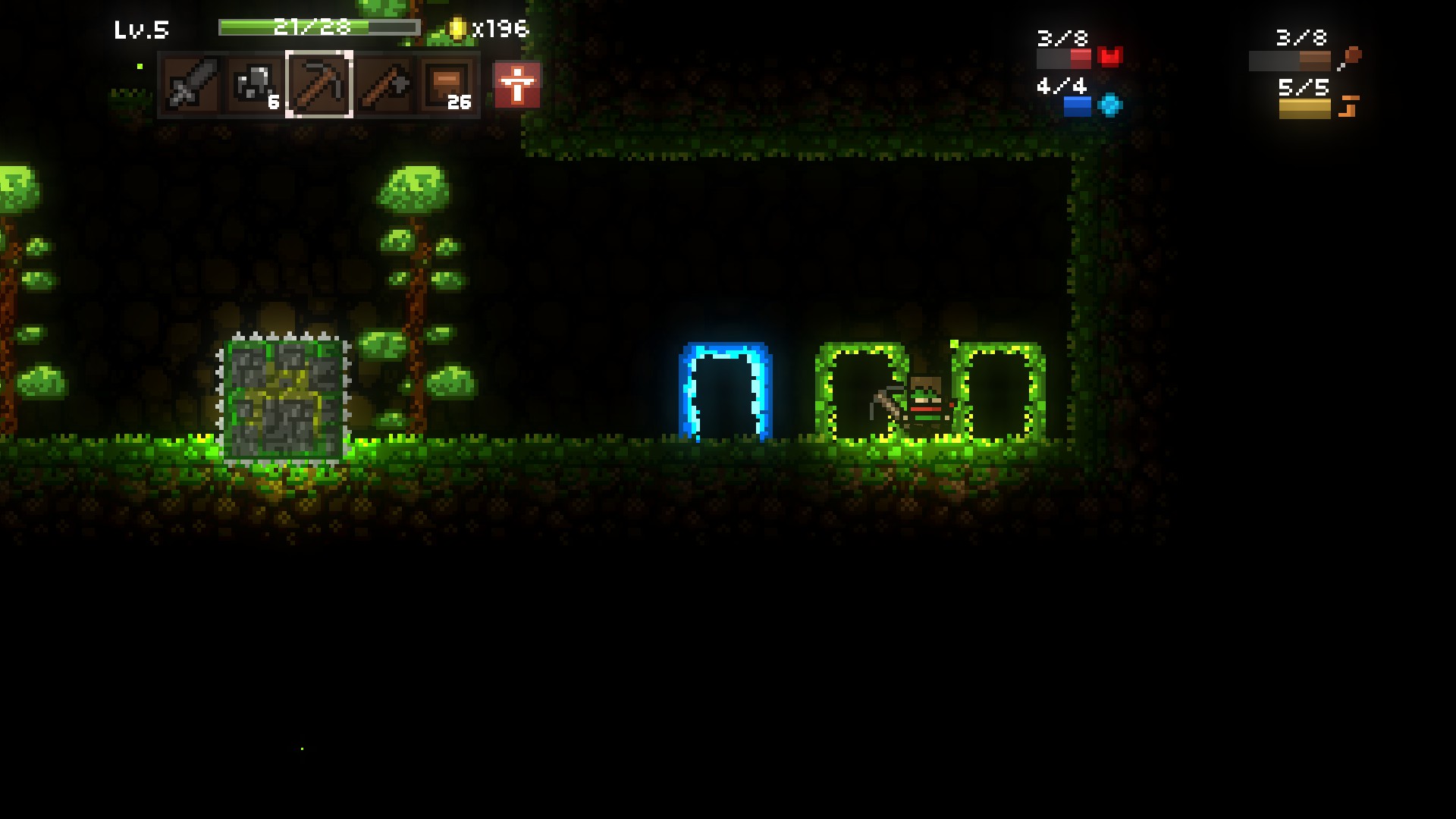
Magicite (Completed) Review

Sometimes it’s difficult to tell if a crafting game is good or not before you buy it. Ever since the exploding popularity of a certain java-based cube mining game, there has been a splurge of copycat titles desperately trying to ride its coattails of success–whether their game was good or not. Now don’t get me wrong, crafting in video games was a thing long before Minecraft came to the scene–but Minecraft’s viral acclaim created a heavy hand that guided how many of us viewed the nature of crafting in games. After many poor imitations, eventually Terraria would enter the scene, being a strong enough game to stand on its own alongside a world where Minecraft existed–and for several years following its release, the game-designing industry had yet another crafting title that they could mimic, much to the disappointment of many gamers who would go on to purchase these equally cheap knockoffs. Now, it’s not fair to say that Minecraft and Terraria have exclusive rights to 3-D and 2-D crafting games exclusively. After all, certain things about each game naturally lend themselves to logical conclusions that result from the design of a realistic way to obtain the most basic of crafting materials–wood and stone. To say that any other game that has you gathering both these resources is a knockoff of Minecraft or Terraria would be untrue. The problem lies in the simple question of game design: “Are you gathering wood and stones because that is the most logical and satisfying method that the designers structured their game around, or are you gathering wood and stones because that’s the way Minecraft and Terraria did it?” Thus the trial today, is finding a way to sort out the good from the bad–the wheat from the chaff–in a genre where so much refuse is readily available. Magicite, mercifully, genially, is actually good.


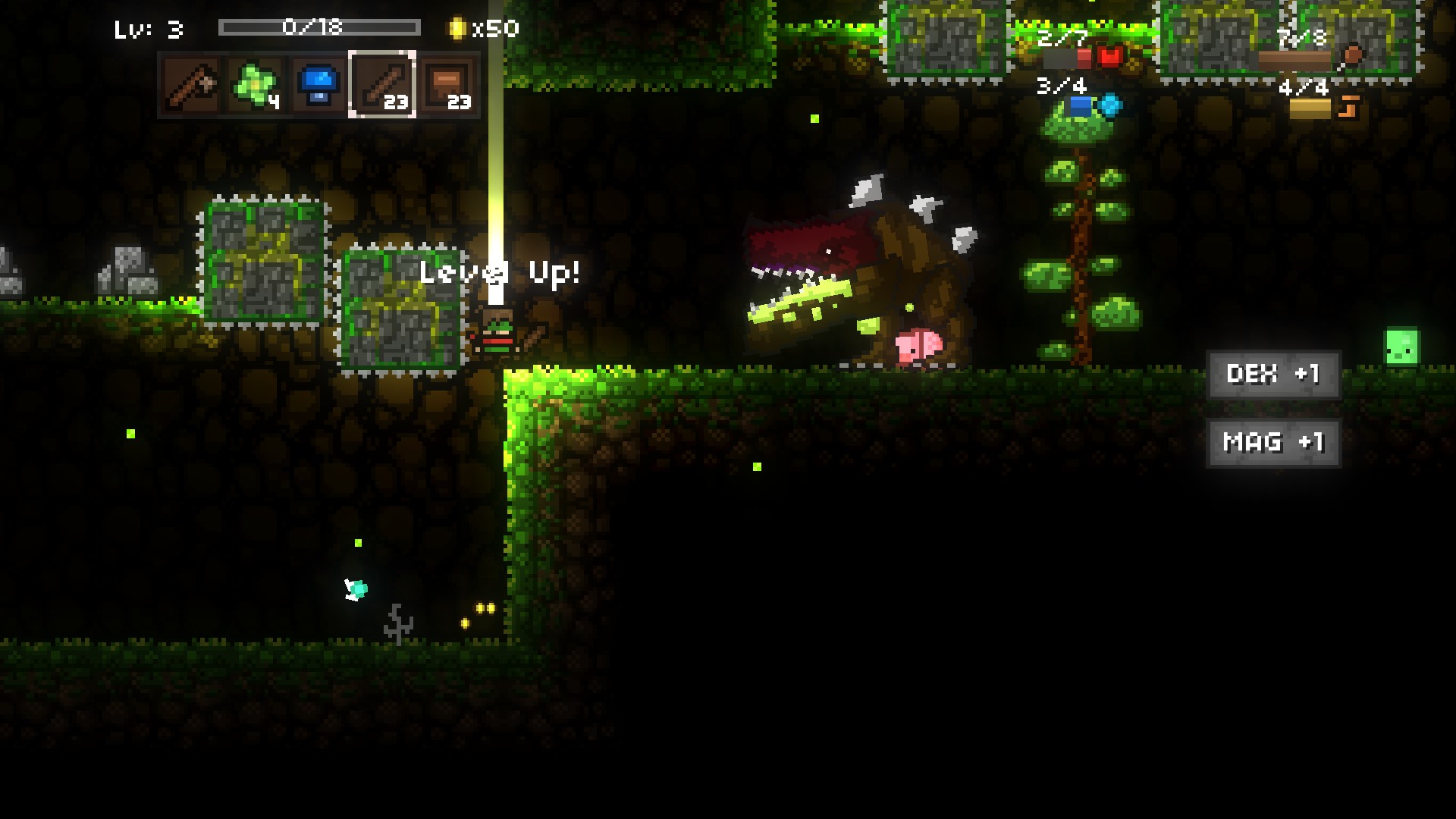
To say that this game is unlike Terraria, would be false. You have an axe. You cut down trees to make more axes. You craft a sword. You kill things and hit rocks with pickaxes to get better swords. This is where many of the similarities depart however, as Magicite is actually a scored roguelike, whereupon all your actions are graded and rewarded at the inevitable end of your life, accordingly. The game is incredibly easy to learn but rewards increased player skill. My first life lasted 17 seconds. I got trampled by a boar. Now I can make it about 10 minutes in, which doesn’t sound like a lot, but makes me feel like a damn hero. Even though the game is difficult, it’s the good kind of difficult. Each time you die you understand that it was a consequence of your own actions. It’s easy to understand why you died, and what you could have probably done to avoid it. With each death, you can dive right back in better prepared–not because your character is a higher level, but because you as a player are wiser to the world that you encounter.


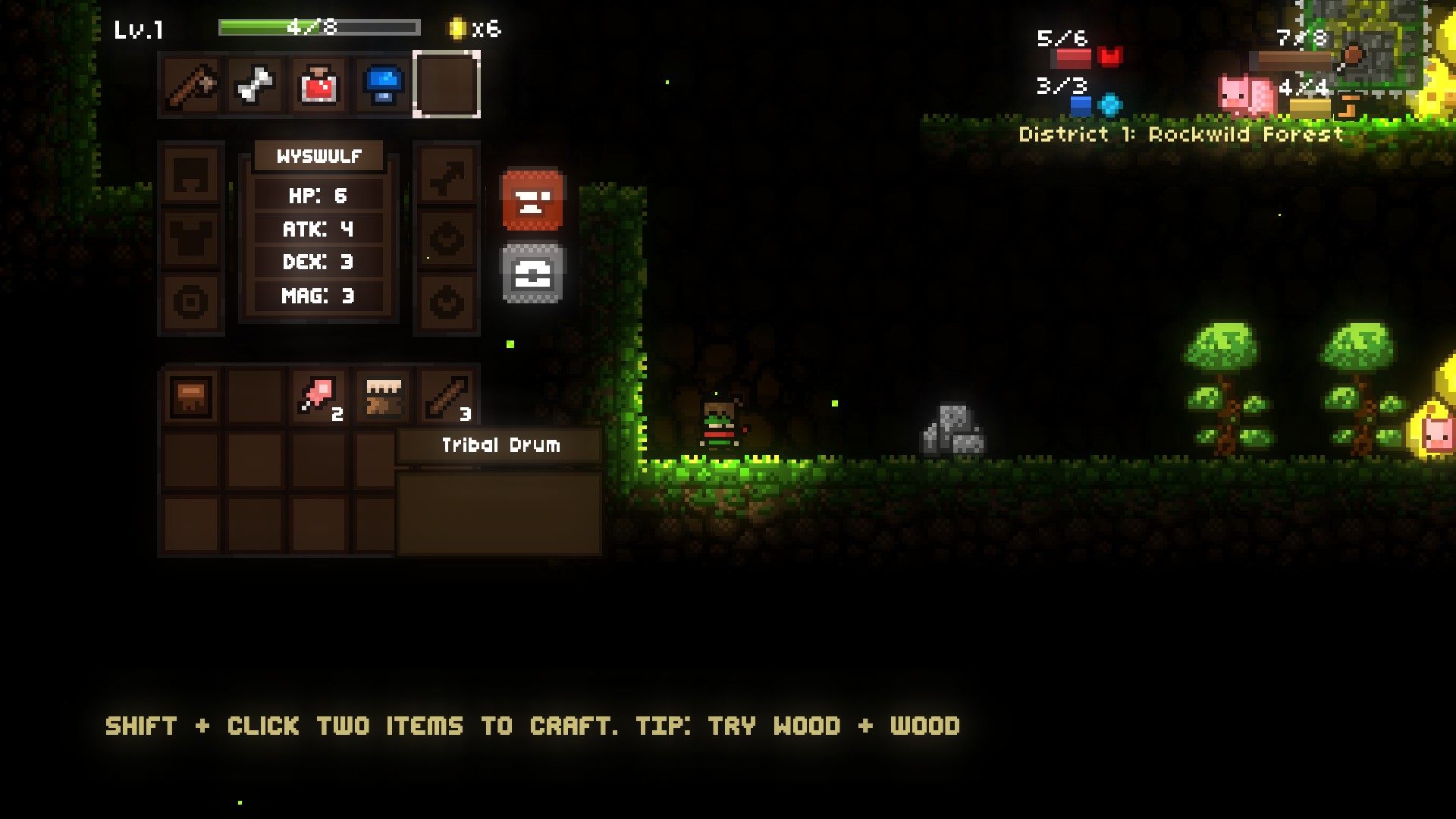
In spite of being a roguelike, crafting is a staple of the gameplay–and much to my awe, Magicite handles crafting in a manner that is sweet and simple like Terraria while still remaining distinct. Simply by mushing two items together, you can check to see if they create a new item. It sounds too simple at first, but it works really well–it makes crafting quick (which you’ll want since every time you die you’ll need to re-craft all your items) but contains enough possibilities that the excitement of discovering a new recipe is always around the corner. I still have no idea what a “Tribal Drum” does, but my curiosity compels me even now to find out. I suppose I could just look up the recipes, but I haven’t felt a need to yet; I feel it would ruin my fun.


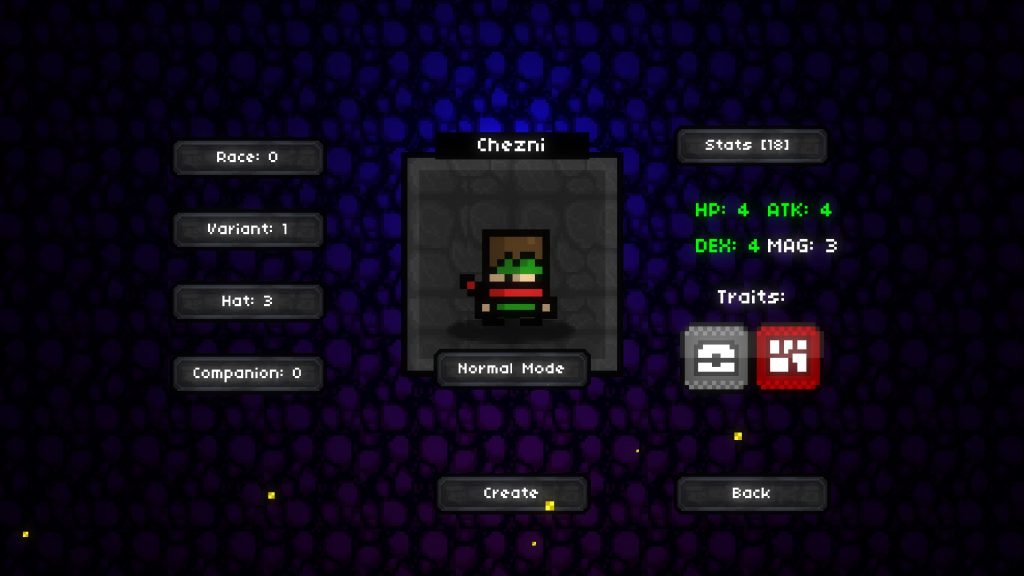
So far the mechanics have been as simple as just swinging a stick or a sword or if I’m lucky shooting a bow, but there’s enough customization to allow different approaches to your adventure. For starters, your core 4 stats are randomized and can be pushed into your favor if you’re willing to reroll them a few times. You also start off with the ability to choose 2 traits–they aren’t profound, but can give you an edge in one area or another. Later on as you level up, you can choose one of three skill paths to travel down–and if you are deemed to be worthy by the achievement gods, you might just get a piece of equipment, a race or companion after you die that you can take with you the next time you set out. All these simple customization options create enough of a choice that it’s fun to tailor your character to your wishes but they aren’t so complicated that they drag you down.


I look forward to getting deeper into the world of Magicite. So far, the farthest I’ve managed to get is a town with NPCs willing to trade with me. I should have taken a leaf out of Link’s book though and left the chickens alone. Killing a few of the town fowl summoned a Giant chicken that ended my day. Regrettably I wasn’t able to quite get a screenshot of that one. Oh well; your imagination may suit you better than a picture would. All in all, Magicite goes in Tier 1 resolutely; it’s a great pickup for those who love quick character creation, crafting, side-scrolling and roguelikes.

Steam Link

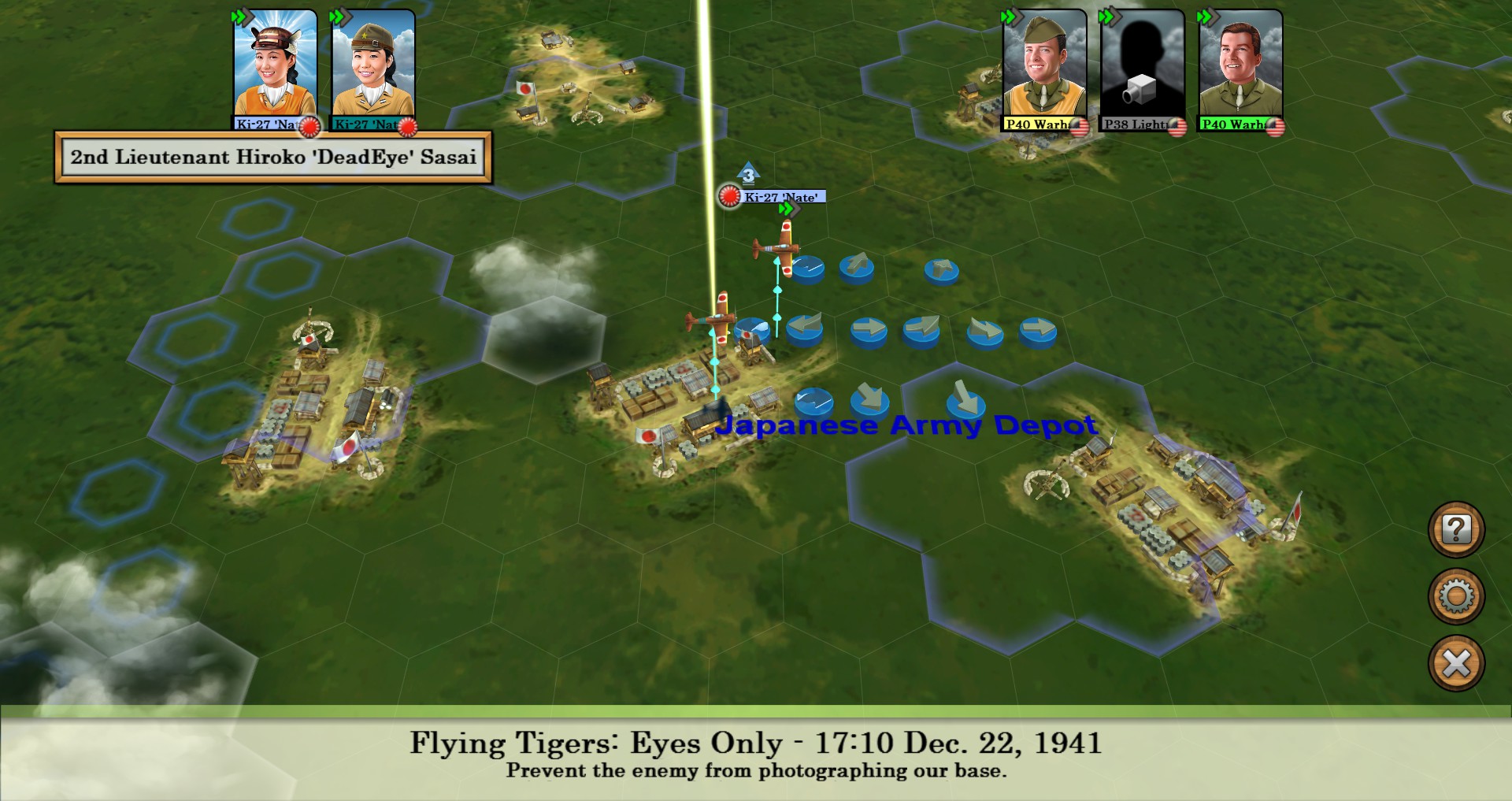
Sid Meier’s Ace Patrol: Pacific Skies


Nope. Noope. Nooooope.

I’ve played this game already. I’ve written this review already.

Please see: Sid Meier’s Ace Patrol (the original)

Seriously. It’s the same game.

It’s just as bad.

… Why are you still here? You desire something more convincing?


You still fly planes around by clicking blue arrows until you get the green arrows that let you do damage to the bad planes.

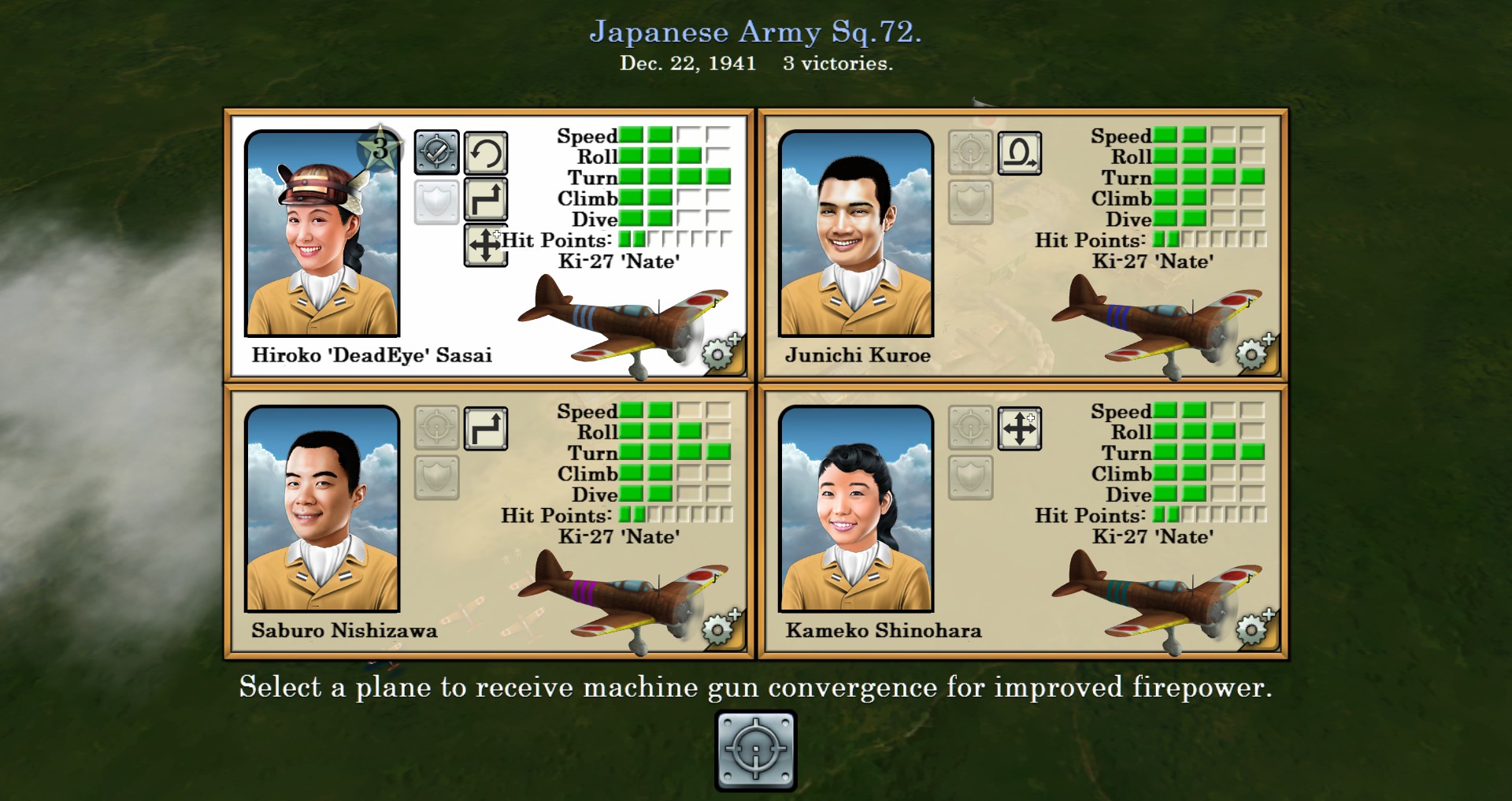
All the pilots still make you want to punch them in the face. Repeatedly.

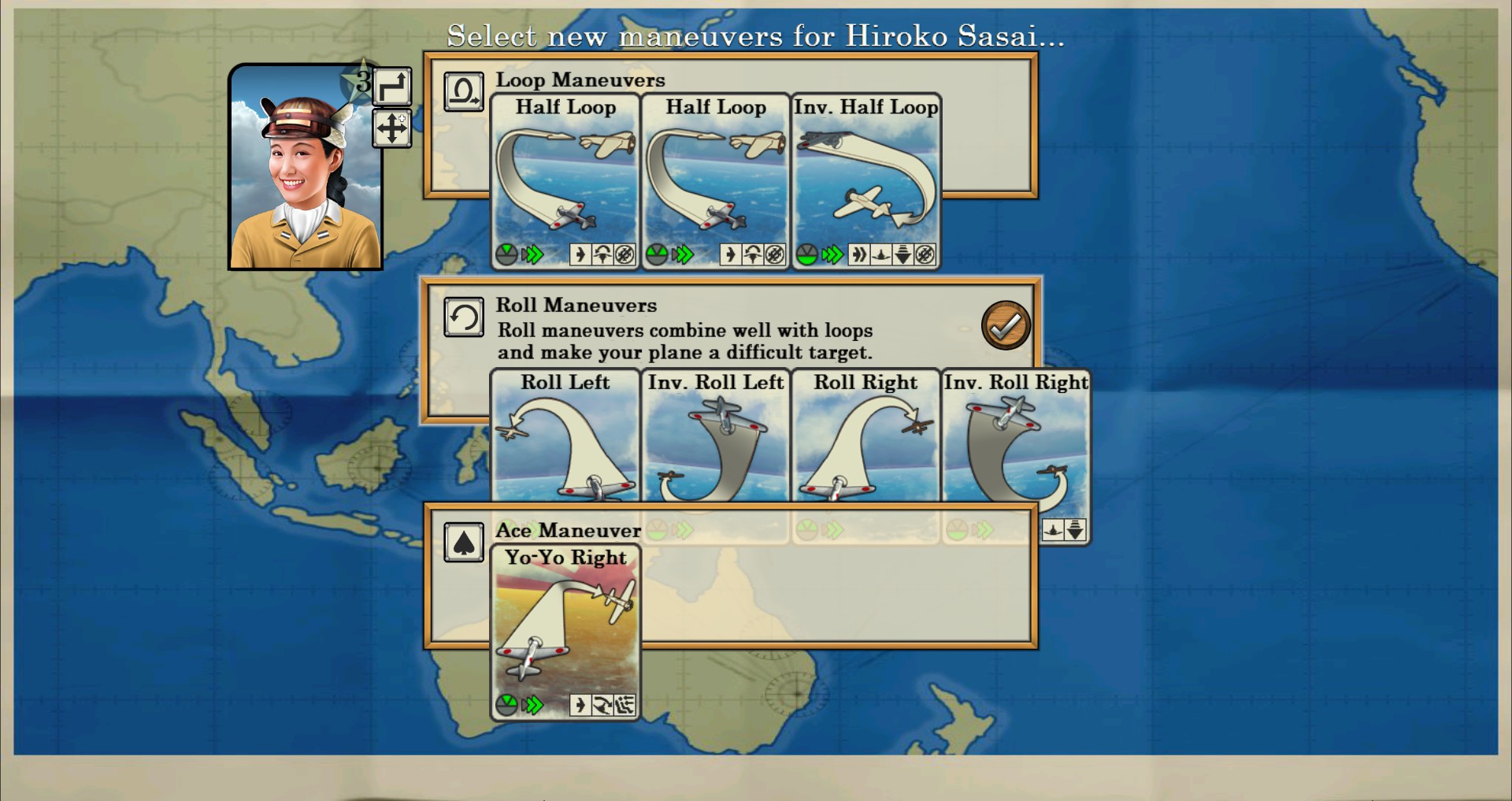
It still doesn’t matter which skills you pick, and you’ll just end up clicking through on random ones.

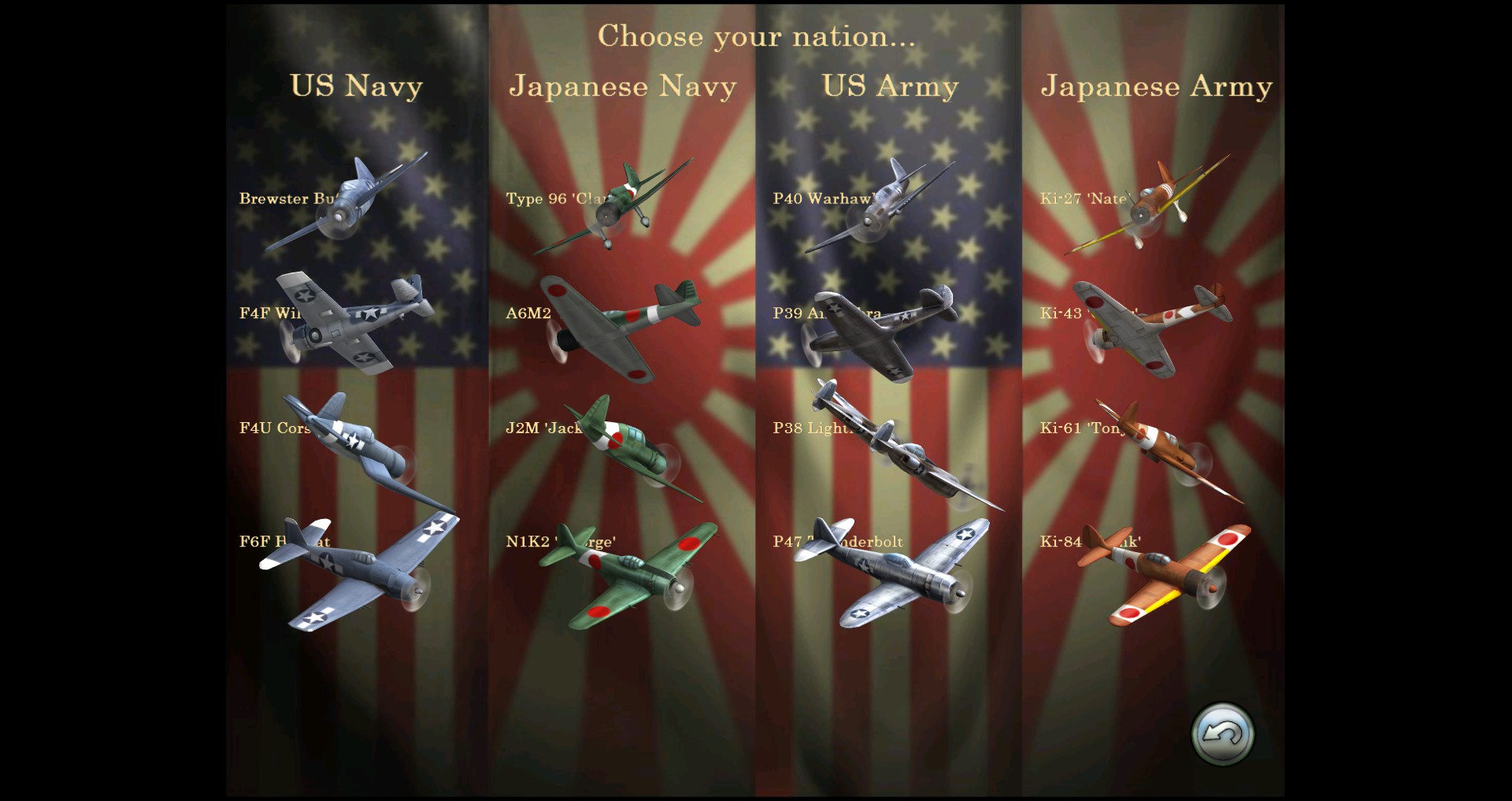
The only thing resembling an improvement is the ability to choose a nation. Don’t be fooled though–there’s only two to choose from. They’re just listed twice with a Navy/Army variant of each.

Tier 3 all the way.

Steam Link

Might & Magic: Clash of Heroes


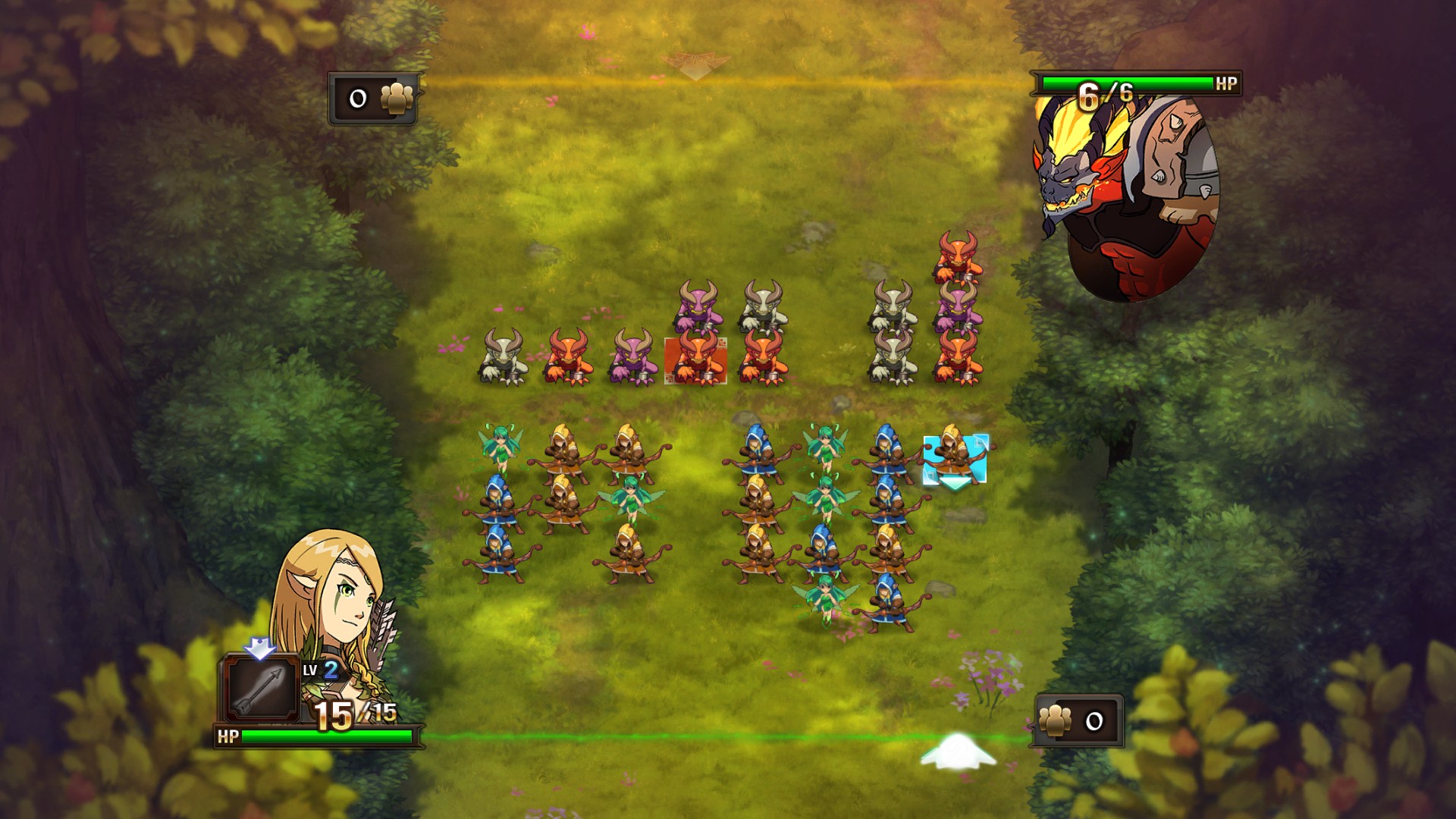
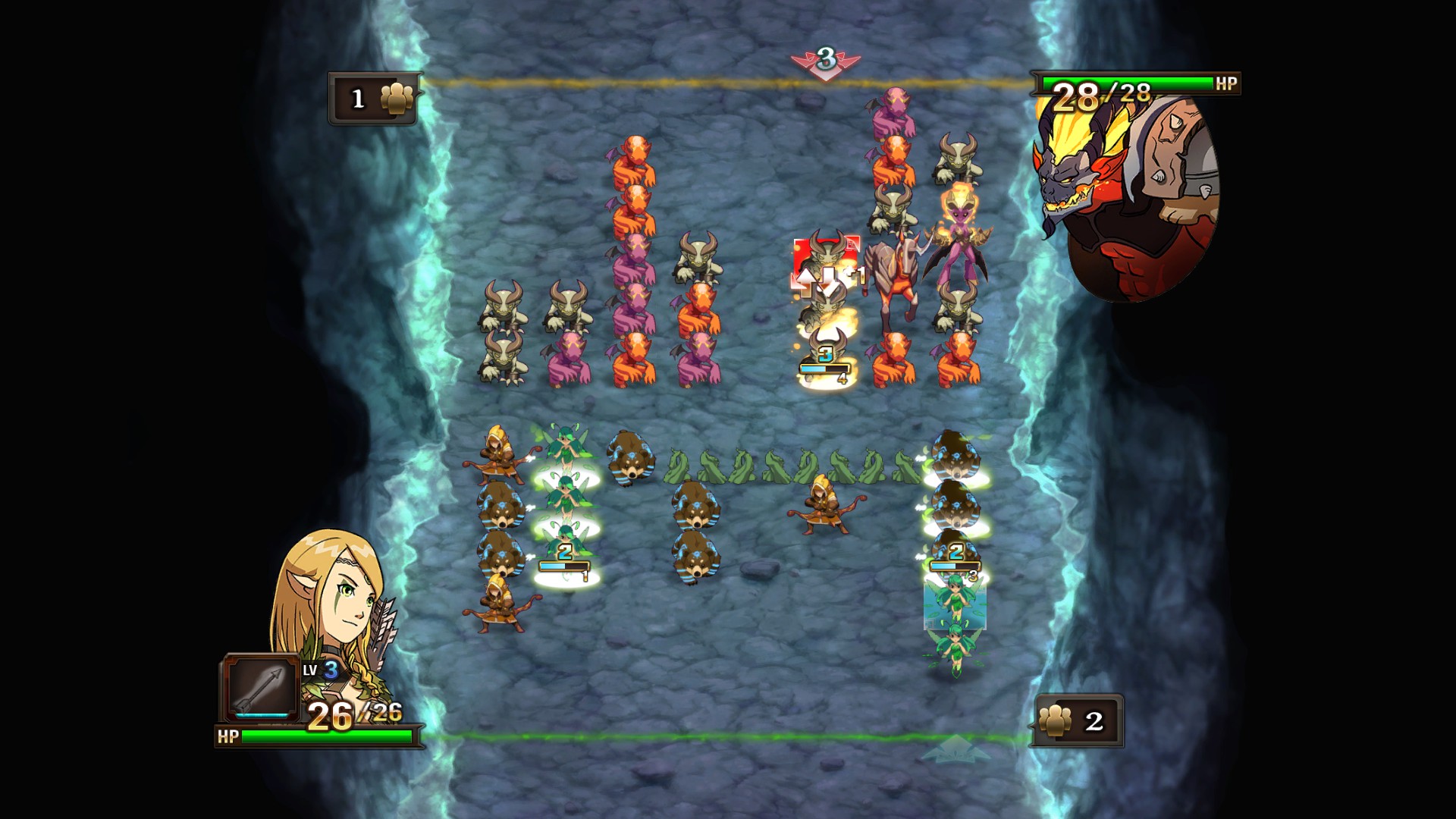
MM:CoH is puzzling… in more ways than one. On the one hand, it is strategy-based game involving mythical creatures, magical beings and so on–par for the course for the MM series. On the other hand… it is also literally a puzzle game, which leaves me sitting here bewilderingly playing a goofy “match 3 colors” game from a franchise that under normal circumstances, I tend to respect as being one of the anchors in PC fantasy gaming history. At a first glance, there is something extremely appealing about this game. I’m not sure if it’s the design, the neatly organized and brightly colored units, or polished UI, but I feel that a gamer would just be naturally compelled to see what this game is all about. That being said, something about this game is… wrong. Terribly wrong. It’s difficult to explain, so let’s take it piece-by-piece.

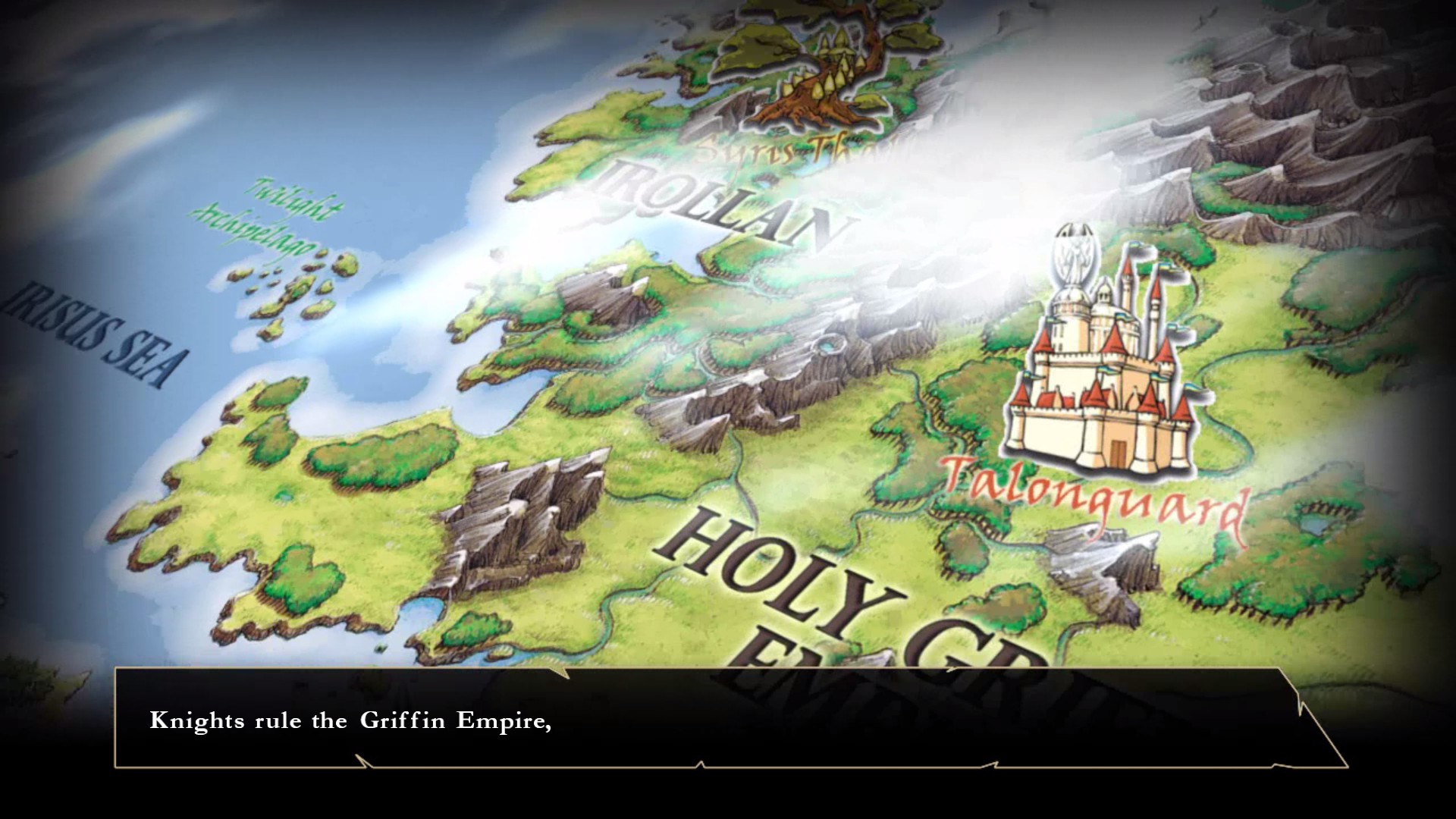
For starters, the game’s story sucks. It’s basically along the lines of “something-something, big magical world, something-something, giant kingdoms, something–oh yeah, and then demons attack.” It’s lazy, cliche and even without playing more than an hour of the game, I already know what kind of plot I’m in store for: bland and generic heroes fight off demons and win. Riveting. To be fair though, it’s got the same plot as almost every single Fire Emblem game and those games are pretty good–admittedly for numerous reasons outside their plot though. Even so, my biggest problem  when a game opens up like this is that I’m always screaming in my head at the lethargic narrator, describing these supposedly mighty kingdoms, “Why should I care? What does it mean to me? For all I know, these kingdoms deserve to get overrun by demons!” Narrations like this anger me, because the presupposition is that the player will immediately identify the kingdoms as valuable, simply because they are mighty. It presupposes that the player wants these nations to survive, simply because they contain magical creatures and races that are generically appealing to the conformist norms of a fantasy universe. It presupposes that things are simply black and white; that good will always be good and deserve to kill, plunder and pillage as much as they want, as long as it is in the name of their people group. It’s aggravating.

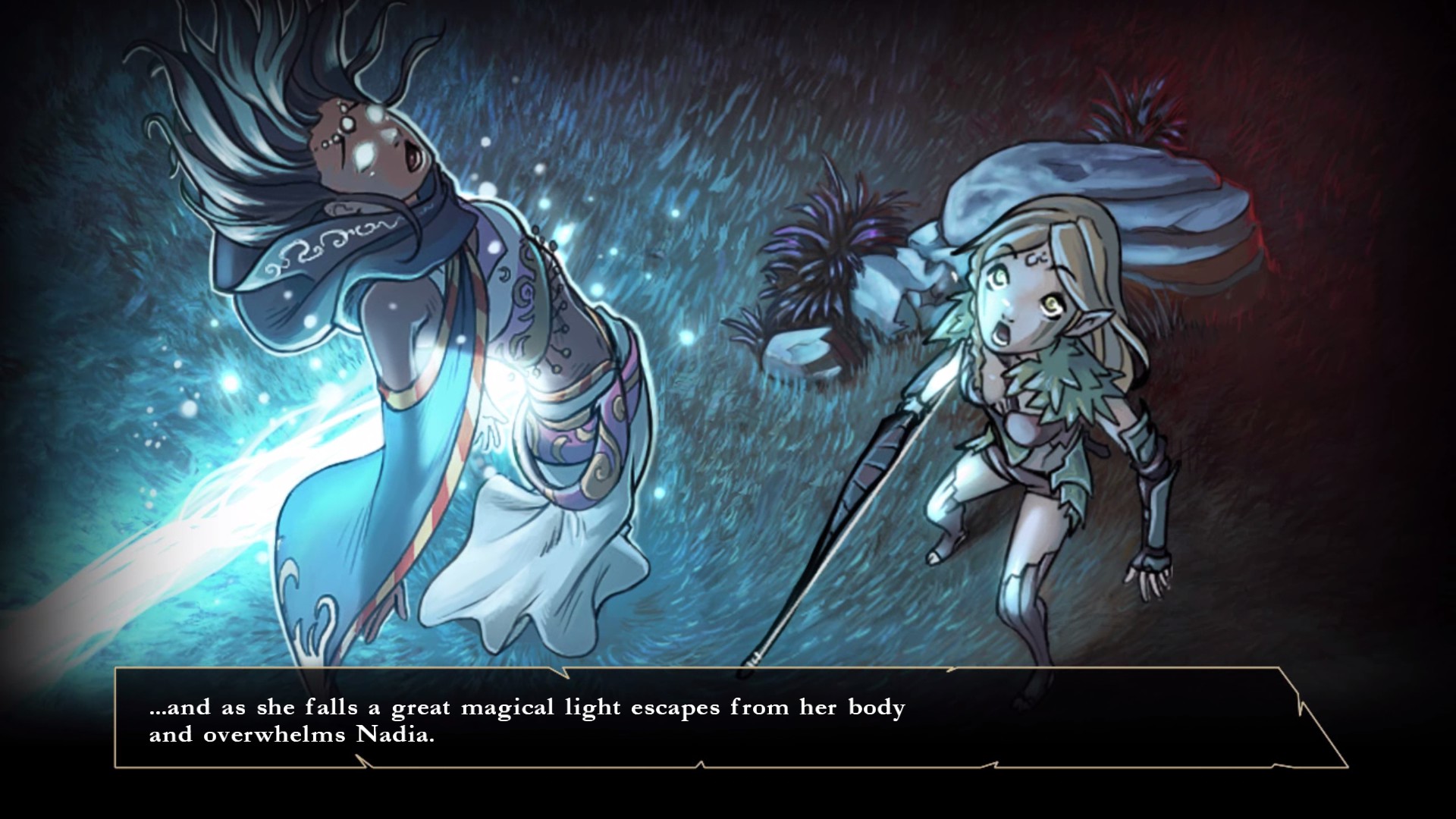
The plot boringly moves along this route and we are exposed to several young heroes whose families are attacked an murdered by demons. It’s not really exciting in the slightest, and just feels like it drags. The characters are generic and lack any kind of personality beyond the shallow stereotypes that they’ve been built around. You take control of a young elf girl and manage her escape and later investigation into the matters of why demons have attacked. I get the feeling that eventually you would get to choose to play as the other heroes and control their race’s units, but even that carrot wasn’t enough to motivate my progression through the game.

However, sometimes plot and setting are merely a vehicle to transport the player to a very fun game–some of the best games out there have crappy stories. I’m not sure  if I can say that this is the case with CoH. The game has a lot of little pieces for you to learn, which is a good part of any healthy game. Combat consists of building armies through units that are available to you, and each unit is noticeably distinct from one another. There’s a lot of little twists and techniques you can use in combat to sway the tide of battle to your favor–you can synchronize your units by “Linking” them, build walls to play defensively, and plan out your moves in a chess-like manner. The problem is, that even though the rules are decent and possess enough strategic options for the player that they feel like they can make a difference in the battle’s outcome, it’s still just a match 3 game. The concept just feels childish in a world that I’m supposed to take (I assume) seriously. Battles have a lot going on in them, but they feel sluggish. It’s impossible to know what an enemy unit does until you meet it, so new units sort of broad-side you until you figure them out. Inherently from a gaming perspective this is not bad, but it is in this kind of game. Because the game plays out in a chess-like manner, it would be akin to your opponent pulling out random made-up pieces in the middle of a chess match and then not telling you what they do. Additionally, the tutorial of the game drags on and on, and is an annoying series of pop-up windows that is about as exciting as reading a pictureless instruction manual.

The best part of the game by far is the art. For the most part, it is clean, bright and very appealing. All of the army units have a slew of animations that are smooth and fun to watch. One that made me laugh was the skeletons–when they attack, they pull off their head and use it as a bludgeoning weapon as they charge. Character portraits have a range of stances and emotions, and they look smooth and appealing. Don’t get me wrong–they aren’t hyper-realistic or ultra-detailed, but they don’t have to be. They’re fun to look at and watch move around.


Ultimately though, I can’t personally support the game. It is clear that time and effort were put into the game’s visuals, and even though it is a low-octane puzzle game, the designers did add as many rules as they could to spice up gameplay to the best of their abilities. In the end though, I’m still just matching 3 colors together in a manner that feels off. At times the game feels like a Flash game on Kongregate–or at worst a micro-transaction army-based game on the Android Market. In my mind, it teeters on the edge of T3 and T2, but I do think that this would be a great game for casual gamers looking for a lot of time to waste, and so I submit that this game belongs to Tier 2. For me though, I desire something a bit more challenging.

Steam Link


Sonic CD (Completed)

When I was little, it took a few weeks of effort to finally crush Sonic CD into the dust. Robotnik defeated, Amy Rose saved, Metal Sonic destroyed–it was a moment of triumph. Put to the wayside, memories of Sonic CD warped and twisted with countless other Sonic titles, to the point where I began to think that my memories of time traveling and racing Metal Sonic were simply a fabrication I had created. When I happened to see “Sonic CD” available on Steam, it finally clicked. This was the Sonic game, my first Sonic game, that I had played 20 years ago. I hadn’t made it up after all. Today, I loaded it up to see just how much my “adult skill” matched up to my 2nd grade form. What took me weeks as a child took me 70 minutes in my living room with an X-Box controller. It was still fun though.


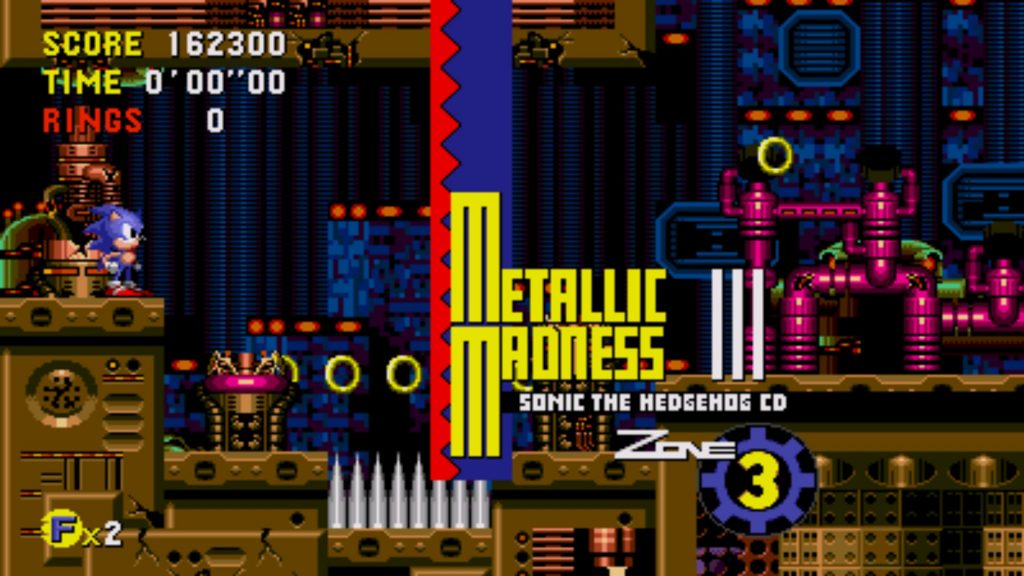
Sonic CD is much like any other game in the series. You run through loops, collect rings, move too fast to know where the heck you are going; the normal stuff. Being no stranger to the 2D Sonic platformers, I think this one is nearer to the top than others. As far as the staple principles of a Sonic platformer, it moves quickly, the levels are relatively interesting and open, and the pace of the game is, well, fast which is good. There are some interesting facets that set it apart though, the biggest of which is time travel. Scattered throughout the levels are signs that point to the future or past. Running by one and picking up enough speed will shoot you through time in the respective direction indicated. This means that each and every level in the game was designed both graphically and mechanically 3 different times, and at many places in the level you can swap between all three (past, present and future). Unfortunately, I’m not sure exactly what my motive for doing so is. Maybe if I was very familiar with the game I would have a preference for which time-period I enjoyed traveling through in a particular level, but because I have no idea what any of the time periods have in store, I just swapped them at random so I could see the different graphics and listen to the changed music.

The music, oddly, is worth mentioning. Sonic has always had pretty decent music, but Sonic CD stands apart in that its music is of a higher quality. Probably having something to do with the fact that it was on a CD and not a cartridge, the music widely ranges from calming to techno to funky. It doesn’t quite have that retro charm that say Sonics 1-3 have, but considering that each of the 3 time periods for each stage have their own music, it’s really interesting to hear how it is remixed to fit the new settings.

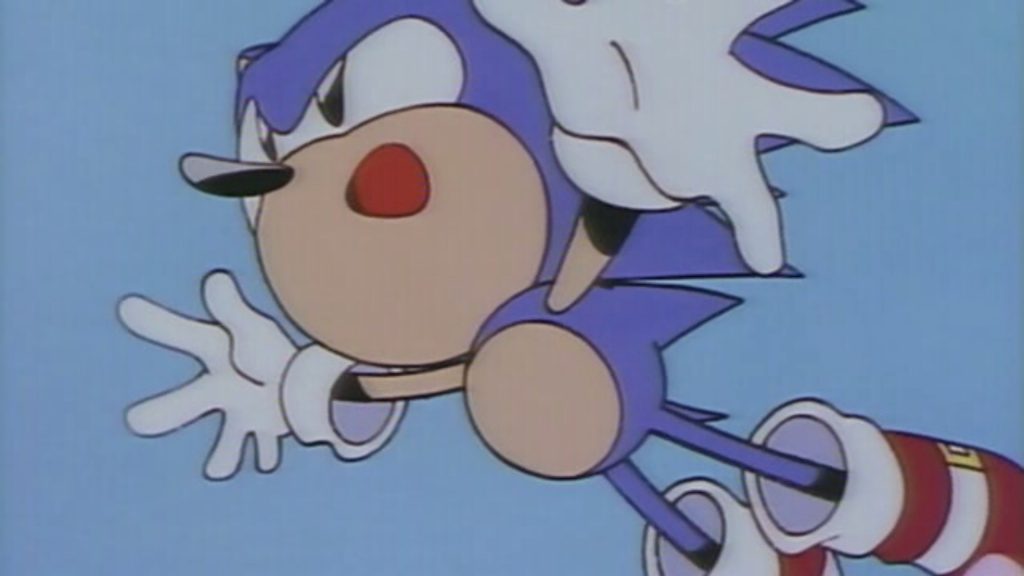
Collectively, Sonic CD is a good game and I would recommend it to any Sonic fan. It doesn’t take too long to beat, and even if the game doesn’t click entirely with you, the music is fun to listen to and there are even some nostalgic 90’s Sonic cartoon animations unique to the game that you get to watch. That being said though, the purpose of the time-traveling is a little confusing, and like most Sonic games, if you want the “good” ending, you have to collect the Chaos Emeralds–something that is equally unclear as to how to achieve. While I may not be particularly motivated to uncover all the game’s secrets, I believe the game has merit and belongs in Tier 2.

Steam Link

Breath of Death VII


Breath of Death VII (Completed) Review

Stuck are we, in a never-ending world in which we are attuned to needing, nay, desiring the next earth-shattering cataclysmic story that we can hop into the hot-seat for and become the heroic fulcrum of universal dependence. We long to be the badass hero, wildly large sword in hand clashing blade-to-blade with our equally met adversary–the cosmos spinning, fluctuating and exploding around us as the whole world watches and points at our every move. We want the innocent, well-endowed child-hood sweetheart to have nothing more than her hero’s arms wrapped tight around her after the colossal apocalypse of all existence is narrowly avoided. In the face of all this–in the face of one grasping gaming company after another, desperately trying to deliver this narrative bigger, better and badder over and over again–I have only one thing to say…

SCREW THAT.


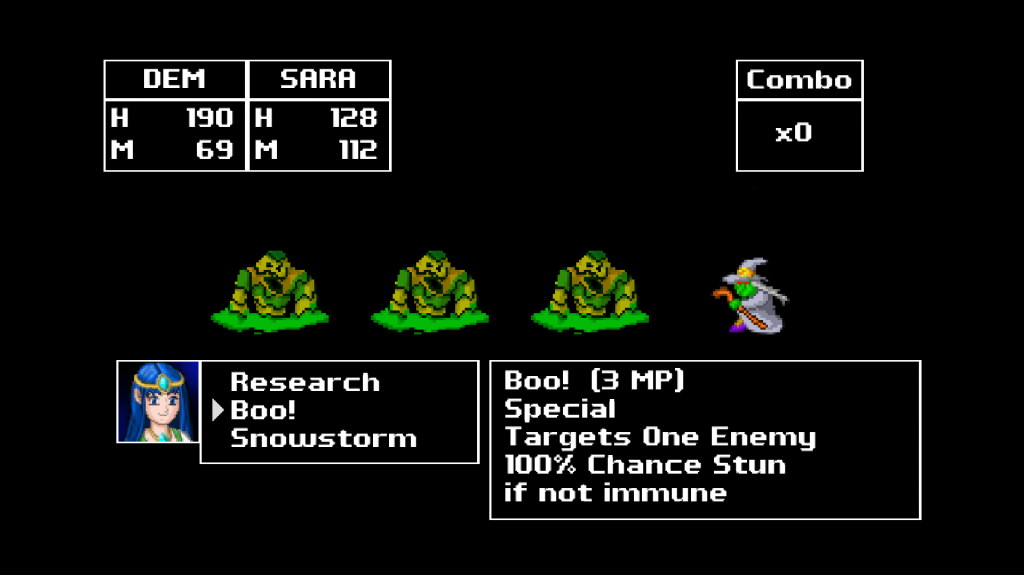
Breath of Death VII is an amazing game, and it has nothing in common with what so many mainstream RPGs have become today.

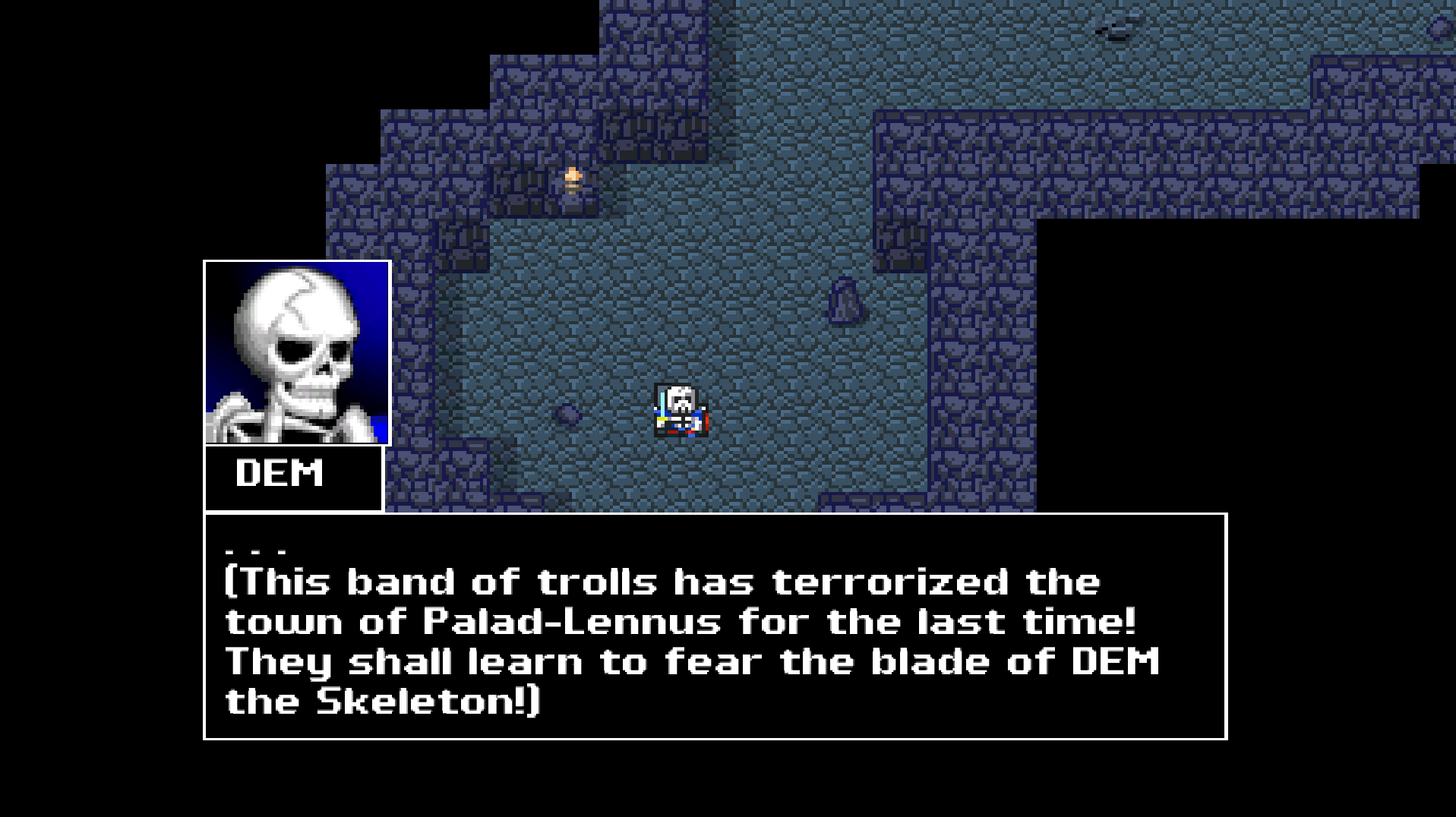
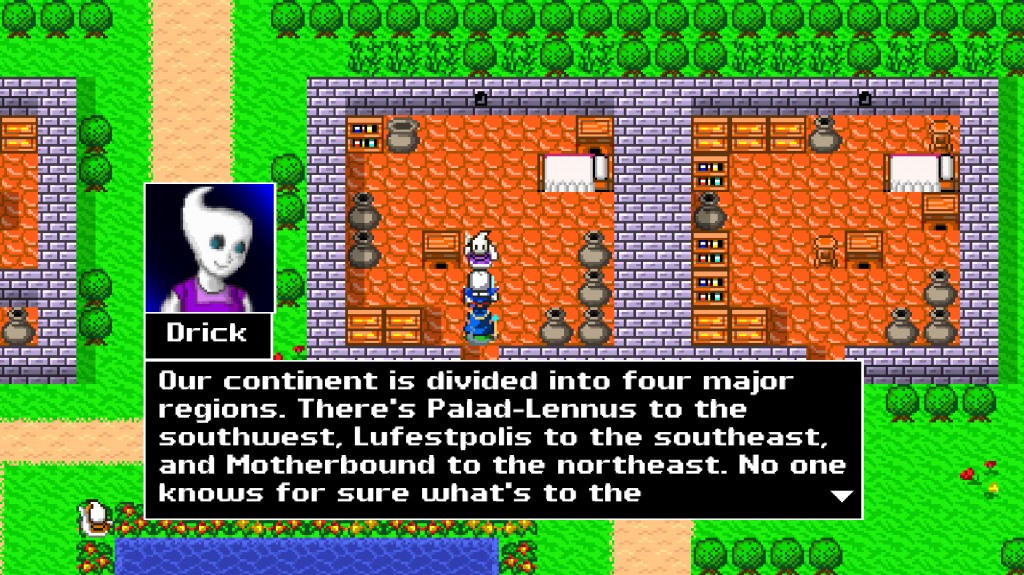
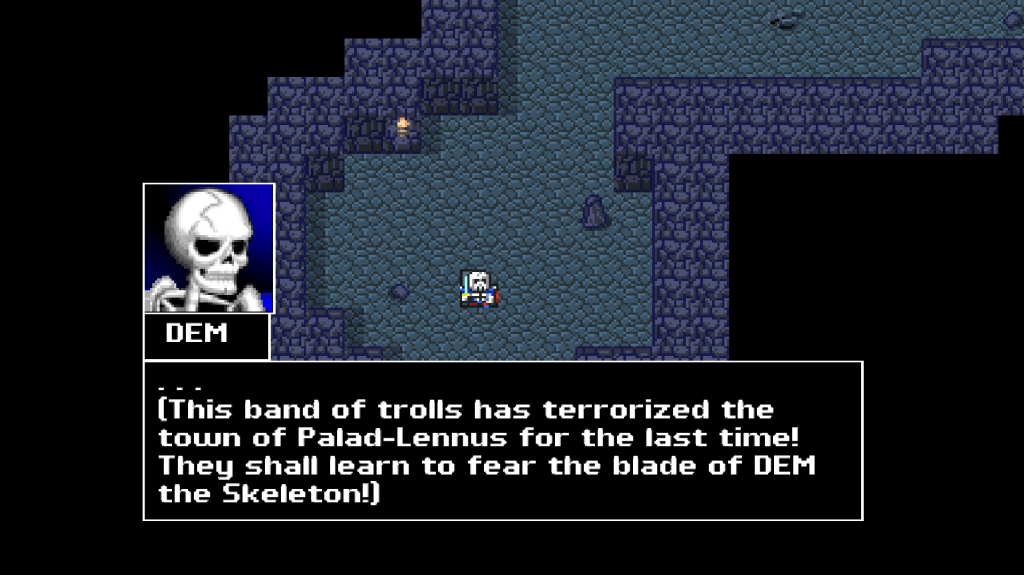
BoDVII is a tongue-in-cheek parody of RPGs from the NES/SNES era. It features numerous throwbacks to old game concepts, references to many older RPGs and overall captures a whimsical parallel of what it was like to play console games back in the 90’s. Play just a little while and you’ll immediately start picking up the connections. The world was blown up in the year 20XX, a reference to Megaman. The first town in the game has the same layout as the first town in Dragon Warrior–right down to the locked doors requiring the special keys sold in Rimuldar. The game’s world is even divided into sections named after a combination of iconic RPGs’ American and Japanes names. Motherbound references Earthbound/Mother, Lufestopolis references Lufia/Estopolis and very close to the heart of your dear old author Chezni, Palad-Lennus is a reference to Paladin’s Quest/Lennus.

That being said though, let me be clear–this game is not simply a wank-fest that kids from the 90’s can brainlessly herald claiming things like, “This game hearkens back to a time when video games were good,” or “Get off my gaming lawn you casuals, back in my day our games meant something.” BoDVII is actually a lot of fun, even in the modern day era of gaming. It throws just enough of what 90’s RGPs were to put a good taste in your mouth, but knows when to cut back into the modern day of convenience before the taste grows dull or sour.

For instance–random battles are plentiful and filled with a variety of sprite-based enemies; this is a necessary feature of a game referencing 90’s RPGs. But lets be real here, eventually old RPGs at some point became an exercise of running around aimlessly, grinding through battle after battle against enemies that were far weaker than you, all the while you hoped to pick up on the next plot point so you could move on with the story. BoDVII avoids this with a simple mechanic. After a certain number of battles are won in each area, the game simply ceases random battles altogether, instead offering you the option to seek combat in the menu, should you wish to fill up your EXP further. Traditional to old tile-based RPGs, you move relatively slowly, one tile at a time. BoDVII mercifully gives you a run button that makes the party book it at quite a fast pace. Most of the time in NES/SNES RPGs, you didn’t have much control over the way a character leveled up–they just filled up their EXP meter and got a set type of stats for it. While this created simplicity and straight-forwardness, sometimes it left you wishing you could tailor your characters a bit more. BoDVII keeps things simple, yet customizable–after every level, you get a choice between two bonuses (two sets of stat boosts or two skills) that can greatly alter the way your characters fight over the course of the game as all the decisions add up. It’s not a complicated skill tree, so it doesn’t take more than 30 seconds to make the choice, but it gives enough customization that you feel like you own the characters.

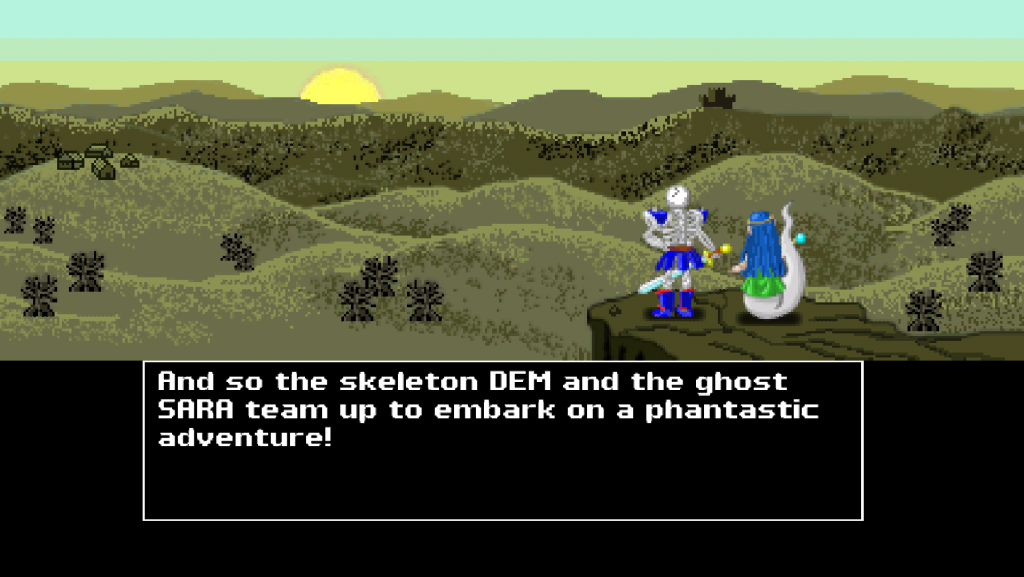
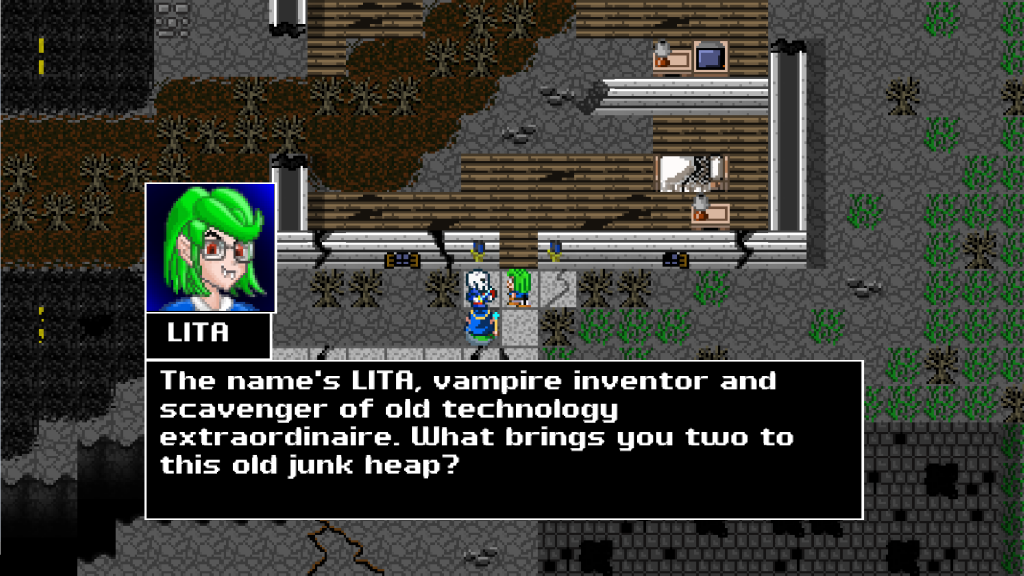
These modern-day conveniences mixed with old-school style creates a really fun game–and I haven’t even touched on the story or characters yet. For the sake of limiting my rant-ability, let me just sum it up like this: characters can be awesome without super HD 40,000 polygonal models, angsty backstories and constant character-built-in drama. The main character of BoDVII is a skeleton. His name is DEM. He can’t talk, because he’s a skeleton. He’s funny, because we can hear his thoughts, but no one else can. He considers himself a hero. I like DEM. It’s that simple, and it doesn’t have to be more complicated than that. Your second party member is Sara. She’s an energetic mage who can read DEM’s thoughts. She often “translates” for DEM, completely changing what DEM is thinking in his head when she relays it to other people. She’s a ghost. That’s awesome. Lita is a freaking techno-vampire with a pension for sunglasses and shotguns. Do I even need to keep going?

Sometimes a thing can be great, simply because it’s great. It doesn’t need over-complicated drama. It doesn’t need earth-shattering consequences. It doesn’t need another two damn star-crossed lovers who are perfect in every way and fall in love with each other at the end. Sometimes, a thing can be great because it just is–whether it’s made of polygons or pixels. BoDVII is a reminder of this, in addition to being a great parody. I will definitely be finishing this one and as such it belongs in Tier 1.

Steam Link


A Bird Story (Completed)


Caw Caw. A Bird Story took me by surprise in that… it is literally a story about a bird. To help you understand, consider this: To the Moon (made by the same guy) was much more than just “going to the moon.” It was a rather emotional ride that made the player face the issue of loss–loss of memories, loss of self, loss of a lifelong love–it was heartbreaking, but it created a real feeling in the player that is not really found or explored that much in the gaming genre. In short, the moon ended up being a much deeper symbol that represented something real. Looking once more back to A Bird Story, it’s a bit of a let down that there was no deeper meaning. You can just take the title at face value–there’s nothing deep or profound here.

The entire story of the game is not completely awful (it helps that the game is only about an hour and a half long) and its told entirely without words, which is interesting. A boy, whose parents are never home lives a lonely sad life–his schoolwork is failing, no one plays with him on the playground–it’s a bit depressing. One day after school, he saves a bird from being attacked by an animal (giant badger?) and nurses it back to health. The bird sort of solves all the boy’s problems–he’s popular on the playground because suddenly he’s “the kid with the bird,” the boy isn’t lonely at home, and he’s motivated in his schoolwork by using the bird as the focus of his studies… but nothing really comes from any of this.

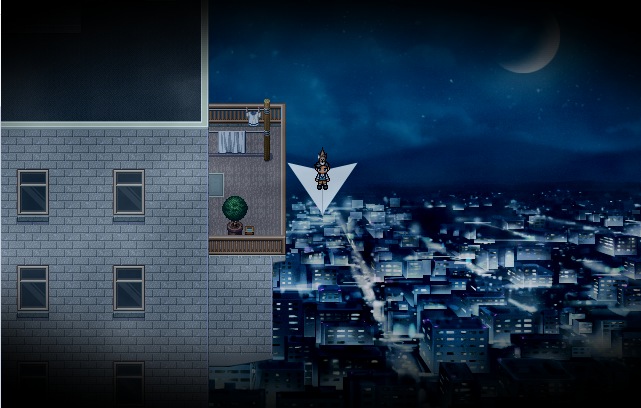
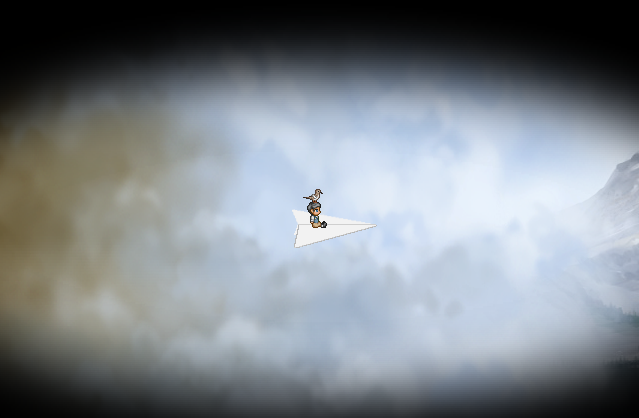
There’s a heavy motif of imagination where you’re not entirely sure if everything you see is real or in the boy’s head. He jumps off a building with an umbrella and floats safely to the ground. He builds a giant paper airplane and sails around the world to floating islands. He’s struck by lightning and crashes. The game never offers the barest hint of an explanation concerning any of these things; you have to make of it what you will through a sheer imagination of your own. I imagined that the bird was a representation of zest for life–a symbol of the boy’s choice to live on in the face of depression in spite of the gloomy circumstances around him. The game deserves non of my theories or explanations though, since it makes no effort on its own to throw any hints or clues to the player.

In a point of strange conflict, a school teacher and veterinarian try to take the bird away from the boy (presumably to nurse it back to health properly) and the boy escapes from them on a giant paper airplane into a storm, where he is struck down by lightning and the bird disappears. Then, with no substantial tension, the bird just reappears. There’s a bit more, but after that the game sort of ends, teasing at the sequel for To the Moon. It’s almost as if the developer was like “Yeah, sorry, I know this kind of had no point… uh, I’ll make the sequel to To The Moon at… some… point.”

In the end, the game had good music, and even though it was kind of a waste of time, it was pleasant enough to not be a total failure, and so I put it in Tier 2. Is it a game? No, not really. It feels more like it should be one of those shorts at the beginning of a Pixar film. You never really play the game; about 80% of the game is just watching sprite-art cutscenes. However, if you’re someone who is very low-key, and just sort of wants to watch a slightly interactive short-story about a boy and his pet, then go for it–in regards to that criteria, even though it’s a bit bland, it’s certainly well done.

Steam Link


StarCrawlers

If you took bits of the Shadowrun universe, combined it with the Privateer setting, then threw in Legend of Grimrock movement, you’d end up with something a lot like StarCrawlers.  Oooh….now I want to go play Legend of Grimrock II again.  My God, I could listen to that theme all day – it stacks up against the likes of Halo (I’m not linking that.  If you don’t know Halo, I can’t help you) and Trine in terms of soundtrack.

If you haven’t played Legend of Grimrock or its sequel, the astonishingly cleverly named Legend of Grimrock II, stop reading.  Go to Steam.  Play both.  Wonder why the sequel is named after Grimrock at all.  Revel in two of the best dungeon crawlers of the last decade and possibly of all time.  Wonder why these puzzles are so hard.  Come to the conclusion that Legend of Grimrock II is one of few “perfect” games anyway (along with FTL) – simple in concept, sublime in its execution, and utter ecstasy to play.  Return.

Oh!  Right.  StarCrawlers.  Yeah, it’s okay.  I mean, it didn’t do itself any favors by making me think of Legend of Grimrock: in a fairly bizarre design decision, you can freely look around a 3D environment, but only move in four directions.  It doesn’t work well, but you definitely need to keep in enabled to see things in corners.  Still, it has a certain charm, and I can appreciate the unique blend of space RPG and dungeon crawl.  You are given a series of missions by the local barkeep that require you to travel (well, be ferried by your partner) to wrecked starliners and retrieve information for megacorporations to earn money and level up.  At least in my playtime, each level had at least a couple unique-but-not-unsolvable puzzles to solve – like finding the name of a cat to use as a computer password or a suspicious arrangement of empty cans for a combination lock.  It’s still in Early Access, but I’m definitely interested in playing more once I have the time – and because of that, it goes to Tier One.

Steam link

Jedi Knight II: Jedi Outcast

Strangely enough, I’ve never played Jedi Outcast even though one of my favorite games growing up was Jedi Academy.  Jedi Academy was one of those games that just felt like a classic game set in the Star Wars universe.  Easter eggs, custom maps, cheat codes, lightsabers…everything.  But for some reason, I never got around to playing Jedi Outcast.  Now that I have, I’m a little disappointed. Everything about Jedi Outcast just reminds me of how Jedi Academy did it better.  The level layouts were cleaner, the mission objectives were clearer, and the interface was more understandable.  Granted, you have to play through about two levels of walkthrough at the beginning of Jedi Academy, but everything after that is just classic, lightsaber-y fun.  In my opinion, Jedi Academy has the exact “feel” of what makes Star Wars games fun – even if it is a bit cliche.  In my hour of Jedi Outcast, I spent most of that time wandering about, trying to figure out where I was supposed to go and what I was supposed to do.  I’m sure the story is good, but all the little nitpicks force this into Tier Three when I could just play Jedi Academy instead.

Steam link

Two Worlds: Epic Edition


Sometimes you can play a game that’s garbage, but it ends up being one of your favorite games that you’ve ever played. Aidyn Chronicles for the N64 has horrible graphics, awkward dialogue,  a confusing interface and awful controls–but I can’t get enough of it. This is because hidden beneath the aforementioned rubbish is a world riddled with secrets, extensive game mechanics, freedom of tactics and a compelling storyline that asks the question “what if the universe forgot to name someone?” It’s these treasures deep beneath the game’s surface that will bring me back to this game again and again, willing to completely overlook the game’s other faults. There are many games out there like this–you probably have a few of these kinds of games in your personal favorites list as well. Two Worlds pretends to be one of these games. Two worlds is pure utter excrement.

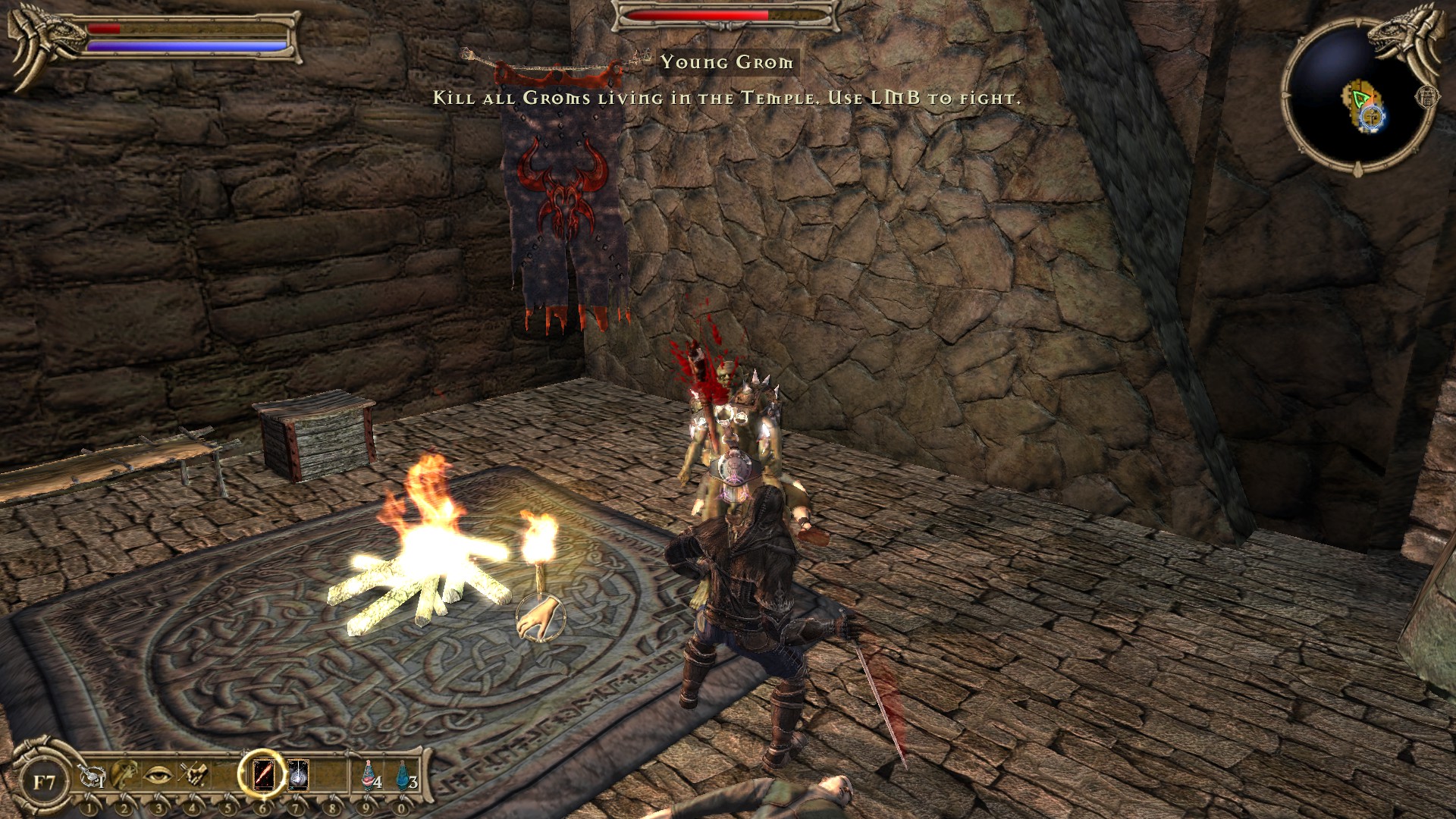
In some ways, I am edging over the line of cheating. When Lepcis and I set out to work out our Steam libraries, we agreed to give most games about an hour–as a general rule. We admitted that some games would need more than that (even in a good RPG you might still be in the tutorial after an hour) and some games deserved far less (see Lepcis’s Plankton Review). The idea was to give the game “a fair shake.” Now, I’ll admit that 5 minutes of a Two Worlds cutscene followed by 5 minutes of Two World’s gameplay is hardly a “fair shake.” I don’t care. I can’t stomach another minute playing the game because I know what’s coming. I’ve played Two Worlds II–a sesspool of a game that I devoted 20 hours to before I finally broke down and admitted that it was a lost-cause-piece-of-garbage that I would pay money to not have to play. It is (if I may coin a phrase) an Antigame. A game that is not just bad–it’s offensively bad. It does the exact opposite of what a game is supposed to do. Instead of providing relief, enjoyment, fun or satisfaction, it creates anger, frustration, a sense of loss and stress. The latter is exactly how I would describe Two Worlds II, and I gave 20 damn hours to that game that I’ll never get back. Two Worlds: Epic Edition is somehow, miraculously worse than its sequel. It’s fascinating. It should be studied if it weren’t for the fact that you would have to actually play the game to do so. The only shred of thankfulness that I can muster from the experience is that because I played the sequel first, it only took me the 10 aforementioned minutes to recognize the all too familiar ruts that the original shared with it.

And frankly, that is where the complexity of my review will end. The game is not worth being clever, creative or funny with. It’s simply not worth anything. In line with this, the rest of the review will simply be a pro’s and cons list–for if I were to truly break down the cons, this review would be several paragraphs long and what little time I’ve devoted to the origin game of this franchise is already far more than it deserves. The Two Words games are well beyond an insult to gamers and move right down into being an insult to the history of human invention itself. Never waste your time with this series.

Pros

  • The world is big.


Cons

  • The graphics are an eyesore.
  • The voice acting is some of the worst I’ve ever heard. The game is full of it. 50% of the game is listening to people talk.
  • Melee combat consists of you hitting one button.
  • Hit detection is atrocious, requiring repetitive swinging, sacrificing a goat to Juniper and sleeping with the game producer in order to get any of your attacks to land, even when enemies are standing directly in front of you.
  • There is no substantial reward for exploration, and the world is huge.
  • There are more random pointless NPC sidequests in this game than in a lot of MMORPGS.
  • In spite of clearly being dressed as a Fighter or a Ranger at best, your character is every fantasy class mashed together.
  • Questing involves going from point A to point B over and over and over again.
  • The storyline is absolute trash.
  • The main character is annoying and comments stupidly on the most mundane things.
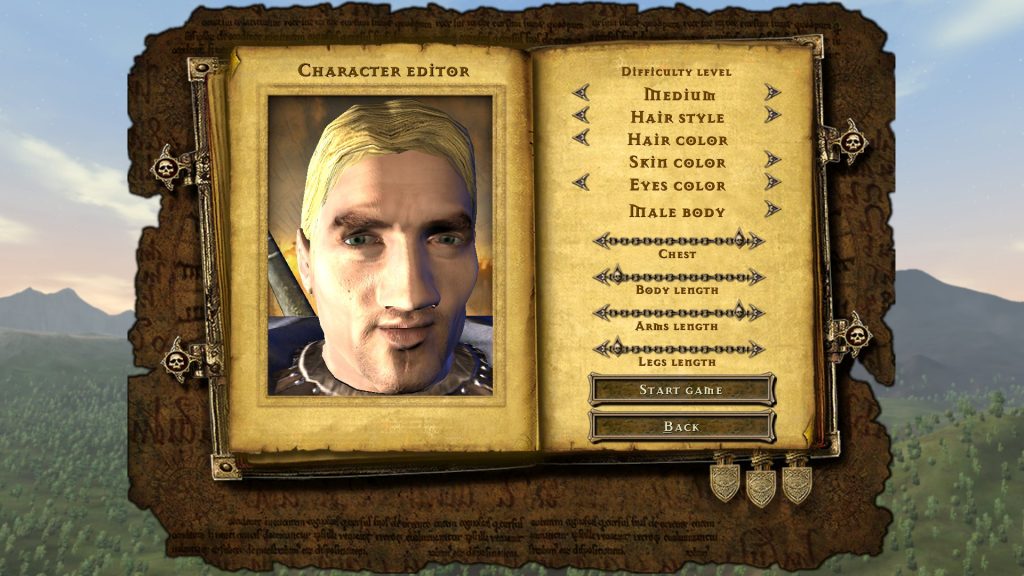
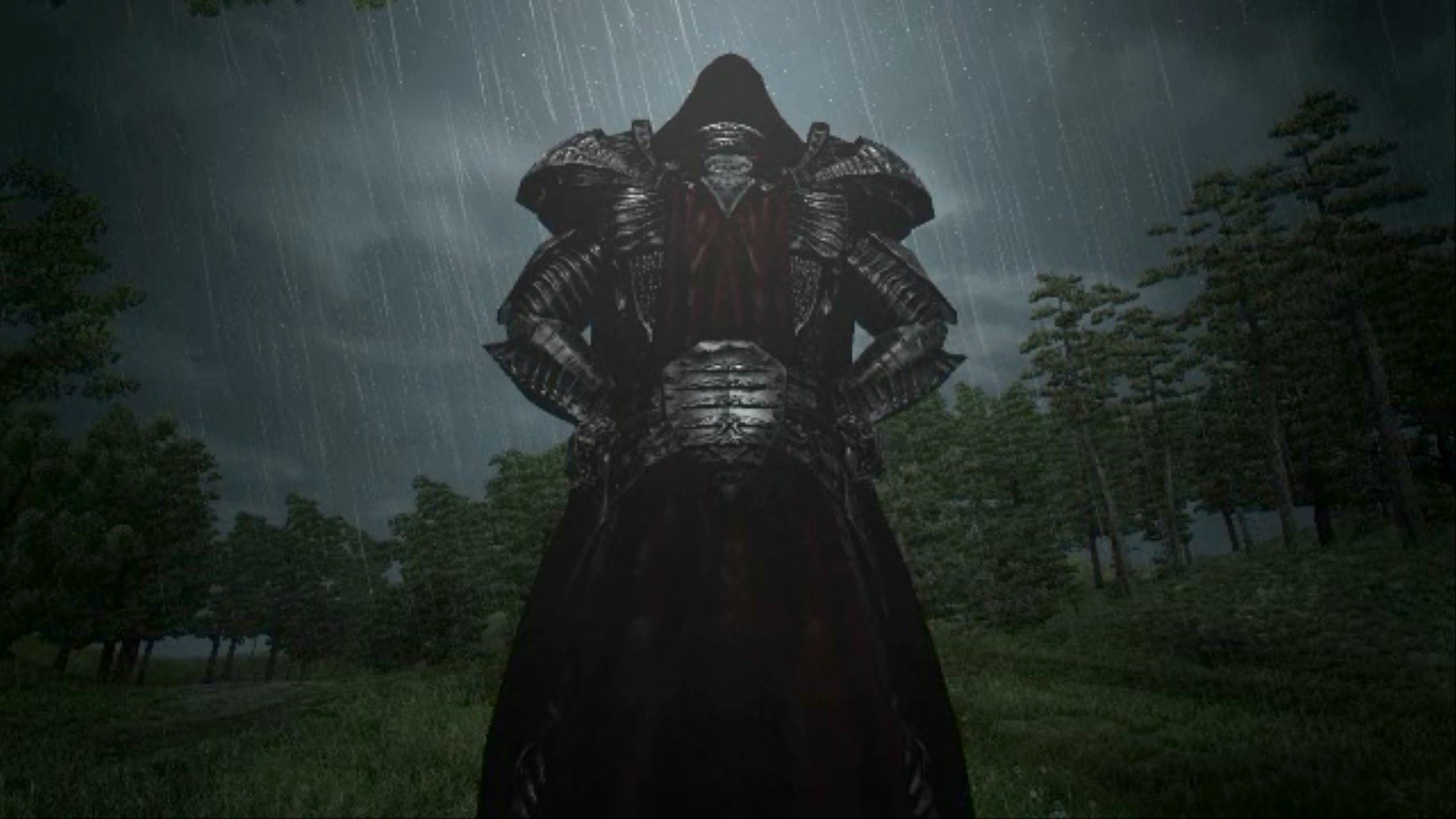
  • The character creator might as well not exist. Non of the sliders change the character in a meaningful way. There are 9 skin tones and all of them are a different shade of white. You will always have facial hair, look rugged and appear as the stereotypical meat-headed crotch-grabbing male-power fantasy hero. What’s even funnier is that it says “Male Body” on one of the creator tabs. You cannot play as a female character. Did they assume their audience was comprised of paint sniffing football hucking pinheads who were in need of a reminder of what gender they were playing as?
  • NPCs in the game only exist to make you do things. There are no developed or important characters in the game. Not even the game’s villain is that meaningful, in spite of the fact that the entire game’s plot revolves around foiling his plans.
  • The game is called “Two Worlds.” There is only one world.
  • There’s more. I’m done though.

Steam Link